
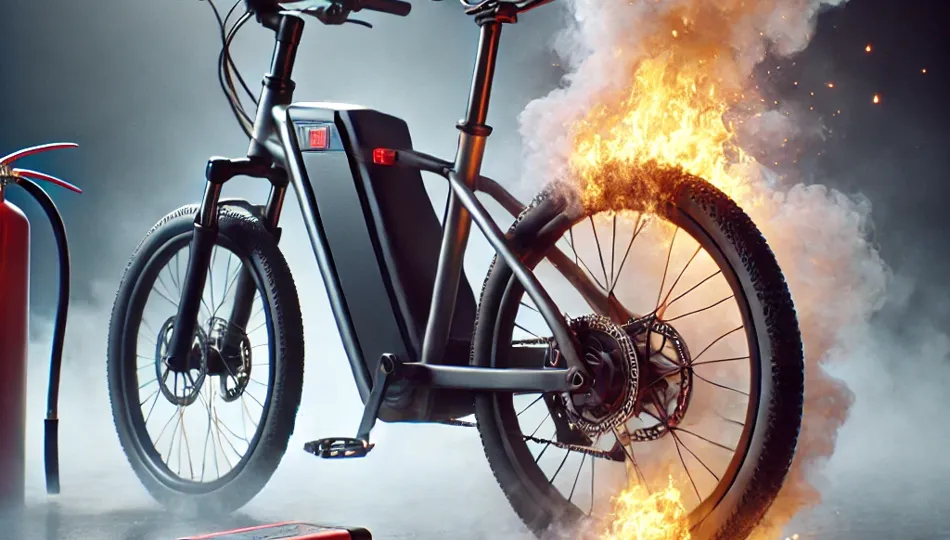
Electric bikes (e-bikes) have become a popular mode of transportation thanks to their convenience, eco-friendliness, and cost efficiency. However, there is growing concern about the safety of e-bike batteries, particularly the risk of fire. So, why do electric bikes catch fire?
The primary reason lies in the lithium-ion batteries that power these bikes. Improper handling, poor quality components, manufacturing defects, or external factors like overcharging can cause these batteries to overheat, leading to fires or explosions. While these incidents are relatively rare, understanding the risks and prevention methods can help you ride safely and with confidence.
This article explores the causes of e-bike fires, the associated risks, and actionable tips to prevent such accidents.
What Causes Electric Bike Fires?
E-bike fires are typically caused by issues with their lithium-ion batteries. Here are the main triggers:
Thermal Runaway
Lithium-ion batteries are susceptible to a phenomenon called thermal runaway. This occurs when the battery overheats, leading to a chain reaction that releases even more heat. If left unchecked, this can result in fire or explosion. Common causes of thermal runaway include:
- Overcharging: Charging beyond the battery’s capacity generates excess heat.
- Physical Damage: Dropping or puncturing the battery can cause internal short circuits.
- Overloading: Drawing too much current, such as riding at full throttle for extended periods, can overheat the battery.
Poor Quality Batteries
Low-quality or counterfeit batteries often lack proper safety mechanisms like temperature control or circuit protection. These inferior products are more likely to fail under normal use, increasing the risk of fires.
Manufacturing Defects
Even high-quality batteries can have manufacturing defects. Poorly assembled cells or improper welding can lead to short circuits, which may cause overheating.
Improper Charging Practices
Incorrect charging habits, such as using incompatible chargers or charging in hot environments, can stress the battery and increase fire risks.
External Damage
External damage to the battery casing or internal components can expose flammable electrolytes, leading to fires. For example, a sharp object puncturing the battery may trigger a short circuit.
Common Scenarios Where E-Bike Fires Occur
E-bike battery fires often happen under specific circumstances. Here are some common scenarios:
- During Charging: Overcharging or using a faulty charger can lead to overheating.
- After Physical Impact: A fall or accident that damages the battery can cause internal shorts.
- In Hot Storage Conditions: Leaving an e-bike or its battery in extreme heat can increase pressure inside the cells, causing them to catch fire.
- Improper Storage: Storing the battery with metal objects, like keys or tools, can cause accidental short circuits.
Safety Risks Associated with E-Bike Battery Fires
When an e-bike battery catches fire, the consequences can be severe. Understanding these risks can underscore the importance of prevention:
- Fast-Spreading Fires: Lithium-ion battery fires spread quickly and are challenging to extinguish with conventional methods.
- Toxic Fumes: Burning batteries release harmful gases like hydrogen fluoride, which can cause respiratory issues.
- Explosions: The buildup of pressure inside the battery cells can lead to explosions.
- Property Damage: E-bike fires often occur indoors while charging, posing a significant risk to homes and garages.
How to Prevent E-Bike Fires
Preventing e-bike fires starts with proper care and maintenance. Here are practical tips to keep your e-bike safe:
Choose High-Quality Batteries and Chargers
- Buy from Reputable Brands: Always purchase batteries and chargers from trusted manufacturers.
- Avoid Counterfeits: Counterfeit products are more likely to lack safety features.
- Check Certifications: Look for certifications like UL 2272, which ensure compliance with safety standards.
Practice Safe Charging Habits
- Use the Right Charger: Always use the charger recommended by the manufacturer.
- Avoid Overcharging: Disconnect the charger once the battery is fully charged.
- Charge in a Cool Environment: Avoid charging in direct sunlight or hot areas.
- Supervise Charging: Never leave your e-bike unattended while charging.
Store Batteries Safely
- Keep Away from Heat: Store batteries in a cool, dry place away from heat sources.
- Avoid Metal Contact: Use protective covers or cases to prevent short circuits caused by metal objects.
- Regular Inspection: Periodically inspect the battery for signs of wear, swelling, or damage.
Be Mindful of Riding Habits
- Avoid Overloading: Don’t exceed the bike’s weight limit or ride aggressively for long durations.
- Handle with Care: Avoid dropping or striking the battery.
- Follow Maintenance Guidelines: Regularly check your bike and battery for proper functionality.
Replace Aging Batteries
Lithium-ion batteries degrade over time, making them more prone to failure. If your battery is showing signs of wear, consider replacing it to minimize risks.
FAQs About E-Bike Fire Risks and Prevention
Are Electric Bikes Safe to Use?
Yes, e-bikes are generally safe when handled properly. Most incidents occur due to improper use or low-quality batteries.
How Common Are E-Bike Fires?
E-bike fires are rare, but incidents are increasing due to the growing number of e-bikes in use. Proper care can significantly reduce the risk.
What Should I Do If My Battery Starts Overheating?
If you notice your battery overheating, stop using it immediately. Disconnect it from the bike and charger, and place it in a non-flammable area. Contact a professional for inspection.
Can I Repair a Damaged Battery?
Damaged batteries should not be repaired by untrained individuals. Attempting repairs can worsen the problem and increase fire risks.
How Can I Extinguish an E-Bike Battery Fire?
Lithium-ion battery fires are difficult to extinguish with water. Use a Class D fire extinguisher or sand to smother the flames. Always call emergency services for help.
How to Handle an E-Bike Fire Emergency
If an e-bike fire occurs, quick action is crucial to minimize damage and injury:
- Evacuate the Area: Move away from the fire to avoid inhaling toxic fumes.
- Turn Off Power Sources: Disconnect the bike from power if it’s safe to do so.
- Use the Right Fire Extinguisher: Only attempt to extinguish the fire with a Class D extinguisher or sand.
- Call for Help: Contact emergency services for assistance.
Ensure your e-bike is insured and keep fire extinguishing tools nearby if you frequently charge indoors.
The Role of Regulations in E-Bike Battery Safety
Governments and regulatory bodies are working to reduce the risks associated with e-bike batteries by enforcing strict safety standards. Here’s how these regulations contribute to safer e-bikes:
- Battery Certifications: Standards like UL 2271 and UL 2272 ensure that batteries and e-bikes meet rigorous safety requirements, reducing the likelihood of thermal runaway and other risks.
- Quality Control: Regulatory bodies enforce strict quality control measures during the manufacturing process to minimize defects.
- Import Restrictions: Many countries ban the import of counterfeit or substandard batteries to prevent unsafe products from entering the market.
- Awareness Campaigns: Authorities often educate consumers on safe battery usage, storage, and charging practices.
As a consumer, checking for compliance with these standards can help you make safer purchasing decisions.
Emerging Technologies to Improve E-Bike Battery Safety
Innovation in battery technology is paving the way for safer and more reliable e-bikes. Here are some advancements to look forward to:
- Solid-State Batteries: Unlike traditional lithium-ion batteries, solid-state batteries use a solid electrolyte, which significantly reduces the risk of fire and thermal runaway.
- Battery Monitoring Systems (BMS): Advanced BMS technology monitors temperature, voltage, and current in real-time, shutting down the battery in case of abnormalities.
- Enhanced Cooling Systems: Some manufacturers are integrating passive or active cooling systems to prevent overheating during charging or heavy use.
- Recyclable Batteries: New designs focus on creating eco-friendly batteries that are easier to recycle, reducing environmental harm from damaged units.
These advancements will likely make future e-bikes even safer, ensuring peace of mind for riders.
Case Studies of E-Bike Fire Incidents
Learning from real-world examples can highlight common mistakes and the importance of safety measures:
Case 1: Overcharging in an Enclosed Space
A rider left their e-bike charging overnight in a closed garage. The battery overheated due to overcharging and lack of ventilation, resulting in a fire. Prevention tip: Always unplug the charger once the battery is fully charged, and avoid charging in confined spaces without airflow.
Case 2: Counterfeit Battery Explosion
A rider purchased a low-cost replacement battery from an unverified seller. The battery exploded during use due to poor-quality cells. Prevention tip: Always buy batteries from reputable brands or authorized dealers to ensure quality and safety.
Case 3: Damaged Battery Fire After a Crash
An e-bike battery caught fire after a minor accident left it visibly damaged. The rider didn’t inspect the battery before continuing to use it. Prevention tip: Always inspect your battery for damage after accidents and replace it if necessary.
Insurance and Legal Protections Against E-Bike Fire Damage
E-bike owners can take steps to protect themselves financially in case of fire-related incidents:
- Home Insurance: Many home insurance policies cover property damage caused by e-bike fires. Check your policy to ensure it includes coverage for electronic devices.
- E-Bike-Specific Insurance: Specialized e-bike insurance often includes coverage for fire damage, theft, and liability.
- Manufacturer Warranties: High-quality e-bike batteries often come with warranties that cover manufacturing defects. Be sure to register your battery to activate the warranty.
- Legal Recourse: If a fire occurs due to a manufacturing defect, you may be able to file a claim against the manufacturer. Retain all purchase documentation as proof.
Being insured and informed about your rights can provide peace of mind and financial protection.
Myths About E-Bike Fires
Several misconceptions about e-bike battery fires can lead to unnecessary fear or improper usage. Let’s debunk a few:
- Myth 1: All Lithium-Ion Batteries Are Unsafe
Truth: Modern lithium-ion batteries are generally safe when used correctly. Issues arise mainly from poor-quality products or improper handling. - Myth 2: Charging Overnight is Always Dangerous
Truth: While overnight charging is safe for high-quality batteries with built-in safety features, it’s still better to unplug once fully charged. - Myth 3: Only Cheap E-Bikes Catch Fire
Truth: Even premium e-bikes can face risks if batteries are mishandled or improperly maintained.
Understanding the facts can help you use your e-bike safely and confidently.
Proactive Steps for Manufacturers and Retailers
Manufacturers and retailers also play a crucial role in ensuring e-bike safety. Here are steps they can take:
- Rigorous Testing: Batteries should undergo extensive testing for overheating, physical stress, and charging cycles.
- Clear User Manuals: Provide detailed instructions for safe battery usage, charging, and storage.
- Customer Education: Retailers should educate buyers about battery safety and maintenance during the purchase process.
- Recall Programs: Implement effective recall systems to address defective products quickly and responsibly.
These actions build trust and improve overall safety in the e-bike industry.
Conclusion
Electric bike fires are rare but can have devastating consequences when they occur. Understanding the causes, risks, and prevention methods is key to enjoying the benefits of e-bikes while minimizing potential hazards. By following safe charging practices, purchasing quality components, and staying informed, you can significantly reduce the risk of fire. Manufacturers, retailers, and regulators also play a critical role in ensuring safer e-bike technology for everyone.