
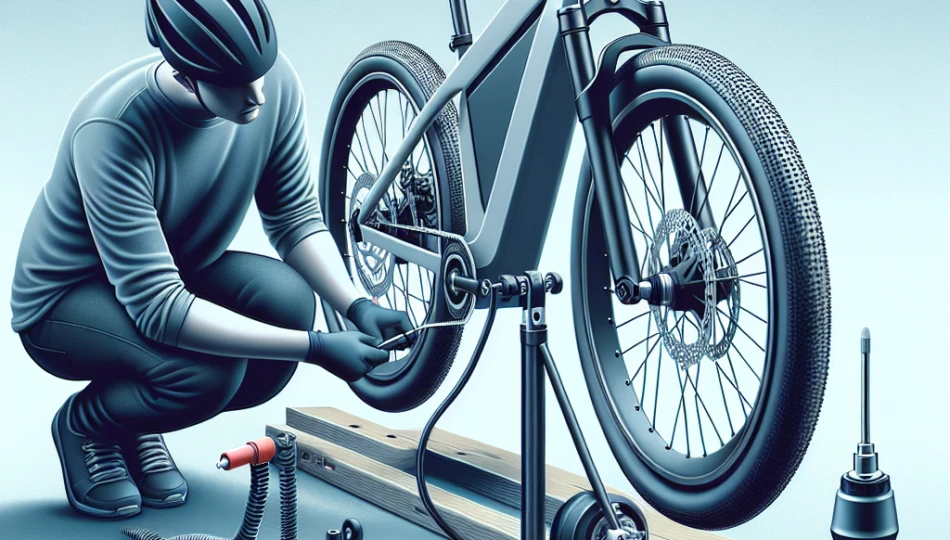
As electric bikes (ebikes) gain popularity, understanding how to maintain and adjust them becomes increasingly important. Proper wheel alignment not only enhances your riding experience but also ensures safety, efficiency, and prolongs the life of your bike. Misaligned wheels can lead to uneven tire wear, handling issues, and can even compromise your safety on the road. Thus, how to align electric bike wheels correctly? The answer is through a systematic approach that can be achieved by following a series of steps to ensure your wheels are straight, true, and functioning optimally.
1. Gather the Right Tools
The first step in aligning your electric bike wheels is to gather the necessary tools. The right tools will make the process smoother and more efficient. Here’s what you need:
- Wrench set: For adjusting your wheel’s axle and brakes if necessary.
- Bike stand or flip your bike: A stable platform to work on your bike without it moving around.
- Truing stand: Ideally, a truing stand helps you check the wheel’s true alignment.
- Spoke wrench: To adjust spoke tension, which can affect alignment.
Having these tools handy not only saves time but also allows you to perform a thorough job. If you are new to bike maintenance, a truing stand can be particularly helpful as it provides a clear and accurate assessment of wheel alignment. Without the right tools, you may find it difficult to achieve optimal results.
2. Inspect the Wheel for Damage
Before making any adjustments, inspect the wheel thoroughly for any signs of damage. Check for:
- Dents or cracks: These can result from impacts and may require wheel replacement.
- Worn out spokes: Weak spokes can lead to further alignment issues.
- Brake rub: Ensure the brake calipers are not misaligned and causing rubbing against the rim.
Taking the time to inspect your wheels upfront ensures that you are addressing any potential underlying issues that might affect alignment. If you find any damage or excessive wear, it is wise to address these issues before proceeding with the alignment process.
3. Check the Spoke Tension
Proper spoke tension is crucial for keeping your wheels aligned and true. Spokes that are too loose can cause the wheel to warp, while those that are too tight can lead to breakage. Here’s how to check and adjust spoke tension:
- Use a spoke wrench: Tighten or loosen spokes as necessary, focusing on ensuring even tension across the wheel.
- Listen for a pinging sound: Properly tensioned spokes produce a clear note when plucked.
It’s beneficial to check the tension of each spoke relative to its neighbors. A well-tensioned wheel should feel firm and exhibit a consistent tone without any dull notes. By ensuring that the spokes are evenly tensioned, you create a solid foundation for alignment.
4. True the Wheel
Truing the wheel is a fundamental aspect of alignment. This process involves adjusting the rim to ensure it is straight in relation to the bike frame. Here’s how to go about it:
- Position the wheel in the truing stand: If you don’t have one, you can flip the bike upside down.
- Spin the wheel: Observe the distance between the rim and the truing stand or bike frame to identify high or low spots.
If high spots are present (bump in the rim), you will need to tighten the spokes on the side opposite the bump. Conversely, for low spots, loosen the spokes on the same side as the dip. Continue making these adjustments and spinning the wheel until it runs true. Remember that a little adjustment goes a long way, so make small adjustments and repeatedly check as necessary.
5. Align the Hubs
Another critical aspect of wheel alignment is ensuring that the hubs are centered in relation to the bike frame. Misalignment in the hubs can lead to significant handling issues while riding. Here’s how you can check this:
- Remove the wheel: Use the appropriate tools to take the wheel off for easier access.
- Align the quick-release skewers or nuts: When reassembling, ensure these components are uniformly tightened.
Checking the axle alignment ensures that the wheel sits properly in the dropouts. An incorrectly aligned hub can result in uneven wear patterns on your tires and could impede the bike’s handling and stability. Ensuring that everything is straight and tight will give you a consistent ride.
6. Adjust the Brake Alignment
After ensuring that the wheels are aligned, the next step is checking and adjusting the brake alignment. Misaligned brakes can lead to scraping against the wheel, which affects both performance and comfort. Here’s what you should concentrate on:
- Check brake pad positioning: Ensure the brake pads align with the rim and do not rub against it.
- Center your brakes: Most modern brakes have a way to center them; follow the manufacturer’s instructions.
Brake alignment is equally as important as the wheel alignment. If you notice any irregularities, take the time to adjust the brake components properly. A well-aligned brake system not only enhances safety by improving stopping power but also ensures a smooth and enjoyable ride.
7. Test Ride the Bike
Finally, the best way to ensure that your efforts have paid off is to take your electric bike for a test ride. During this step, pay attention to how the bike feels while riding. You should check for:
- Straight line tracking: The bike should go straight without constant adjustments.
- Brake performance: Ensure the brakes engage smoothly and evenly.
- Vibrations or wobbles: Any odd sensations during the ride could indicate alignment issues.
This process ensures not only that your alignment holds but also that your riding experience remains safe and enjoyable. After the test ride, if you notice issues such as pulling to one side or vibrations, re-evaluate your adjustments and make necessary corrections until everything feels right. Testing helps confirm that all adjustments have been successful.
Maintaining Wheel Alignment Over Time
Wheel alignment is not a one-time task; it requires ongoing attention to maintain your electric bike’s performance. Regular maintenance checks after every few rides or at least once monthly can help catch misalignments early. Factors such as road conditions, riding style, and usage frequency can impact alignment.
When riding on rough terrain or frequently bouncing over potholes can lead to misalignment. Always listen for any unusual sounds or vibrations, which can be indicative of alignment problems. Staying proactive about your wheel alignment ensures a comfortable ride and prolongs the life of your bike, ultimately saving you money on repairs.
Understanding the Performance Impact of Wheel Alignment
Proper wheel alignment significantly affects your bike’s efficiency and performance. When wheels are misaligned, it can cause increased rolling resistance, force you to exert more energy to pedal, and lead to uneven tire wear. Over time, this can reduce the tire’s lifespan and efficiency, leading to potentially frequent replacements.
Efficient wheel alignment allows for better tracking and control, which is particularly important at higher speeds or on challenging terrain. A well-aligned bike will feel more stable when cornering, ultimately improving your overall riding experience. As electric bikes can often reach greater speeds than conventional bikes, the importance of correct alignment becomes even greater for safety considerations.
Choosing the Right Tires for Your Electric Bike
The choice of tires can also play a role in wheel alignment and overall bike performance. Different tire types (such as slick, semi-slick, and knobby tires) provide various benefits depending on your riding conditions. For instance, slick tires are ideal for pavement and light trails due to lower rolling resistance, while knobby tires offer better traction in dirt and uneven surfaces.
Considerations in tire pressure can also affect alignment. Under-inflated tires can lead to poor handling and misalignment, while over-inflated tires may produce a harsh ride and increase the risk of blowouts. Always ensure that your tires are inflated to the recommended pressure, which can be found on the tire’s sidewall.
Stress Testing Your Electric Bike
It can be beneficial to stress test your electric bike after performing maintenance, including alignment checks. This can involve riding in varying conditions—such as climbing, descending, or navigating turns—at different speeds. During this testing, pay close attention to how the bike responds, focusing on how it handles under pressure.
Stress testing can provide valuable insights into the overall performance of the bike and whether any further adjustments are required. If you notice any issues during these trials, revisiting the previous steps can enhance your bike’s operational effectiveness and improve its durability.
Frequently Asked Questions
1. How often should I check my electric bike wheel alignment?
It is recommended to check your electric bike wheel alignment at least once a month or every few rides, especially if you ride frequently or on rough terrain. Visible signs such as uneven tire wear or difficulty steering can also indicate that it’s time for an alignment check. Regular inspections help catch misalignments early, ensuring ongoing safety and performance.
2. Can I align my electric bike wheels myself?
Yes, aligning your electric bike wheels can be done by yourself with some basic tools and knowledge. With a truing stand, spoke wrench, and the steps outlined in this article, you can effectively check and adjust the alignment. However, if you’re unsure or find the process too challenging, seeking assistance from a bike technician can provide peace of mind.
3. What are the signs that my bike wheels are misaligned?
Common signs of misaligned bike wheels include the bike pulling to one side while riding, vibrations or wobbling during travel, visible uneven wear on tires, or noises emanating from the wheel area. If you notice any of these symptoms, it’s crucial to conduct an alignment check as soon as possible to avoid more significant issues down the road.
4. How does wheel alignment affect braking?
Wheel alignment directly impacts braking performance. If the wheel is misaligned, the brake pads may not contact the rim evenly, leading to uneven braking force. This can cause longer stopping distances, jerky brake responses, and potential brake failure. Proper alignment ensures that the brakes respond evenly and efficiently, enhancing overall safety during rides.
5. What should I do if my wheels are still misaligned after following these steps?
If you have completed all the alignment steps and your wheels are still misaligned, consider inspecting for other potential issues such as bent frames, damaged hubs, or problematic forks. Seeking professional help from a bike mechanic can also provide further diagnostics and solutions tailored to your specific bike type or brand.
6. How does the weight distribution of an electric bike affect wheel alignment?
The weight distribution of an electric bike, mainly influenced by the battery and motor placement, can impact wheel performance and alignment. E-bikes tend to have more weight in the rear, which means that consistent checks should be made in all aspects, particularly if you notice more wear on rear tires or handling issues. Proper wheel alignment takes weight distribution into account, leading to improved performance and stability.
7. Can changing my riding style impact wheel alignment?
Absolutely! Your riding style can influence wheel alignment. Aggressive riding or frequent off-road excursions may lead to more wear and tear on the bike, causing misalignment. Similarly, riding with heavy loads or passengers can place additional strain on the wheels. Adapt your alignment checks based on your riding habits, particularly if your style involves jumps, turns, or navigating obstacles frequently.
Summing It Up
Aligning your electric bike wheels properly is essential for ensuring a safe, comfortable, and enjoyable ride. By meticulously following the seven outlined steps—gathering the right tools, inspecting for damage, checking spoke tension, truing the wheel, aligning the hubs, adjusting brakes, and conducting a test ride—you can maintain optimal performance of your bike.
Regular checks and awareness of your riding conditions can significantly enhance wheel longevity and ensure a superior riding experience. Remember, a well-maintained bike not only performs better but also enhances your safety on the road. With continued care and attention, you can enjoy the numerous benefits an electric bike brings, including convenience and the joy of cycling.
Your electric bike is an investment; treating it with the care it deserves by keeping its components aligned will pay off in performance and enjoyment for many rides to come. Happy cycling!