
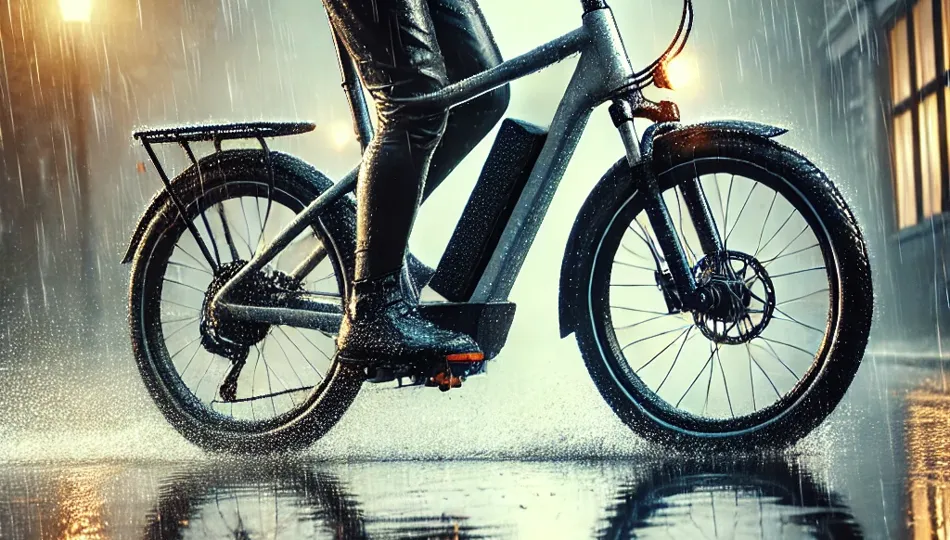
Electric bikes (e-bikes) are a practical and eco-friendly mode of transportation, but one question often arises: Can electric bikes get wet? The short answer is yes – most e-bikes are designed to handle rain and light splashes. However, understanding their limitations, waterproofing features, and how to care for your bike in wet conditions is crucial for safe and efficient riding.
In this guide, we’ll explore how electric bikes perform in rainy weather, offer tips for safe riding, and address common concerns about water exposure.
Are Electric Bikes Waterproof or Water-Resistant?
The terms waterproof and water-resistant are often used interchangeably but have different implications:
- Waterproof: A waterproof e-bike is fully sealed and can withstand submersion in water. This is rare in commercial e-bikes.
- Water-Resistant: Most e-bikes are water-resistant, meaning they can handle rain and splashes but are not designed for full immersion.
Manufacturers often rate their e-bikes using an IP (Ingress Protection) rating, which indicates protection against solids (like dust) and liquids. For example, an IP65 rating means the bike is dust-tight and resistant to water jets. Always check the specifications of your e-bike for its water-resistance level.
Riding an Electric Bike in the Rain: What You Need to Know
Riding an e-bike in rainy weather is generally safe if you follow the right precautions. Here are some factors to consider:
How Do E-Bikes Handle Rain?
E-bikes are equipped with features that make them suitable for rainy conditions:
- Sealed Components: The motor and battery are typically enclosed in protective casings to prevent water ingress.
- Durable Wiring: Waterproof connectors and cables are used to ensure uninterrupted power flow.
- Grippy Tires: Many e-bikes come with tires designed to provide good traction on wet surfaces.
However, the degree of water resistance varies by model and manufacturer. Avoid riding through deep water or leaving your bike exposed to heavy rain for extended periods.
Risks of Riding in Rain
While e-bikes can handle light to moderate rain, there are some risks to be aware of:
- Electrical Malfunctions: Prolonged water exposure can damage the battery, motor, or wiring.
- Reduced Traction: Wet roads can make braking and turning more challenging.
- Corrosion: Over time, moisture can corrode metal parts and connectors.
By taking precautions and performing regular maintenance, you can minimize these risks.
Tips for Riding Your E-Bike in Rainy Weather
Riding an e-bike in the rain requires some adjustments to ensure safety and performance. Here’s how to prepare:
Protecting Your E-Bike
- Inspect Your Bike: Before riding, check that all seals and connectors are intact.
- Use Fenders: Install front and rear fenders to minimize water spray onto the bike and yourself.
- Cover the Battery: Use a water-resistant battery cover for extra protection.
- Avoid Deep Puddles: Riding through deep water can damage the motor and battery.
Improving Your Visibility
Rainy weather reduces visibility for both you and other road users. Enhance your visibility with these tips:
- Wear Reflective Gear: Use a reflective jacket, pants, or armbands.
- Install Lights: Ensure your front and rear lights are bright and functioning.
- Use a Helmet Visor: A visor can keep rain out of your eyes, improving visibility.
Adjusting Your Riding Style
- Slow Down: Wet surfaces increase stopping distances, so reduce your speed.
- Brake Gently: Apply brakes gradually to prevent skidding.
- Avoid Sudden Turns: Take corners slowly to maintain traction.
- Keep Pedaling Steadily: Consistent pedaling helps the motor work efficiently in wet conditions.
Post-Ride Care
After riding in the rain, take the following steps to maintain your e-bike:
- Dry the Bike: Wipe down the frame, battery, and motor with a dry cloth.
- Clean the Chain: Remove dirt and moisture from the chain and apply lubricant to prevent rust.
- Inspect Connectors: Check for moisture around connectors and dry them thoroughly.
- Store Indoors: Keep your e-bike in a dry, sheltered area to avoid long-term exposure to moisture.
FAQs About Riding E-Bikes in the Rain
Can Electric Bikes Get Damaged in the Rain?
Most e-bikes are designed to handle rain, but prolonged exposure or submersion can cause damage. Follow the manufacturer’s guidelines to ensure safe use.
Is It Safe to Charge an E-Bike Battery After It Gets Wet?
Always dry the battery and connectors thoroughly before charging to prevent short circuits or corrosion.
What Should I Do If My E-Bike Stops Working in the Rain?
If your e-bike malfunctions due to water exposure, turn it off immediately and dry it. If the problem persists, consult a professional technician.
Are E-Bike Motors Waterproof?
Most e-bike motors are water-resistant but not waterproof. Avoid submerging the motor or exposing it to high-pressure water jets.
Can I Wash My E-Bike with a Hose?
Avoid using high-pressure hoses, as they can force water into sealed components. Instead, use a damp cloth or a gentle spray for cleaning.
Comparing E-Bikes to Traditional Bikes in Rainy Conditions
| Feature | Electric Bikes | Traditional Bikes |
|---|---|---|
| Water Resistance | Water-resistant components | No electronics to protect |
| Ease of Riding | Motor assistance in rain | Fully manual effort required |
| Maintenance Needs | Extra care for battery/motor | Less maintenance needed |
| Cost of Repairs | Higher if electronics fail | Lower overall cost |
This table highlights the pros and cons of riding e-bikes compared to traditional bikes in wet weather.
Real-Life Examples of Riding E-Bikes in the Rain
City Commuting in Light Rain
Many urban riders rely on e-bikes for commuting, even in rainy weather. Proper gear, such as waterproof clothing and fenders, ensures a comfortable ride. Riders often store their bikes indoors at work to keep them dry during heavy rain.
Off-Road Adventures
Some e-bike enthusiasts take to muddy trails and rainy paths, relying on water-resistant motors and grippy tires. Regular maintenance, such as cleaning the chain and drying the motor casing, keeps the bike in top condition for future rides.
Long-Distance Touring
Touring cyclists often encounter varying weather conditions. Planning routes to avoid flooded areas and carrying protective covers for the battery and motor ensures a successful journey.
How to Choose an E-Bike for Rainy Weather
If you frequently ride in wet conditions, selecting an e-bike specifically suited for such environments is crucial. Here’s what to look for:
Water Resistance Ratings
Always check the e-bike’s IP rating. A higher rating (e.g., IP65 or IP67) indicates better protection against water ingress. Look for bikes explicitly designed for all-weather use to ensure durability.
Robust Battery Design
Opt for an e-bike with a well-sealed, detachable battery. This not only protects against water damage but also allows you to remove the battery for charging or storage in a dry place.
Durable Tires
Tires with good tread patterns and puncture resistance are essential for wet roads. They provide better traction and reduce the risk of slipping on slick surfaces.
Weatherproof Accessories
Consider bikes with or add the following accessories:
- Mudguards or Fenders: To prevent water splashing.
- Integrated Lights: Waterproof front and rear lights improve visibility in low-light or rainy conditions.
- Protective Covers: For the battery and motor to shield them during heavy rain.
Maintenance and Service Support
Choose a brand or retailer that offers reliable after-sales service, especially for repairs and maintenance of water-resistant components.
How to Prepare for a Rainy Ride
Proper preparation ensures a safe and comfortable experience in wet weather. Here’s a step-by-step guide:
- Gear Up with Waterproof Clothing: Wear a rain jacket, waterproof pants, and shoe covers to stay dry.
- Inspect Your Bike: Ensure your e-bike is in good condition, with no visible damage to the battery or connectors.
- Plan Your Route: Avoid routes prone to flooding or deep puddles.
- Pack Essentials: Carry a small towel, a portable battery cover, and a multi-tool kit for on-the-go adjustments.
- Check Weather Updates: Be aware of any severe weather conditions and avoid riding in heavy storms.
Environmental Considerations for Riding E-Bikes in Rain
Using an e-bike in the rain is not only practical but also environmentally friendly. By choosing an e-bike over a car, even in less-than-ideal weather, you reduce your carbon footprint and avoid contributing to traffic congestion. However, there are some sustainability tips to keep in mind:
- Eco-Friendly Maintenance: Use biodegradable cleaning products to clean your bike after a ride.
- Proper Disposal of Damaged Components: Recycle damaged batteries and electronic parts through certified programs to minimize environmental harm.
- Use of Renewable Energy for Charging: Consider charging your e-bike with renewable energy sources, such as solar panels, to further reduce emissions.
Benefits of Riding E-Bikes in the Rain
Despite the challenges, riding an e-bike in rainy weather offers several advantages:
- Reliable Commutes: With pedal assistance, you can maintain steady speed and effort, even in challenging conditions.
- Eco-Friendly Transportation: E-bikes remain a green alternative to cars, regardless of weather.
- Expanded Riding Opportunities: With the right preparation, rainy days no longer have to disrupt your plans.
Riding in the rain can be an enjoyable experience with the proper gear and precautions, turning a typically inconvenient situation into an opportunity for adventure.
Conclusion
Electric bikes can handle rain with ease, provided they’re used responsibly and maintained properly. By understanding your e-bike’s water-resistance capabilities, practicing safe riding habits, and investing in the right accessories, you can enjoy smooth, worry-free rides in wet conditions. From city commutes to off-road adventures, rainy weather doesn’t have to slow you down.