
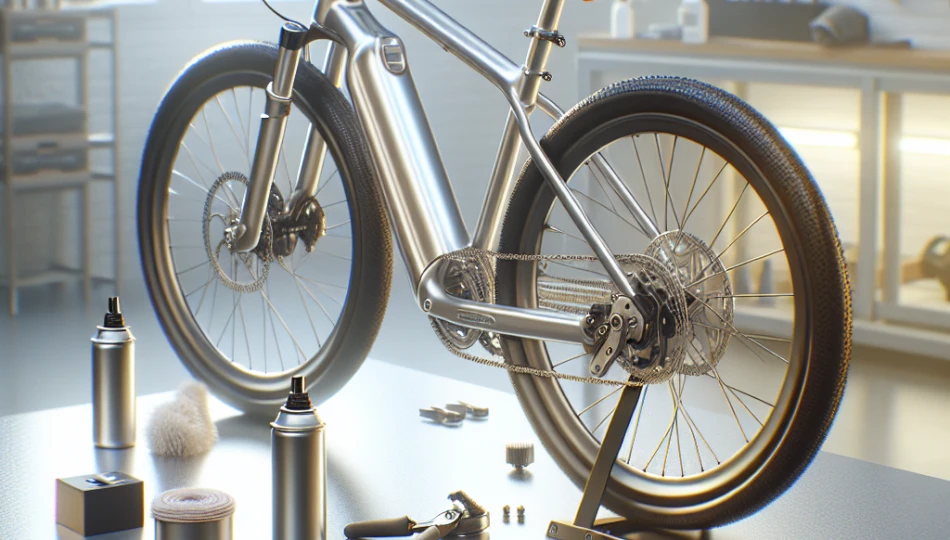
If you’re a proud owner of an electric bike (e-bike), you know that keeping it in optimal condition is essential for performance and longevity. One of the biggest threats to e-bikes is rust, which can compromise both functionality and appearance. With the right preventative measures, however, you can keep your bike looking and riding great for years. How can you prevent rust on an electric bike? The key is to stay proactive with maintenance and care. Here are seven effective tips to help you ward off rust and protect your investment.
1. Regular Cleaning
To prevent rust from settling in, it’s essential to clean your electric bike on a regular basis. Water, dirt, and grime can create conditions that promote rust development, especially if left unchecked. Regular cleaning removes contaminants and allows you to inspect the bike for any signs of damage or wear.
- Use the right tools: Soft brushes and non-abrasive sponges are best for cleaning. Avoid using high-pressure washers, which can force water into areas where it can cause rust.
- Schedule your cleanings: Try to clean your bike after every ride, particularly if you’ve been in wet or muddy conditions. Consider doing a thorough cleaning at least once a month.
- Consider your cleaning solution: Use a mild soap or bike-specific cleaner to prevent any corrosive actions that harsh chemicals may cause.
Take your time while cleaning the bike, ensuring that all areas, particularly around joints and connections, are thoroughly dried after washing. A clean bike not only looks better but also allows you to spot potential rust issues early.
2. Proper Drying Techniques
After cleaning, drying your electric bike correctly is crucial to preventing rust. Any residual moisture can become trapped in crevices and can lead to rust formation over time.
- Wipe down surfaces: Use a microfiber cloth to thoroughly dry all metal components, focusing on areas where water collects.
- Let it air dry: After wiping, allow your bike to air dry in a well-ventilated area to eliminate any hidden damp spots.
- Inspect for moisture retention: Pay close attention to enclosed areas like the battery compartment and frame joints, ensuring that no water remains.
Implementing good drying practices can significantly decrease the likelihood of rust developing due to residual moisture. Be especially careful during the wet seasons when keeping rust at bay is more challenging.
3. Apply Protective Coatings
Using rust prevention coatings is a highly effective way to shield your bike from rust. These coatings create a barrier that keeps moisture and contaminants from reaching the metal surfaces.
- Choose the right product: Look for rust-inhibiting sprays and waxes designed for bicycles to ensure compatibility with your bike’s materials.
- Follow application instructions: Make sure to clean and dry the surfaces thoroughly before applying any product for best results.
- Reapply regularly: Depending on riding conditions, it may be necessary to reapply coatings every few months to maintain maximum protection.
Protective coatings not only help prevent rust but also provide a layer of shine to your bike, enhancing its aesthetic appeal. Regularly checking for wear on these coatings can go a long way in maintaining their effectiveness.
4. Store Your Bike Properly
How and where you store your electric bike can have a significant impact on its susceptibility to rust. Proper storage ensures that your bike is shielded from moisture and other elements that contribute to rust formation.
- Indoor storage: Whenever possible, store your bike inside. A dry garage or basement is ideal.
- Use a bike cover: If you must store your bike outside, invest in a high-quality, waterproof bike cover to shield it from rain and moisture.
- Avoid damp areas: Ensure the storage location is dry; avoid storing in basements or sheds that tend to be humid.
Storing your bike properly not only helps prevent rust but can also protect other components from damage. It’s an investment in the overall longevity of your electric bike.
5. Regular Inspections
Routine inspections are essential in catching rust before it becomes a serious issue. By regularly checking your bike for signs of rust or corrosion, you can take preventive action quickly.
- Use a flashlight: Look for any rust discoloration or flaking on metal surfaces, especially around bolts and seams.
- Check connections: Pay particular attention to electrical connections, which are often vulnerable to moisture and rust.
- Take note of scratches: Identify any scratched or chipped paint as these places are entry points for moisture.
Performing inspections frequently can save you time and money in repairs. It also allows you to maintain your e-bike in top condition and enjoy worry-free rides.
6. Lubricate Moving Parts
Many of the moving parts on your electric bike are made from metal. Rust can easily develop if these parts are not lubricated regularly. Well-lubricated components can also help reduce friction, enhancing the performance of your bike.
- Choose the right lubricant: Look for bike-specific lubricants that resist moisture and provide adequate protection against rust.
- Focus on key areas: Apply lubricant to the chain, brake pivots, and any other moving parts that are prone to rust.
- Do it regularly: Establish a regular maintenance schedule to ensure all moving parts remain adequately lubricated.
Lubrication forms a barrier against moisture while minimizing wear and tear on crucial components. It’s an easy yet effective way to contribute significantly to rust prevention.
7. Monitor Humidity and Temperature
Finally, keeping an eye on the environmental conditions where you store and ride your bike can have a significant impact on rust development. High humidity and extreme temperatures can exacerbate rust issues.
- Adequate ventilation: Ensure that your storage area has good airflow to help keep humidity levels low.
- Invest in a dehumidifier: If your storage area tends to be humid, consider using a dehumidifier to remove excess moisture.
- Adjust your riding gear: Opt for weather-appropriate gear, and refrain from riding during heavy rain or snow unless absolutely necessary.
By monitoring these factors, you can create a more favorable environment that minimizes the risk of rust developing on your electric bike.
Understanding Rust and Its Effects on Electric Bikes
Rust is the result of a chemical reaction between iron, oxygen, and moisture. For electric bikes, which often have metal components exposed to the elements, understanding how rust forms is crucial. When metal parts are left unprotected, they are particularly susceptible to rusting, which not only affects the aesthetics of the bike but also its safety and functionality.
Rust can lead to structural weaknesses, reducing the strength of key components such as the frame, handlebar, and brake system. Additionally, rust can block moving parts from functioning smoothly, leading to decreased performance. Knowing how to protect against rust proactively is imperative for maintaining the safety and performance of your e-bike.
The Importance of Regular Maintenance
Regular maintenance extends beyond just cleaning; it involves a comprehensive approach to care for your e-bike. Routine checks of the brakes, battery, and electrical systems can help catch issues early on before they escalate into major repairs. A well-maintained e-bike not only performs better but is also safer on the road.
Creating a maintenance schedule is beneficial—consider drafting a checklist that allows you to track what tasks need to be completed and when. This helps ensure that no areas are overlooked, substantially decreasing the risk of rust and other forms of damage over time.
Environmental Considerations
Where you ride and how you store your electric bike play a fundamental role in the potential for rust development. Bikes used frequently in coastal areas, for example, may be exposed to salty air and higher humidity levels that accelerate rust formation. Likewise, cities experiencing heavy rain or snow can pose a similar threat.
Consider the climate and choose riding and storage options accordingly. If you’re in a less forgiving environment, making modifications to your maintenance routine or investing in additional protective measures can be critical in extending your bike’s lifespan.
Frequently Asked Questions
1. How often should I clean my electric bike?
Cleaning your electric bike after every ride, especially in wet or muddy conditions, is highly recommended. However, a thorough cleaning should take place at least once a month in dry conditions. This routine keeps contaminants at bay and allows you to inspect your bike for any early signs of rust or wear.
2. Can I use regular car wax on my e-bike?
While car wax can provide a protective layer, it is advisable to use bike-specific products. These products are formulated to accommodate the materials and components of an electric bike, offering better rust prevention and aesthetics. Always follow the product instructions for the best results.
3. What should I do if I find rust on my electric bike?
If you discover rust, act quickly. Start by scrubbing the rusted area with a rust remover or a fine-grit sandpaper, depending on how severe the rust is. After removing the rust, wash the area, dry it thoroughly, and apply a protective coating to prevent future rust formation.
4. Do electric bikes require special lubricants?
Using bike-specific lubricants is critical for optimal performance and rust prevention. These lubricants are designed to resist moisture and retain their properties under various riding conditions. Proper lubrication not only protects against rust but also ensures smoother operations of the moving parts.
5. What is the best way to store an electric bike during winter?
To best protect your bike during winter, store it in a dry, climate-controlled environment if possible. Keep it away from damp areas, and if you must store it outside, cover it with a waterproof cover. Regularly inspect it for any signs of moisture accumulation while it’s in storage.
6. Are there bike covers that prevent rust?
Yes, investing in high-quality, waterproof bike covers can greatly reduce moisture exposure and thus minimize the risk of rust. Look for covers that are breathable to allow moisture to escape while shielding your bike from rain and snow.
7. Is rust permanent, or can it be fixed?
Rust can often be treated and fixed, provided it’s caught early. Minor rust spots can usually be sanded down and repainted, and rust removal treatments can reverse early-stage rust damage. For significant rust damage, however, replacement parts may be necessary.
Summing It Up
Preventing rust on your electric bike is vital to ensuring its longevity and optimal performance. By incorporating routine cleaning, proper drying techniques, and protective coatings, you can significantly reduce the likelihood of rust formation. Regular maintenance inspections and optimal storage solutions further back this commitment to care. Being proactive about humidity and environmental considerations, along with using suitable lubricants, can also make a sizeable difference.
In essence, your e-bike is an investment that deserves attention and care. By following these tips and maintaining vigilance against rust-inducing elements, you can enjoy safer, more reliable rides well into the future. Keeping your electric bike rust-free not only enhances its performance but also ensures that it remains visually appealing, allowing you to enjoy every ride to the fullest.