
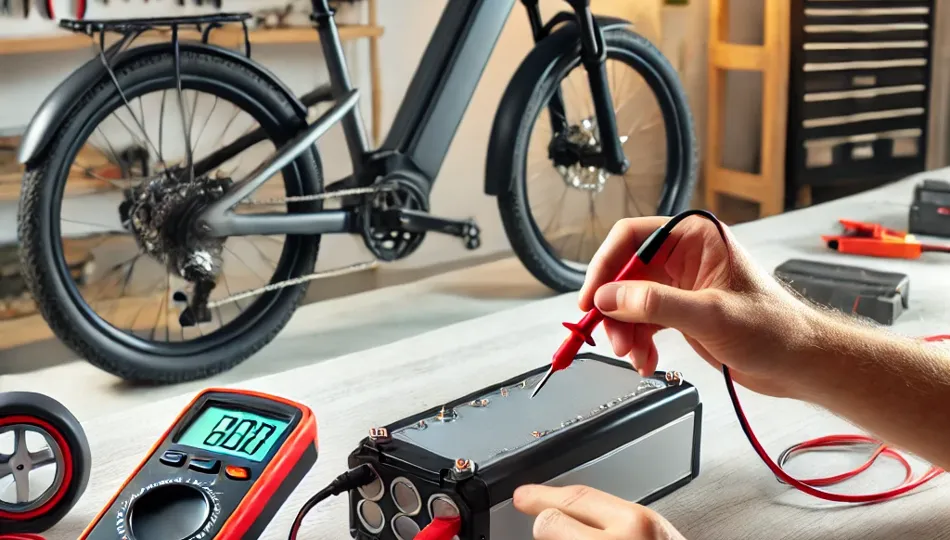
An electric bike (e-bike) battery not working can be frustrating, especially if you rely on your e-bike for commuting, leisure, or errands. Fortunately, most issues with e-bike batteries can be diagnosed and resolved with a little troubleshooting. Understanding the potential causes of battery failure and knowing how to address them can save time, money, and stress.
In this guide, we’ll walk you through common reasons why your e-bike battery might stop working, step-by-step troubleshooting methods, and when it’s time to seek professional help.
Why Your Electric Bike Battery Might Stop Working
Several factors can cause an e-bike battery to stop functioning. Here are the most common reasons:
Low or Depleted Charge
One of the simplest issues is that the battery is completely discharged. Lithium-ion batteries can shut down if their voltage drops below a certain level to prevent damage.
Loose or Damaged Connections
If the battery is not securely connected to the bike, it may not deliver power properly. Corrosion, dirt, or physical damage to the connectors can also disrupt the flow of electricity.
Faulty Charger
Sometimes, the issue isn’t with the battery but with the charger. A malfunctioning charger won’t replenish the battery, leading to apparent failure.
Internal Cell Damage
Physical impacts, water exposure, or general wear and tear can damage the battery cells, reducing their capacity or rendering them non-functional.
Battery Management System (BMS) Malfunction
The BMS is responsible for regulating the battery’s charging and discharging processes. A failure in this system can cause the battery to shut down or behave erratically.
Overheating or Environmental Factors
Extreme heat or cold can temporarily reduce a battery’s performance or even cause it to stop working entirely. Always check the environmental conditions where the battery is used or stored.
Step-by-Step Troubleshooting for E-Bike Batteries
If your battery isn’t working, follow these steps to diagnose and possibly fix the issue:
Step 1: Check the Charger
- Inspect the Charger Cable: Look for visible damage, such as frayed wires or bent pins.
- Test the Charger on Another Battery: If you have access to another e-bike or battery, see if the charger works with it.
- Measure Output with a Multimeter: Use a multimeter to check if the charger is providing the correct voltage as specified by the manufacturer.
If the charger is faulty, replace it with a compatible model.
Step 2: Inspect the Battery Connections
- Clean the Terminals: Remove the battery and inspect the connectors. Clean any dirt, debris, or corrosion with a soft cloth or contact cleaner.
- Ensure a Secure Fit: Reattach the battery, ensuring it is firmly connected to the bike’s terminals.
Loose or corroded connections are a common cause of battery-related issues.
Step 3: Test the Battery Voltage
- Use a Multimeter: Set the multimeter to DC voltage mode and measure the voltage at the battery terminals.
- Compare to Specifications: If the voltage is significantly lower than the rated value, the battery may need recharging or cell balancing.
Step 4: Reset the Battery Management System
Some e-bike batteries have a reset feature to address minor BMS malfunctions. Follow these steps:
- Remove the battery from the bike.
- Press and hold the reset button (if available) for several seconds.
- Reattach the battery and check its functionality.
Step 5: Look for Signs of Physical Damage
- Inspect the Casing: Check for cracks, swelling, or leaking fluids.
- Check for Water Damage: Look for moisture or corrosion inside the battery compartment.
If the battery shows visible signs of damage, it may need professional repair or replacement.
Step 6: Test on Another E-Bike (if Possible)
If you have access to another e-bike compatible with your battery, test the battery there. This helps determine whether the issue lies with the battery or the bike’s electrical system.
When to Seek Professional Help
If you’ve gone through the troubleshooting steps and your battery still doesn’t work, it’s time to consult an expert. Here’s when to seek professional help:
- Severe Physical Damage: A swollen, leaking, or cracked battery is a safety hazard.
- BMS Failure: Diagnosing and repairing the BMS requires specialized tools and expertise.
- Cell Replacement: Replacing individual cells is a delicate process best handled by professionals.
- Warranty Coverage: If your battery is still under warranty, contact the manufacturer for repair or replacement options.
Preventing Future Battery Problems
Maintaining your e-bike battery properly can help avoid many common issues. Follow these tips for long-term reliability:
Charge Wisely
- Avoid Full Drains: Charge the battery when it drops to around 20–30% capacity.
- Unplug When Fully Charged: Disconnect the charger once the battery is full to prevent overcharging.
Store Safely
- Keep in a Cool, Dry Place: Avoid exposure to extreme heat, cold, or moisture.
- Store at Partial Charge: For long-term storage, keep the battery at around 50% charge.
Handle with Care
- Avoid Drops: Handle the battery gently to prevent internal damage.
- Inspect Regularly: Check for signs of wear, corrosion, or physical damage.
FAQs About E-Bike Battery Troubleshooting
Why Won’t My E-Bike Battery Charge?
Common reasons include a faulty charger, loose connections, or internal battery issues. Start by testing the charger and inspecting the connectors.
How Do I Know If My Battery Is Dead?
A dead battery typically won’t hold any charge or show voltage readings far below its rated value. If troubleshooting doesn’t help, replacement may be necessary.
Can I Repair a Damaged Battery Myself?
Minor issues like loose connectors can be fixed at home, but repairing internal components or cells requires professional expertise.
Is It Safe to Use a Swollen Battery?
No. A swollen battery is a serious safety hazard and should be replaced immediately.
How Long Should an E-Bike Battery Last?
With proper care, most e-bike batteries last 3–5 years or 500–1,000 charge cycles.
Real-Life Scenarios: E-Bike Battery Troubleshooting Success Stories
The Case of the Faulty Charger
A commuter noticed their e-bike battery wouldn’t charge. After testing the charger with a multimeter, they discovered it wasn’t outputting any voltage. Replacing the charger with a manufacturer-approved model resolved the issue, saving them the cost of a new battery.
Loose Connections After a Ride
An off-road rider experienced intermittent power delivery during a trail ride. Upon inspection, they found that the battery had slightly dislodged from its terminal due to vibrations. Reattaching it securely restored normal function, highlighting the importance of checking connections.
Resetting the Battery Management System
A recreational rider’s battery suddenly stopped working after a full discharge. They removed the battery, pressed the reset button, and allowed it to rest for 30 minutes. Once reconnected, the battery returned to normal, demonstrating the utility of understanding basic BMS functions.
Comparing DIY Repairs vs. Professional Assistance
| Aspect | DIY Repairs | Professional Assistance |
|---|---|---|
| Cost | Low (tools only) | Moderate to High (labour fees) |
| Complexity | Simple tasks like cleaning | Advanced repairs, like BMS fixes |
| Safety | Depends on user expertise | Guaranteed safe handling |
| Warranty Impact | Risk of voiding warranty | Maintains warranty compliance |
| Time Investment | Faster for basic fixes | May require scheduling and wait times |
This table helps highlight when it’s better to attempt a fix yourself versus contacting a professional.
Replacing Your E-Bike Battery: What You Need to Know
When repair isn’t an option, replacing the battery is the next step. Here’s what to consider:
Compatibility
- Check Voltage and Capacity: Ensure the replacement battery matches your e-bike’s requirements.
- Connector Types: Verify that the battery’s connectors fit your e-bike’s wiring.
Quality and Certifications
- Opt for Reputable Brands: Choose batteries from trusted manufacturers to ensure safety and reliability.
- Look for Certifications: Certified batteries meet safety standards and often come with warranties.
Environmental Considerations
- Recycle Responsibly: Take your old battery to a certified recycling center. Many manufacturers also offer recycling programs.
- Avoid Counterfeits: Low-cost, uncertified batteries can pose significant safety risks.
Cost
Replacement batteries typically range from £200 to £600, depending on capacity and brand. While this is a significant investment, a high-quality battery can last several years with proper care.
Planning for Long-Term Battery Health
To avoid repeated issues, make battery maintenance part of your routine:
- Monthly Inspections: Check for visible damage, swelling, or loose connections.
- Seasonal Adjustments: Store batteries indoors during extreme weather conditions.
- Regular Charging Practices: Charge your battery after each ride and avoid prolonged discharges.
These habits not only reduce the likelihood of failure but also maximize the lifespan of your investment.
Conclusion
If your electric bike battery stops working, it doesn’t necessarily mean you need to replace it immediately. Many issues, such as loose connections, faulty chargers, or minor BMS glitches, can be resolved through simple troubleshooting. However, for serious damage or advanced issues, professional assistance is the safest option.
By understanding how e-bike batteries function, maintaining them regularly, and knowing when to seek help, you can keep your e-bike running smoothly and avoid unnecessary expenses. Proper care and timely action are the keys to ensuring a reliable and enjoyable riding experience.