
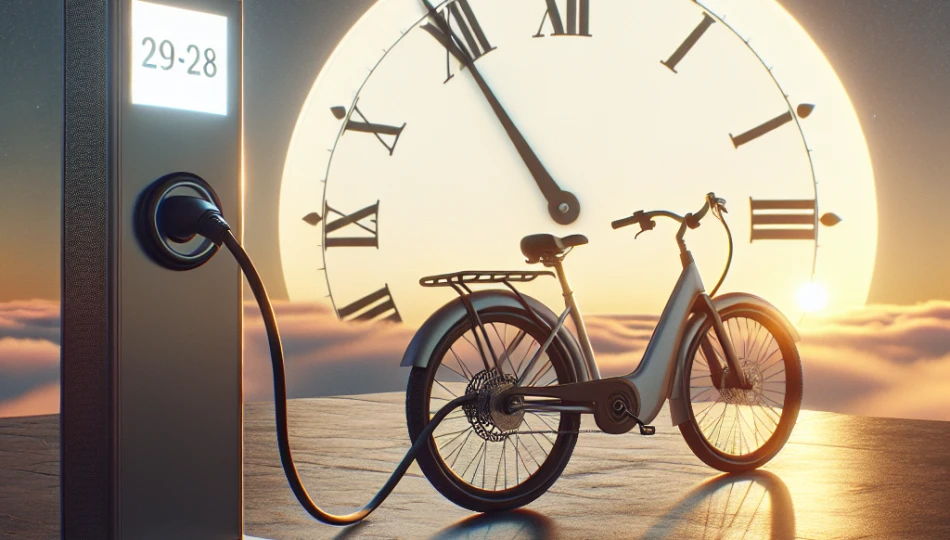
As electric bikes continue to grow in popularity, many enthusiasts and potential buyers are curious about their functionalities and performance. One of the most common inquiries revolves around the charging aspect of these innovative modes of transport. How long does it take to charge an electric bike battery? The answer can vary significantly depending on several factors, including battery size, charger specifications, and charging conditions. Generally, it can take anywhere from 2 to 8 hours to fully charge an electric bike battery, but understanding the contributing factors can help you better manage your bike’s power needs.
1. Battery Capacity
The capacity of an electric bike’s battery, typically measured in watt-hours (Wh), plays a crucial role in determining the charging time. More powerful batteries, with higher capacities, naturally require more time to charge. For instance, a 400Wh battery might take around 4-5 hours to charge fully, while a 700Wh battery may require up to 8 hours.
- Smaller batteries (200-300Wh): usually have shorter charging times, ranging from 2-4 hours.
- Medium batteries (400-600Wh): can take anywhere from 4-6 hours to complete a charge.
- Larger batteries (700Wh and above): might take 6-8 hours or more for a full charge.
It’s essential for riders to consider their typical distance traveled when choosing an electric bike battery. A higher capacity battery allows for longer rides but at the expense of longer charging times. Riders planning more extended journeys may want to invest in larger batteries to ensure they have adequate power for their trips.
2. Charger Power Output
The power output of the charger used to replenish an electric bike battery has a direct impact on the charging duration. Chargers can vary widely in output, often ranging from 2A to 10A. The higher the amperage, the faster the charging process will be.
- Standard chargers (2A-4A): generally takes longer to charge, suitable for overnight charging.
- High-speed chargers (5A-10A): can significantly reduce charging time, allowing for quicker turnarounds.
A charger with a 5A output can typically charge a 500Wh battery in about 4-5 hours, while a lower 2A charger might take up to 10 hours for the same battery. However, it’s essential to use chargers that are compatible with your bike’s battery to avoid any damage or safety risks.
3. Battery Age and Condition
The age and overall condition of the electric bike battery can heavily influence charging time. As batteries age, their ability to hold and accept charge diminishes. This degradation can result in increased charging times and decreased overall performance.
- Older batteries may need more time to reach full capacity.
- Regular maintenance can improve battery longevity and efficiency.
For instance, a well-maintained battery can still charge quickly, but a battery that has seen significant wear and tear might struggle to accept charge effectively. Regular inspections and adherence to manufacturer guidelines for care and charging can help extend a battery’s life and efficiency, leading to optimal charging times.
4. Ambient Temperature
The environment in which you are charging your electric bike can affect the duration of the charging process. Batteries function best within a specific temperature range — typically between 20°C to 25°C (68°F to 77°F). If the temperature is too low or too high, the battery might either charge more slowly or enter a state of protection that limits charging.
- Cold conditions (below 0°C or 32°F): can slow down the chemical reactions within the battery, leading to an extended charging time.
- High temperatures (above 35°C or 95°F): can cause overheating and trigger charging protection mechanisms, slowing or halting the charging process.
To optimize charging, it is advisable to charge your battery in a climate-controlled environment, especially during extreme weather. Ensuring that the battery is neither too cold nor too hot can help maintain its efficiency and reduce the time needed for a complete charge.
5. State of Charge
The initial state of charge (SOC) of the battery will also play a significant role in determining how long the charging will take. If a battery is completely drained, it will take longer to charge than if it still has some remaining power.
- A battery at 20% charge might recharge to full in 3-5 hours with a standard charger.
- A fully drained battery may require the whole 6-8 hours, depending on its capacity and charger output.
It’s essential for riders to monitor their battery levels regularly to avoid completely depleting it, which can lead to heightened charging times and even long-term damage to the battery. Keeping the battery charge between 20% and 80% is often recommended to prolong its lifespan and maintain optimal performance.
6. Battery Management System
Many modern electric bike batteries come equipped with a Battery Management System (BMS), which ensures the battery operates efficiently and safely. The BMS is designed to monitor the charging process, balance cell voltage, and prevent overcharging.
- Effective BMS can lead to better charging times by optimizing the way the battery accepts charge.
- Faulty or outdated BMS may hinder the charging process, resulting in longer durations.
A robust BMS contributes to the overall health of the battery, and manufacturers typically ensure that they provide high-quality BMS units with their batteries. Riders should be aware of their battery management systems and understand how they can affect charging times—especially with extended use or if the bike has been in storage for long periods.
7. Charging Method
Lastly, the method of charging your electric bike can influence how long it takes to fully charge the battery. There are two primary charging methods: onboard charging and external charging.
- Onboard charging: involves using the charger that is built into the bike, requiring the bike to remain stationary while charging.
- External charging: utilizes a separate charger equipped to either charge the bike while it is parked or removed from the bike.
Onboard chargers tend to be slower because they are often lower in voltage and amperage compared to high-performance external chargers. While onboard charging offers convenience, the efficiency trade-off may result in longer charging times. Riders looking to reduce their downtime should consider investing in a faster external charger that is compatible with their battery type.
Charging Options for Electric Bikes
As electric bikes have become more widespread, various charging options have emerged, offering flexibility and convenience for riders. Understanding these options can help you manage charging times more effectively and improve your overall riding experience.
Home Charging
Home charging is the most common method for electric bike owners. Using a standard wall outlet, riders can plug in their charger and charge the battery at home while they go about their daily routine. This method is highly convenient as you can easily do it overnight or while you are at home. However, it’s important to ensure you have a compatible charger with appropriate amperage to avoid excessively long charging times.
One of the best practices for home charging is to keep the bike or battery within the optimal temperature range. This ensures that the charging processes run smoothly and efficiently. Additionally, investing in a smart charger can be beneficial. These chargers can automatically switch to trickle mode once the battery is fully charged, helping to prevent potential overcharging issues, thus extending battery life.
Charging at Work or Public Charging Stations
For those who commute using electric bikes, charging during the workday or utilizing public charging stations can be an excellent strategy. Many workplaces now offer charging facilities for electric bikes, making it feasible for employees to recharge while they work. Additionally, some cities have begun to roll out dedicated electric bike charging stations at parks, shopping centers, and popular commuter hubs.
When using public charging stations, riders should be mindful of the charging rates, as they may vary. Some public chargers are designed to cater to a faster charging setup (which might be beneficial if you’re in a rush), while others may be standard-speed chargers. Familiarizing yourself with different charging station types in your area can make a significant difference in your riding experience.
Battery Care and Maintenance
Proper care and maintenance of an electric bike battery are critical for maximizing performance and extending lifespan. Here are a few essential practices to consider:
Regular Monitoring
Keeping an eye on your battery’s health is vital. Consider monitoring its voltage and capacity regularly, particularly before long rides. Batteries with less than 20% charge can be significantly harder to fully recharge and may face damage if routinely cycled to low levels. Furthermore, unexpected loss of power during a ride can be dangerous, so regularly checking capacity will help in maintaining confidence in your battery’s reliability.
Investing in a battery management app or using built-in monitoring features can aid in tracking battery health and usage patterns. This information can equip you with the knowledge to plan rides effectively—ensuring you don’t over-exert the battery, which could lead to a shortened lifespan and longer charging times.
Cleansing Contacts and Connections
Regularly clean the battery terminals and contacts to prevent dirt and grime accumulation, which can affect charging efficiency. Over time, connections may get corroded or dirty, leading to resistance that slows charging and can impact the overall performance of your bike.
Use a soft cloth to wipe down connections and ensure they are free from debris. Additionally, inspect the connectors for wear or damage periodically. Maintaining these connections can enhance the flow of electricity during charging, contributing to quicker charge times and more effective energy use during rides.
Frequently Asked Questions
1. How can I tell if my battery charger is working properly?
If your battery charger is functioning correctly, the LED indicators typically provide helpful information. Most chargers will have a light that changes color or blinks when the battery is charging. If the light does not turn on at all, there may be a problem with the charger, the outlet, or the battery itself. Always unplug and inspect your charger for damage or wear if you suspect issues.
2. Is it safe to charge my bike overnight?
Charging your electric bike overnight can be safe, provided you use a quality charger designed for your battery. Many modern chargers have safety features that prevent overcharging. However, avoid charging your bike near flammable materials and ensure it’s placed on a stable surface. Consider investing in a smart charger that will automatically stop charging once the battery is full for added peace of mind.
3. Does charging have any impact on battery life?
Yes, how and when you charge your electric bike battery can impact its lifespan. Frequent deep discharges—where the battery is fully drained before recharging—can shorten its longevity. It’s recommended to charge when the battery level reaches about 20%. Additionally, using a charger with appropriate specs and maintaining an optimal charging environment, as discussed earlier, will contribute to healthier battery life.
4. What should I do if my battery takes longer than expected to charge?
If you notice that your battery is taking longer to charge than usual, several factors could be at play. Check the charger’s output specifications to ensure they match the battery. A faulty charger may not provide enough power. Next, inspect the battery for signs of wear or damage. If these don’t seem to be issues, consider checking the ambient temperature since extremes can hinder charging speeds.
5. Do I need to fully discharge my battery before recharging it?
It is not necessary to fully discharge your electric bike battery before recharging it. Lithium-ion batteries, which are commonly used in electric bikes, do not suffer from memory effect issues, allowing for more flexible charging patterns. In fact, keeping the battery charged between 20% and 80% is often recommended for maintaining health and longevity.
6. Can I use a different brand of charger for my bike battery?
While it may be tempting to use a different brand of charger, it is generally best to stick with the manufacturer-recommended charger. Different brands may have different compatibility, power outputs, or connectors, which could risk damaging your battery or charger. Always consult your bike’s manual and adhere to recommendations to ensure safe charging practices.
7. What are the signs that my battery may need replacing?
There are a few key signs that may indicate it’s time to replace your electric bike battery. If you find that the battery isn’t holding a charge as well as it used to, or if it takes longer to charge than normal, these may be early warning signs. Other indicators can include a reduced range and frequent error messages from the onboard systems. Regular maintenance and monitoring can help you catch these issues early on.
Summing It Up
Charging an electric bike battery involves understanding various factors that can affect how long the process will take. By considering battery capacity, charger specifications, age and condition, environmental conditions, initial state of charge, battery management systems, and charging methods, riders can gain valuable insights into optimizing their biking experience.
Proper battery care and maintenance are equally important to ensure the battery operates efficiently over time. Recognizing the advantages of home and public charging options can boost convenience, while regular monitoring and cleanliness can prolong battery lifespan and performance. Addressing common questions about battery maintenance and usage effectively empowers riders with knowledge and confidence in their electric biking adventures.
As electric biking continues to gain momentum, understanding the nuances of battery charging will undoubtedly enhance the overall riding experience, allowing enthusiasts to enjoy longer rides with less downtime.