
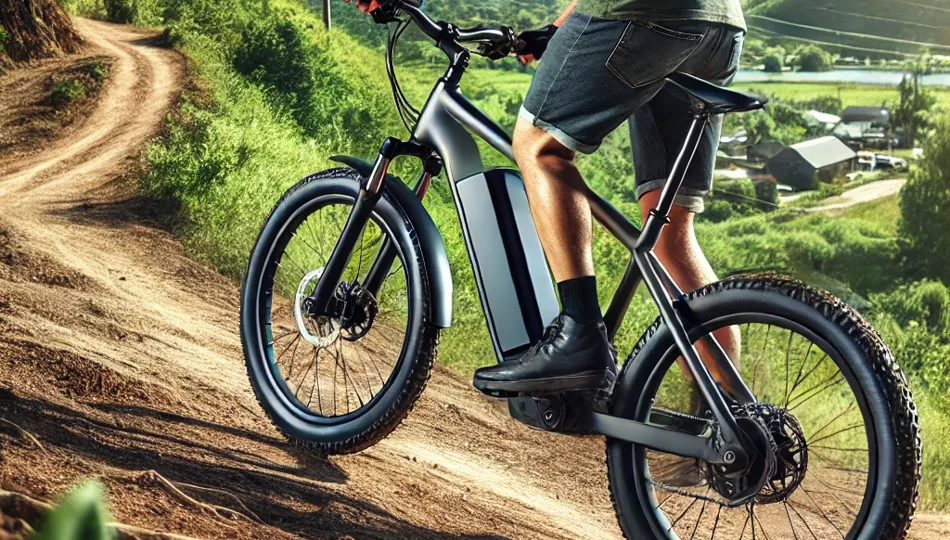
Electric bikes (e-bikes) have surged in popularity, transforming the way people commute and explore the outdoors. But one pressing question remains: Can electric bikes handle steep hills? The short answer is yes – modern electric bikes are more than capable of climbing steep hills. However, their performance depends on several factors, including motor power, battery capacity, rider input, and even the terrain.
In this article, we’ll explore how e-bikes perform on hills, what influences their uphill capabilities, and tips for conquering challenging inclines with ease. Whether you’re a beginner or an experienced rider, this guide will answer all your questions and help you make the most of your e-bike on hilly terrain.
How Electric Bikes Handle Hills: Key Insights
Electric bikes are equipped with powerful motors and pedal-assist systems designed to make climbing hills more manageable. Here’s what you need to know:
- Motor Assistance: E-bikes use either mid-drive motors (located at the crankset) or hub motors (in the wheels). Mid-drive motors are particularly effective for steep hills because they leverage the bike’s gears for increased torque.
- Pedal Assistance Levels: Most e-bikes allow you to choose different levels of assistance. Higher levels provide more power, making climbs easier but draining the battery faster.
- Throttle-Only Option: Some e-bikes feature a throttle, allowing you to ascend hills without pedaling. However, this can significantly reduce battery range on long climbs.
Factors That Affect Electric Bike Hill Performance
1. Motor Power and Torque
The motor is the heart of an electric bike’s hill-climbing ability. Measured in watts (W) and torque (Nm), these specifications determine how well your e-bike can tackle inclines.
- Power Ratings: E-bikes typically range from 250W to 750W. For steep hills, a motor with at least 500W is recommended.
- Torque: Torque, measured in Newton-meters (Nm), affects how efficiently the motor can deliver power. Motors with higher torque (e.g., 70+ Nm) excel at steep climbs.
2. Battery Capacity
Climbing hills requires more energy than riding on flat terrain. A larger battery, measured in watt-hours (Wh), ensures you don’t run out of juice mid-climb. Batteries with capacities of 500Wh or more are ideal for hilly rides.
3. Gearing System
An e-bike’s gears play a crucial role in climbing. Just like a traditional bike, shifting to a lower gear reduces the effort required to pedal uphill. Mid-drive motors excel because they work with the bike’s gears to optimize power delivery.
4. Rider Input
While e-bikes offer pedal assistance, your effort matters too. Combining motor power with consistent pedaling enhances efficiency, extends battery life, and ensures a smoother climb.
5. Terrain and Weight
Steepness, surface type, and overall weight (bike + rider + cargo) impact performance. Loose or uneven terrain, like gravel or mud, demands more torque and battery power than smooth roads.
Tips for Riding an Electric Bike on Steep Hills
To get the best performance on steep hills, follow these actionable tips:
1. Start with Momentum
Approach the hill with a steady speed. Starting from a standstill can strain the motor and drain the battery faster.
2. Choose the Right Assistance Level
Use a higher assistance level for steep inclines but switch to a lower level once the gradient decreases to conserve battery power.
3. Shift to a Lower Gear
Before climbing, downshift to a lower gear to make pedaling easier. This is especially important for mid-drive motor systems.
4. Maintain a Consistent Cadence
Pedaling at a steady rhythm helps the motor work efficiently and reduces strain on the drivetrain.
5. Distribute Your Weight
Leaning slightly forward on steep climbs improves traction and prevents the front wheel from lifting.
6. Monitor Battery Usage
Track your battery levels and plan your route to avoid running out of power. Use eco mode on flat sections to save energy for climbs.
Common Questions About Electric Bikes and Hills
Can Electric Bikes Climb Steep Hills Without Pedaling?
Yes, if your e-bike has a throttle, it can climb without pedaling. However, throttle-only climbing drains the battery quickly and may not be suitable for long or very steep hills.
How Steep of a Hill Can an E-Bike Climb?
Most e-bikes can handle gradients of 10% to 15% with ease. High-torque motors and proper rider technique can conquer even steeper slopes of 20% or more.
Does Rider Weight Affect Hill Performance?
Yes, the combined weight of the rider, bike, and cargo affects performance. Heavier loads require more motor power and can reduce speed on steep inclines.
How Can I Improve My E-Bike’s Hill-Climbing Ability?
- Upgrade to a more powerful motor or larger battery.
- Use lighter tires for better efficiency.
- Regularly maintain your bike to ensure optimal performance.
Do All E-Bikes Perform the Same on Hills?
No, performance varies by motor type, torque output, and gearing. Mid-drive motors generally outperform hub motors on steep hills.
Advantages of Using an Electric Bike on Hills
Electric bikes offer several advantages for hilly terrain:
- Reduced Effort: The pedal-assist system significantly reduces physical strain, making steep climbs accessible to more riders.
- Extended Range: E-bikes allow you to explore longer routes with steep sections without exhausting yourself.
- Improved Confidence: Knowing you have motor assistance can encourage you to tackle challenging routes.
Potential Challenges and How to Overcome Them
While e-bikes excel at hill climbing, they come with a few challenges:
1. Battery Drain
Climbing steep hills consumes a lot of energy. Solution: Plan your rides and carry a spare battery for extended trips.
2. Overheating
Continuous uphill riding can overheat the motor or battery. Solution: Allow your bike to cool during breaks and avoid pushing the motor to its limits.
3. Traction Issues
Loose surfaces can make climbing difficult. Solution: Use tires with better grip and maintain proper weight distribution.
How Different Types of E-Bikes Perform on Hills
Mid-Drive Motor E-Bikes
Mid-drive motors are widely regarded as the best choice for hill climbing. Here’s why:
- Leverages Gears: These motors use the bike’s drivetrain to amplify power, making them incredibly efficient for steep inclines.
- Natural Feel: They deliver smooth power that closely mimics traditional pedaling.
Hub Motor E-Bikes
Hub motors are mounted in the wheels and come in two types:
- Rear Hub Motors: Offer decent hill performance but may struggle with very steep climbs due to limited torque.
- Front Hub Motors: Rare for hill climbing, as they can cause wheel slippage on steep or loose surfaces.
Dual-Motor E-Bikes
Some e-bikes feature motors on both the front and rear wheels, providing excellent traction and power for extreme terrain. These are ideal for steep trails and off-road adventures.
Technical Features That Enhance Hill-Climbing Ability
Torque Sensors vs. Cadence Sensors
- Torque Sensors: Measure how hard you pedal and adjust motor power accordingly, making hill climbing smoother and more efficient.
- Cadence Sensors: Provide motor assistance based on how fast you pedal, which can feel less natural on steep hills.
Tire Selection
Tires influence grip and rolling resistance. For hilly terrain:
- Wide Tires: Offer better grip on loose surfaces like gravel or dirt.
- Narrow Tires: Provide efficiency on paved roads, reducing energy consumption.
Real-Life Scenarios: E-Bikes on Different Hills
Urban Hills
In cities with steep roads, like San Francisco, e-bikes are a practical solution for commuting. Riders can navigate hills efficiently without breaking a sweat.
Mountain Trails
Mountain biking with an e-bike opens new possibilities for exploring rugged trails. Features like suspension and high-torque motors ensure a smooth ride on rocky climbs.
Long Hill Climbs
For long ascents, such as alpine roads, battery management becomes critical. Riders often use eco or medium assist modes to conserve energy over extended climbs.
Myths About Electric Bikes and Hills
Myth 1: E-Bikes Struggle on Steep Hills
Reality: High-quality e-bikes with mid-drive motors excel at climbing steep hills, often outperforming traditional bikes.
Myth 2: You Don’t Need to Pedal
Reality: While some e-bikes have throttle-only modes, pedaling significantly improves efficiency and battery life on hills.
Myth 3: E-Bikes Are Only for Flat Roads
Reality: Advances in motor technology and gearing systems have made e-bikes versatile enough for all terrains.
Environmental and Health Benefits of Climbing Hills with E-Bikes
Using an e-bike to tackle hills isn’t just convenient—it’s also good for you and the environment:
- Lower Carbon Footprint: E-bikes consume far less energy than cars, even on steep climbs.
- Improved Fitness: While the motor provides assistance, pedaling still offers cardiovascular and muscular benefits.
- Accessibility: E-bikes enable older adults or those with physical limitations to enjoy hilly routes.
Comparing E-Bikes to Traditional Bikes on Hills
| Feature | Traditional Bikes | Electric Bikes |
|---|---|---|
| Physical Effort | High | Low to Moderate |
| Speed on Hills | Slower | Faster |
| Battery Dependency | None | High |
| Accessibility | Limited | Broad |
This comparison highlights how e-bikes level the playing field, making steep hills more accessible to all riders.
Advanced Tips for Optimizing Hill Performance
Pre-Ride Preparation
- Check Tire Pressure: Underinflated tires reduce efficiency on climbs.
- Battery Charge: Ensure your battery is fully charged before heading out.
- Route Planning: Use maps or apps to identify the steepest sections and prepare accordingly.
During the Ride
- Keep a Steady Speed: Avoid sudden accelerations to conserve energy.
- Avoid Overheating: Monitor your motor and battery, especially on long climbs.
Post-Ride Maintenance
- Inspect the Motor: Check for any signs of overheating or wear.
- Lubricate the Chain: Hill climbing can put extra strain on the drivetrain.
Why You Should Consider an E-Bike for Hilly Areas
E-bikes aren’t just practical—they’re transformative for hilly environments. Here’s why:
- Effortless Commuting: No more arriving at work drenched in sweat after tackling steep roads.
- Weekend Adventures: Explore mountainous regions without worrying about endurance.
- Cost-Effective Transportation: E-bikes are cheaper than cars and easier to maintain than motorcycles.
Overcoming Common Fears About E-Bike Hill Climbing
Fear: The Battery Won’t Last
Solution: Understand your bike’s range and carry a portable charger or spare battery for longer rides.
Fear: The Bike Might Stall
Solution: Choose an e-bike with a high-torque motor and practice shifting gears to maintain momentum.
Fear: Hills Are Still Too Difficult
Solution: Start with gentle slopes to build confidence, then progress to steeper gradients as you become more comfortable.
Final Thoughts: E-Bikes and Steep Hills
Electric bikes are well-equipped to handle steep hills, thanks to their powerful motors, smart gearing systems, and pedal-assist features. By understanding the factors that affect hill performance and applying the tips shared in this guide, you can confidently tackle even the steepest climbs.
Whether you’re commuting in a hilly city or exploring rugged trails, an e-bike ensures that no hill is too daunting. So gear up, plan your route, and enjoy the ride!