
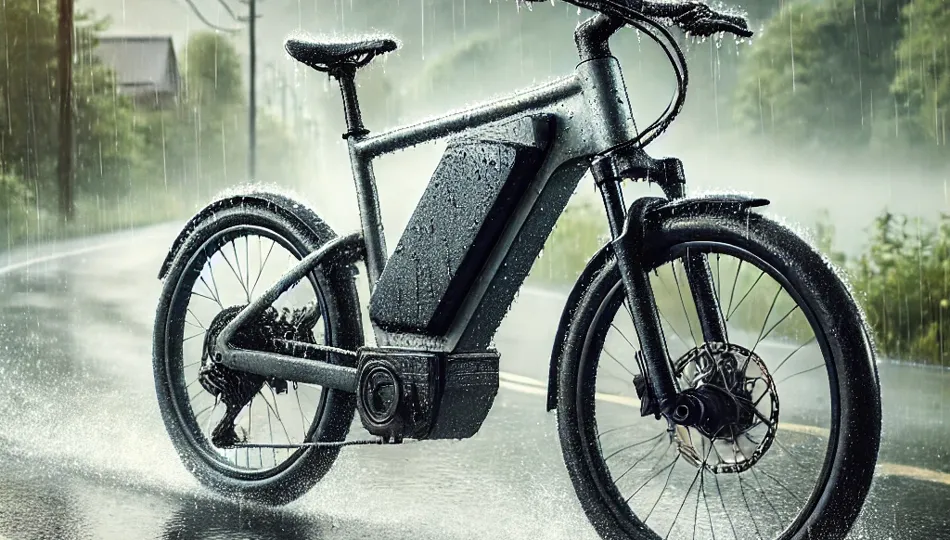
Electric bikes (e-bikes) are becoming an increasingly popular choice for commuting and recreational riding. However, a common concern among new and potential users is whether electric bike batteries are waterproof. The short answer is: most e-bike batteries are water-resistant but not fully waterproof.
This means that while e-bike batteries are designed to handle splashes, rain, and occasional puddles, submerging them in water or exposing them to extreme conditions can lead to damage. In this guide, we’ll dive deeper into what makes e-bike batteries water-resistant, how they fare in wet conditions, and tips for protecting your battery in various weather scenarios.
What Does Waterproof vs. Water-Resistant Mean for E-Bike Batteries?
When manufacturers label e-bike batteries as water-resistant, it indicates that the battery can withstand some exposure to water but isn’t entirely impervious to it. Understanding the difference between waterproof and water-resistant is crucial:
- Waterproof: The battery is completely sealed and can survive submersion without damage.
- Water-Resistant: The battery can handle light exposure to water, such as rain or splashes, but may fail if submerged or exposed to prolonged wet conditions.
Electric bike batteries typically fall into the water-resistant category. Their casing and connectors are designed to keep water out under normal riding conditions.
How Do You Know If Your E-Bike Battery is Water-Resistant?
Manufacturers often use an IP (Ingress Protection) rating to indicate how resistant a battery is to water and dust. The IP rating consists of two numbers:
- The first number indicates protection against solids like dust (e.g., 6 = dust-tight).
- The second number shows water resistance (e.g., 5 = resistant to water jets, 7 = resistant to immersion).
For example, an IP65 rating means the battery is dust-tight and resistant to water jets. Check your e-bike’s documentation or the manufacturer’s website to find its IP rating.
Can You Ride an Electric Bike in the Rain?
Yes, you can ride an electric bike in the rain, but there are precautions to consider. Most e-bikes, including their batteries, are built to handle light to moderate rain. Key factors to ensure safe riding include:
- Battery Protection: Ensure the battery casing is securely closed and that there are no exposed ports or wires.
- Display and Controls: Many e-bike displays and controllers are also water-resistant but avoid direct water pressure.
- Riding Technique: Avoid deep puddles or flooding, as submerging parts of the e-bike can lead to malfunctions.
Tips to Protect Your Electric Bike Battery in Wet Weather
To maximize your battery’s lifespan and performance during rainy or wet rides, follow these practical tips:
- Check Seals and Ports: Before riding, inspect your battery and e-bike for any loose seals or open ports. Use rubber covers or plugs if provided.
- Avoid Submersion: Stay away from areas where the bike could be submerged, such as deep puddles or streams.
- Use a Battery Cover: Consider investing in a water-resistant battery cover for additional protection.
- Dry After Rides: After riding in wet conditions, wipe down your battery and connectors with a dry cloth to remove moisture.
- Store Indoors: When not in use, store your bike and battery in a dry, sheltered area to prevent long-term exposure to humidity.
What Happens If an E-Bike Battery Gets Wet?
While e-bike batteries are designed to resist water ingress, excessive moisture can lead to serious problems, including:
- Short Circuits: Water inside the battery can cause electrical shorts, potentially damaging the cells or rendering the battery unusable.
- Corrosion: Prolonged exposure to moisture can corrode connectors, leading to poor performance.
- Reduced Efficiency: Moisture buildup may temporarily impact the battery’s ability to hold a charge.
If your battery gets wet, remove it from the bike, dry it thoroughly, and allow it to rest before reattaching or using it.
FAQs About E-Bike Batteries and Waterproofing
Can I Wash My Electric Bike?
Yes, but avoid using high-pressure water near the battery, motor, or electronic components. Instead, use a damp cloth or a low-pressure hose to clean your bike.
What Should I Do if My Battery Gets Submerged?
If your e-bike battery is submerged, remove it immediately and dry it with a clean towel. Do not attempt to use it until it has been inspected by a professional to ensure safety.
Do All E-Bikes Have the Same Water Resistance?
No, water resistance varies by brand and model. High-end e-bikes often have better seals and higher IP ratings, while budget models may offer less protection.
Is It Safe to Charge a Wet Battery?
No, charging a wet battery can be dangerous. Always ensure the battery and charging port are completely dry before plugging it in.
Can I Upgrade My Battery for Better Waterproofing?
While you can’t easily change a battery’s waterproofing, you can improve its protection by using waterproof covers or upgrading to a model with a higher IP rating.
Best Practices for Long-Term Battery Care
To keep your battery performing at its best, follow these general maintenance tips:
- Regular Inspections: Check your battery for any cracks, damage, or loose seals.
- Avoid Extreme Temperatures: Store and use your battery within the recommended temperature range (usually 32°F to 104°F or 0°C to 40°C).
- Charge Smartly: Don’t overcharge or leave your battery plugged in for extended periods.
- Use Approved Accessories: Only use chargers and components approved by the manufacturer.
Real-Life Scenarios: How Waterproofing Affects Everyday Use
Commuting in the Rain
For urban commuters, light rain is often unavoidable. E-bikes designed for city use typically have sufficient water resistance for such conditions. Adding fenders to your bike can further reduce water splashing onto the battery.
Trail Riding Through Streams
Off-road e-bikes often encounter wet terrain, including streams and muddy paths. While these bikes are built tougher, it’s crucial to avoid fully submerging the motor or battery.
Long-Term Storage in Humid Areas
If you live in a humid climate, consider using silica gel packs or a dehumidifier in your storage space to minimize moisture exposure.
Comparing E-Bike Batteries with Other Electric Devices
| Feature | E-Bike Batteries | Smartphones | Laptops |
|---|---|---|---|
| Water Resistance | Moderate (IP-rated) | Low to Moderate (IP68) | Low |
| Durability | High (rigid casing) | Moderate | Moderate |
| Maintenance Needs | Moderate (clean seals) | Low | Low |
This comparison highlights that e-bike batteries are more robust than most portable electronics but still require care.
Why Understanding Battery Waterproofing Matters
Knowing whether your e-bike battery is waterproof or water-resistant helps you make informed decisions about where and when to ride. It also ensures you take the necessary precautions to protect your investment.
Waterproofing plays a significant role in:
- Battery Longevity: Proper care prevents water damage and extends battery life.
- Safety: Avoiding electrical shorts or failures ensures safe operation.
- Ride Reliability: A well-maintained battery performs consistently, even in adverse weather.
Can Prolonged Rain Exposure Reduce Battery Efficiency?
Riding in rain for extended periods doesn’t just risk water damage—it can also temporarily reduce battery efficiency. Prolonged exposure to moisture can cool down the battery’s cells, making them less efficient at providing power. Over time, recurring moisture exposure may lead to condensation inside the battery casing, which can corrode internal components. Riders who frequently face long rainy rides should prioritize waterproofing measures like using a protective cover or investing in an e-bike with a high IP rating.
Conclusion
While most e-bike batteries are not fully waterproof, their water-resistant design allows them to handle rain and light splashes with ease. By understanding your battery’s limitations and taking proactive measures, you can confidently ride in various weather conditions without compromising safety or performance.
Whether you’re commuting, trail riding, or exploring new routes, keeping your battery protected ensures your e-bike remains a reliable and enjoyable mode of transport. Always remember: a little care goes a long way in extending the life of your e-bike battery!