
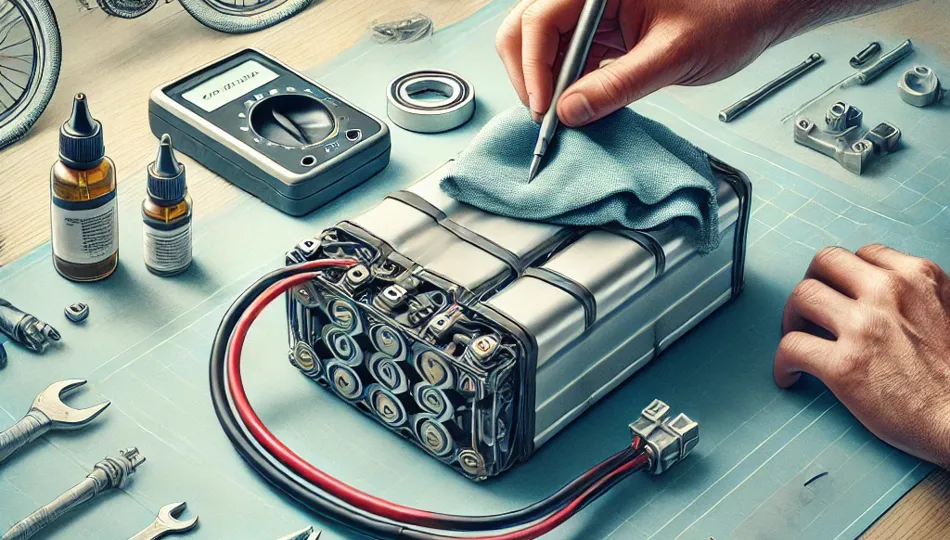
The battery is the heart of your electric bike (e-bike), and maintaining it properly is key to ensuring maximum longevity and consistent performance. But how do you effectively care for an e-bike battery? The answer lies in understanding the basics of battery technology, proper usage habits, and routine maintenance.
This guide provides practical, actionable tips to help you extend the lifespan of your e-bike battery, saving you money and keeping your bike running smoothly for years to come.
Why Battery Maintenance is Important
Electric bike batteries, typically lithium-ion, degrade over time with usage. Proper maintenance can slow this process, leading to several benefits:
- Increased Lifespan: A well-maintained battery can last 3–5 years or longer.
- Improved Range: Consistent care ensures the battery holds its charge efficiently.
- Cost Savings: Batteries are among the most expensive e-bike components, so extending their life saves money.
- Reliable Performance: A healthy battery delivers consistent power and smoother rides.
By following the tips outlined below, you can maximize these benefits and enjoy a hassle-free riding experience.
Key Tips for Maintaining Your E-Bike Battery
Charge Smartly
- Avoid Full Drains: Lithium-ion batteries perform best when kept between 20% and 80% charge. Regularly draining the battery completely can reduce its lifespan.
- Unplug When Fully Charged: Overcharging can cause heat buildup and damage the battery over time. Use a charger with an automatic shutoff feature if possible.
- Charge After Rides: For optimal performance, charge your battery after each ride, especially if it drops below 50%.
- Avoid Frequent Short Charges: Constantly topping up a nearly full battery can increase wear on its cells.
Store Properly
- Keep in a Cool, Dry Place: Heat accelerates battery degradation, so avoid storing your battery in direct sunlight or hot environments.
- Avoid Extreme Cold: Freezing temperatures can cause the battery to lose capacity temporarily or permanently. If riding in winter, bring the battery indoors when not in use.
- Store at Partial Charge: For long-term storage, keep the battery at around 50% charge. This minimizes cell stress and prevents deep discharges.
Protect From Water and Dust
- Inspect Seals and Ports: Ensure the battery casing and ports are clean and free from moisture.
- Use Protective Covers: If riding in wet or dusty conditions, use a waterproof cover to shield the battery.
- Clean Gently: Use a soft, dry cloth to clean the battery. Avoid using high-pressure water or abrasive materials.
Avoid Overheating
- Monitor Charging Environment: Charge your battery in a well-ventilated space to prevent overheating.
- Don’t Overload the Bike: Excessive weight or prolonged use of high-assist modes can overwork the battery and increase heat.
Extending E-Bike Battery Lifespan: Additional Strategies
Ride Efficiently
- Use Pedal Assistance Wisely: Combine motor power with pedaling to reduce strain on the battery.
- Plan Your Route: Avoid steep hills or heavy acceleration, which drain the battery faster.
Regular Inspections
- Check for Damage: Look for signs of wear, swelling, or cracks in the battery casing.
- Inspect Connectors: Ensure all connections are secure and free from corrosion.
Avoid Overloading Accessories
- Limit Add-Ons: Running too many power-hungry accessories (e.g., lights, GPS, USB chargers) from the battery can shorten its lifespan.
- Use Dedicated Power Sources: Where possible, use independent power sources for accessories.
Schedule Professional Maintenance
- Annual Checkups: Have your battery inspected by a professional technician at least once a year.
- Balance Cells: Some e-bikes allow for cell balancing to optimize charge distribution. Consult a technician for this service.
FAQs About E-Bike Battery Maintenance
How Long Does an E-Bike Battery Last?
With proper care, an e-bike battery can last 3–5 years or 500–1,000 charge cycles. Regular maintenance can extend this range.
Can I Leave My Battery on the Bike?
Yes, but if you’re storing your bike for an extended period, it’s better to remove the battery and store it in a controlled environment.
What’s the Best Temperature Range for E-Bike Batteries?
The ideal temperature for battery operation is between 32°F and 104°F (0°C to 40°C). Extreme temperatures can affect performance and longevity.
How Do I Know If My Battery Needs Replacing?
Signs of a failing battery include significantly reduced range, difficulty charging, or visible damage like swelling.
Can I Use a Different Charger for My E-Bike?
It’s best to use the charger recommended by your e-bike’s manufacturer. Using an incompatible charger can damage the battery and void the warranty.
Real-Life Examples of Battery Maintenance
Commuter Success Story
A city commuter used their e-bike daily for three years. By consistently charging the battery after rides, avoiding extreme heat, and scheduling annual checkups, they maintained 90% of the battery’s original capacity.
Trail Rider Tips
An avid trail rider frequently exposed their e-bike to mud and water. By using waterproof covers, drying the battery after each ride, and storing it indoors, they avoided corrosion and prolonged its lifespan.
Winter Storage Strategy
A rider in a cold climate stored their bike indoors during winter. By keeping the battery at partial charge and in a temperature-controlled space, they ensured optimal performance come spring.
Continue
Troubleshooting Common E-Bike Battery Problems
Even with proper care, you may encounter issues with your e-bike battery. Here’s how to address some common problems:
Battery Not Charging
- Check the Charger: Ensure the charger is functioning correctly. Test it with another compatible battery if possible.
- Inspect Connections: Look for dirt, moisture, or corrosion on the battery and charger terminals. Clean them gently with a dry cloth.
- Temperature Issues: Batteries may not charge if they are too hot or cold. Allow the battery to return to room temperature before charging.
Reduced Range
- Evaluate Riding Habits: Heavy use of high-assist modes or aggressive riding can drain the battery faster. Adjust your riding style for better efficiency.
- Inspect the Battery: If the battery loses range quickly despite proper use, it may be nearing the end of its lifespan. Consider replacing it.
Battery Overheating
- Limit High Power Modes: Constant use of maximum assist can cause overheating. Alternate between low and medium power settings.
- Avoid Direct Sunlight: Charging or riding in direct sunlight can cause the battery to overheat. Opt for shaded areas.
Loose or Damaged Connections
- Secure Terminals: Check that the battery is securely mounted to the bike. Loose connections can lead to intermittent power delivery.
- Repair or Replace: If connectors are damaged, consult a professional for repair or replacement.
Swelling or Leaking Battery
- Do Not Use: A swollen or leaking battery is a safety hazard. Disconnect it from the bike and avoid charging.
- Contact a Professional: Seek immediate assistance from an authorized technician or retailer.
Environmental Impact of E-Bike Battery Care
Proper battery maintenance isn’t just about performance—it also helps reduce environmental impact. By extending the lifespan of your battery, you can:
- Reduce E-Waste: Fewer battery replacements mean less waste in landfills.
- Minimize Resource Extraction: Lithium-ion batteries require rare minerals like lithium and cobalt, so maximizing battery life helps conserve these resources.
- Improve Recycling Potential: A well-maintained battery is easier to recycle because it retains more usable materials.
Recycling Tips for E-Bike Batteries
- Locate Recycling Centers: Many e-bike retailers and manufacturers offer recycling programs.
- Follow Local Guidelines: Check local regulations for battery disposal to ensure compliance.
- Transport Safely: Use non-conductive packaging to safely transport damaged or end-of-life batteries.
Comparing Battery Maintenance Across Different E-Bike Types
| E-Bike Type | Maintenance Needs | Typical Battery Lifespan | Common Challenges |
|---|---|---|---|
| Commuter E-Bikes | Moderate (frequent charging) | 3–5 years | Overcharging, urban heat exposure |
| Mountain E-Bikes | High (exposure to elements) | 3–4 years | Water and mud damage |
| Folding E-Bikes | Low to Moderate | 3–5 years | Frequent disconnections |
| Cargo E-Bikes | High (heavy loads) | 2–4 years | Strain from high power demands |
This table highlights the unique maintenance considerations for various e-bike types.
Advanced Tips for Long-Term Battery Care
For riders who want to go the extra mile in extending their battery’s lifespan, these advanced tips can make a difference:
Balance the Cells
Some batteries allow for cell balancing, which ensures that all individual cells are charged equally. This prevents weaker cells from degrading faster and can extend overall lifespan. Consult a technician for professional balancing.
Monitor Battery Health
Use a battery monitoring app or diagnostic tool to track the health of your battery over time. Some e-bikes come with built-in systems that display voltage, charge cycles, and temperature, allowing you to identify issues early.
Avoid Overloading Accessories
Heavy use of accessories like lights, speakers, or GPS systems that draw power from the battery can shorten its lifespan. Consider using separate power sources for these devices or limiting their usage during rides.
Keep Firmware Updated
If your e-bike has software-controlled components, ensure the firmware is up to date. Manufacturers often release updates that optimize battery management and improve performance.
Real-Life Benefits of Proper Battery Care
Proper battery maintenance isn’t just theoretical—it can lead to tangible benefits:
- Longer Lifespan: Riders who follow maintenance best practices often see their batteries lasting beyond the average 3–5 years.
- Cost Savings: Avoiding premature replacements saves hundreds of dollars over the bike’s lifespan.
- Consistent Performance: Regular care ensures that your bike delivers reliable power and range on every ride.
Frequently Asked Questions About E-Bike Battery Care
How Often Should I Charge My E-Bike Battery?
Charge your battery after every ride, especially if its charge drops below 50%. Avoid letting the battery fully deplete, as this can shorten its lifespan.
Can I Leave My Battery Plugged In Overnight?
While many modern chargers are designed to stop charging once the battery is full, it’s better to unplug the charger after a complete charge to prevent unnecessary stress on the cells.
What Happens if My Battery Gets Wet?
Most e-bike batteries are water-resistant, but prolonged exposure to water can cause damage. Dry the battery thoroughly and avoid charging it until all moisture is removed.
How Can I Tell If My Battery is Losing Capacity?
A noticeable decrease in range or inconsistent power delivery are signs that the battery may be degrading. Use a battery diagnostic tool or consult a technician to assess its health.
Is It Safe to Store My Battery in the Cold?
It’s best to store the battery indoors in a temperature-controlled environment. If you must leave it in the cold, ensure it’s insulated and keep it partially charged.
Planning for Battery Replacement
Even with the best care, e-bike batteries eventually need replacement. Here’s how to prepare for this inevitable step:
- Budget for a Replacement: High-quality e-bike batteries can cost $300–$1,000 or more. Plan financially for this investment.
- Recycle Responsibly: Find certified recycling programs to dispose of your old battery safely.
- Upgrade Smartly: When replacing, consider upgrading to a battery with a higher capacity for increased range and performance.
By planning ahead, you can ensure a seamless transition when it’s time for a new battery.
Conclusion
Maintaining your electric bike battery is crucial for maximizing its lifespan, ensuring reliable performance, and reducing environmental impact. By charging smartly, storing correctly, protecting against external factors, and following routine maintenance practices, you can enjoy years of efficient riding without the expense of premature replacements.
Whether you’re a daily commuter, an off-road adventurer, or a casual weekend rider, these tips will help you get the most out of your e-bike battery. Remember, a little care goes a long way in preserving both your investment and the environment. Ride smart and stay charged!