
Electric bike (e-bike) conversion kits are a popular option for riders who want to transform their traditional bikes into motor-assisted machines. But are these kits worth it? The answer depends on your goals, budget, and the type of riding experience you’re after.
This guide delves into the advantages and disadvantages of e-bike conversion kits, explores their legal considerations, and provides insights to help you decide if a conversion kit is the right choice for you.
What Are Electric Bike Conversion Kits?
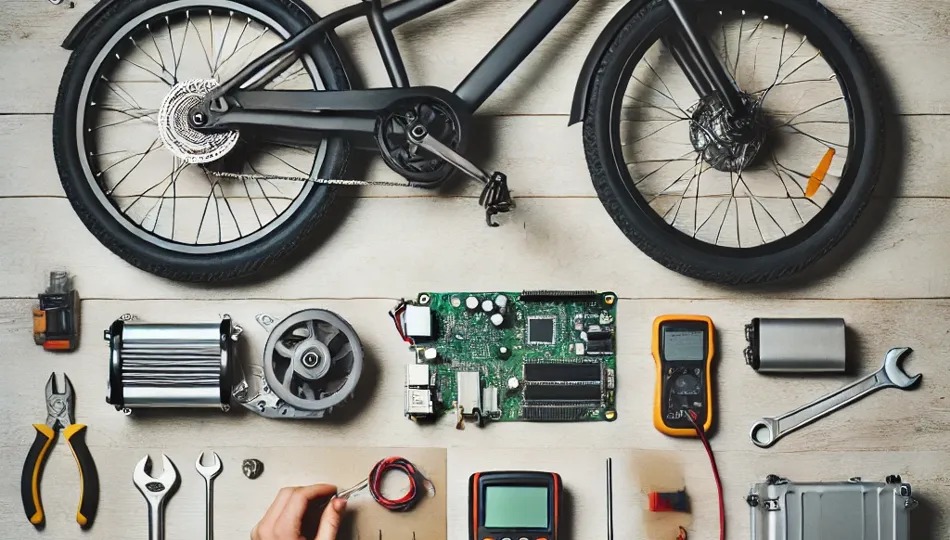
An electric bike conversion kit is a set of components designed to add motor assistance to a regular bicycle. These kits typically include:
- Motor: Mounted on the wheel hub, crankset, or frame.
- Battery: Powers the motor and determines range and performance.
- Controller: Manages the power flow between the battery and motor.
- Display or Throttle: Allows the rider to control speed and assistance levels.
- Sensors: Such as pedal-assist or cadence sensors, which detect movement and activate the motor.
These kits come in a variety of configurations, allowing riders to customize their bikes according to their needs.
Pros of Electric Bike Conversion Kits
Cost-Effectiveness
One of the biggest advantages of conversion kits is their affordability compared to purchasing a new e-bike. While a high-quality e-bike can cost thousands of dollars, many conversion kits are available at a fraction of that price.
Customization Options
With a conversion kit, you can choose the motor type, battery capacity, and features that suit your riding style. This level of customization isn’t always possible with pre-built e-bikes.
Retaining Your Current Bike
If you’re attached to your current bicycle, a conversion kit lets you upgrade it rather than replacing it. This is particularly appealing for riders with high-quality traditional bikes.
Environmental Benefits
Converting an existing bike into an e-bike reduces waste by reusing the bike’s frame and components. This makes it a more sustainable option compared to buying a new e-bike.
Flexibility
Conversion kits give you the flexibility to remove the motor and battery if you wish to revert your bike to its original form. This is useful for riders who may not always need motor assistance.
Cons of Electric Bike Conversion Kits
Installation Complexity
Installing a conversion kit can be challenging, especially for those without mechanical experience. It may require special tools, time, and effort to fit the components correctly.
Compatibility Issues
Not all bikes are compatible with conversion kits. Factors like frame size, material, and wheel design can limit your options. Ensuring a proper fit may require additional adjustments or parts.
Aesthetics
Conversion kits can alter the appearance of your bike. Bulky motors and external batteries may not blend seamlessly with the bike’s design, which could be a downside for some riders.
Weight Distribution
Adding a motor and battery increases the bike’s weight, potentially affecting balance and handling. Poor weight distribution can make the bike harder to control, especially on steep climbs or technical trails.
Maintenance Requirements
DIY e-bikes may require more maintenance than factory-built models. Troubleshooting issues like motor malfunctions or loose wiring could become a regular task.
Types of Electric Bike Conversion Kits
Understanding the different types of conversion kits can help you choose the right one for your bike and needs:
Front Hub Motor Kits
- Description: The motor is mounted on the front wheel hub.
- Pros: Simple to install, affordable, and provides a balanced ride.
- Cons: Can cause front-wheel slippage, especially on loose or wet surfaces.
Rear Hub Motor Kits
- Description: The motor is installed on the rear wheel hub.
- Pros: Offers better traction and more natural handling.
- Cons: More complex to install and may affect gear compatibility.
Mid-Drive Motor Kits
- Description: The motor is located at the bike’s crankset.
- Pros: Superior power and efficiency, ideal for steep climbs and off-road use.
- Cons: Expensive and requires more advanced installation skills.
All-in-One Wheel Kits
- Description: Combines the motor, battery, and controller into a single wheel.
- Pros: Simplifies installation and reduces clutter.
- Cons: Limited customization options and heavier wheel weight.
Legal Considerations for Electric Bike Conversion Kits
Before converting your bike, it’s essential to understand the legal implications in your area. Here are key factors to consider:
Speed and Power Limits
Many regions regulate the maximum speed and power output of e-bikes. For example:
- In the U.S., e-bikes are often limited to 20–28 mph and 750W.
- In the EU, the limit is typically 25 km/h (15.5 mph) and 250W.
Ensure your conversion kit complies with local laws to avoid fines or restrictions.
Classification and Licensing
In some jurisdictions, converted e-bikes may be classified differently from factory-built models. This could affect whether you need a license, insurance, or registration.
Safety Standards
Check that the conversion kit meets safety standards for electrical and mechanical components. Using uncertified kits can pose risks and may void your bike’s warranty.
Off-Road vs. On-Road Use
Some high-power conversion kits are only legal for off-road use. If you plan to ride on public roads, ensure your kit adheres to the required specifications.
FAQs About Electric Bike Conversion Kits
Are Electric Bike Conversion Kits Legal Everywhere?
Laws vary by region. Always check local regulations regarding speed limits, power output, and road classification.
How Much Does a Conversion Kit Cost?
Prices range from £300 to £1,500, depending on the quality and features of the kit.
Can I Install a Conversion Kit Myself?
Yes, but installation can be complex. If you’re not confident in your skills, consider seeking professional assistance.
Will a Conversion Kit Affect My Bike’s Durability?
If installed correctly, a conversion kit shouldn’t damage your bike. However, the added weight and stress may require more frequent maintenance.
Do Conversion Kits Come with a Warranty?
Most reputable kits include a warranty for the motor and battery. Always verify this before purchasing.
Factors to Consider Before Buying an Electric Bike Conversion Kit
Choosing the right conversion kit involves evaluating several factors to ensure it meets your needs. Here’s what to keep in mind:
Riding Goals
Think about how you plan to use your e-bike:
- Commuting: A lightweight hub motor kit with moderate power (250–500W) may suffice for urban commuting.
- Off-Roading: A mid-drive motor with higher torque is better suited for rugged terrain and steep inclines.
- Long-Distance Rides: Choose a kit with a high-capacity battery to maximize range.
Compatibility with Your Bike
Not all kits fit all bikes. Check for:
- Frame Design: Ensure your bike frame has enough space to mount the motor and battery.
- Wheel Size: Select a kit designed for your bike’s wheel dimensions.
- Brake System: Some kits may not work with certain braking systems, like coaster brakes.
Battery Type and Capacity
The battery is a critical component of your conversion kit. Consider the following:
- Voltage and Watt-Hours (Wh): Higher voltage (e.g., 36V or 48V) and capacity (e.g., 500Wh) translate to better performance and range.
- Mounting Options: Decide whether you prefer a frame-mounted, rack-mounted, or bottle-style battery.
Motor Placement
Where you place the motor affects the bike’s handling and performance:
- Front Hub Motors: Easy installation but may affect steering.
- Rear Hub Motors: Improved traction but can make wheel removal more complicated.
- Mid-Drive Motors: Central weight distribution for better balance but requires more advanced installation.
Budget
Conversion kits range widely in price. Determine your budget and balance cost with quality to avoid sacrificing reliability for affordability.
Comparing Conversion Kits to Pre-Built E-Bikes
| Feature | Conversion Kits | Pre-Built E-Bikes |
|---|---|---|
| Cost | Lower upfront cost | Higher initial investment |
| Customization | Highly customizable | Limited options |
| Ease of Use | Requires installation | Ready to ride |
| Aesthetics | May look less polished | Seamless design |
| Compatibility | Depends on bike model | Fully integrated systems |
| Resale Value | Lower resale value | Higher resale value |
This comparison highlights the trade-offs between upgrading an existing bike and purchasing a purpose-built e-bike.
Real-Life Stories: Success and Challenges with Conversion Kits
A Budget-Friendly Commuter Upgrade
A college student converted their old hybrid bike into an e-bike using a front hub motor kit. With a modest investment of £500, they now enjoy a reliable, eco-friendly commute. The student reported minor challenges during installation but ultimately found the kit to be a cost-effective solution.
Off-Road Enthusiast’s Experience
An avid mountain biker opted for a mid-drive conversion kit to tackle steep trails. The motor provided excellent torque, but the installation process required professional assistance due to compatibility issues with their full-suspension frame.
Aesthetics vs. Functionality
A casual rider installed a rear hub motor kit on their vintage cruiser bike. While the motor and battery significantly improved performance, the rider felt the bulky components detracted from the bike’s classic aesthetic.
Maintenance and Troubleshooting for DIY E-Bikes
Converted e-bikes often require more maintenance than factory-built models. Here are tips to keep your DIY e-bike running smoothly:
Routine Checks
- Inspect Wiring: Ensure all connections are secure and free from corrosion.
- Monitor Battery Health: Check for swelling, reduced capacity, or overheating.
- Check Motor Alignment: Misaligned motors can cause uneven wear or vibrations.
Common Issues and Solutions
- Motor Not Engaging: Check the controller, throttle, and sensors for proper connections.
- Reduced Range: Test the battery for capacity loss and ensure tires are inflated to the recommended pressure.
- Unusual Noises: Inspect the motor and drivetrain for debris or loose components.
Professional Assistance
If troubleshooting doesn’t resolve the issue, consult a professional technician who specializes in e-bike conversions. Regular checkups can prevent small problems from escalating into costly repairs.
Environmental Impact of Electric Bike Conversions
Converting an existing bike into an e-bike is an environmentally friendly choice. Here’s why:
- Reduced Manufacturing Footprint: Reusing an existing bike minimizes the demand for new frames and materials.
- Longer Lifespan: Extending the utility of your bike reduces waste.
- Eco-Friendly Commuting: Electric bikes produce zero emissions, contributing to cleaner air.
By choosing a conversion kit, you’re not only saving money but also supporting sustainable transportation practices.
When a Conversion Kit May Not Be the Right Choice
While conversion kits have many benefits, they aren’t ideal for everyone. Here are scenarios where a pre-built e-bike might be better:
- Limited Technical Skills: If you’re uncomfortable with mechanical or electrical work, installation could be a challenge.
- Need for Warranty: Factory-built e-bikes often come with comprehensive warranties for the motor, battery, and frame.
- Desire for Seamless Design: Pre-built e-bikes offer a polished look with integrated components.
- Specific Riding Requirements: High-performance e-bikes may provide features that conversion kits can’t match, such as advanced suspension or built-in displays.
Conclusion: Worth It?
Electric bike conversion kits can be a fantastic option for those looking to upgrade their existing bicycle without breaking the bank. They offer customization, flexibility, and a cost-effective alternative to buying a pre-built e-bike. However, they do come with challenges, including installation complexity, potential compatibility issues, and the need for ongoing maintenance.
If you’re mechanically inclined, enjoy DIY projects, or want to extend the life of your current bike, a conversion kit could be the perfect solution. On the other hand, if you prefer a polished, plug-and-play experience, investing in a factory-built e-bike might be a better fit.
Ultimately, the choice depends on your budget, riding goals, and willingness to put in the effort required for a successful conversion. By understanding the pros, cons, and legal considerations outlined in this guide, you can make an informed decision and enjoy the benefits of electric-assisted riding.