
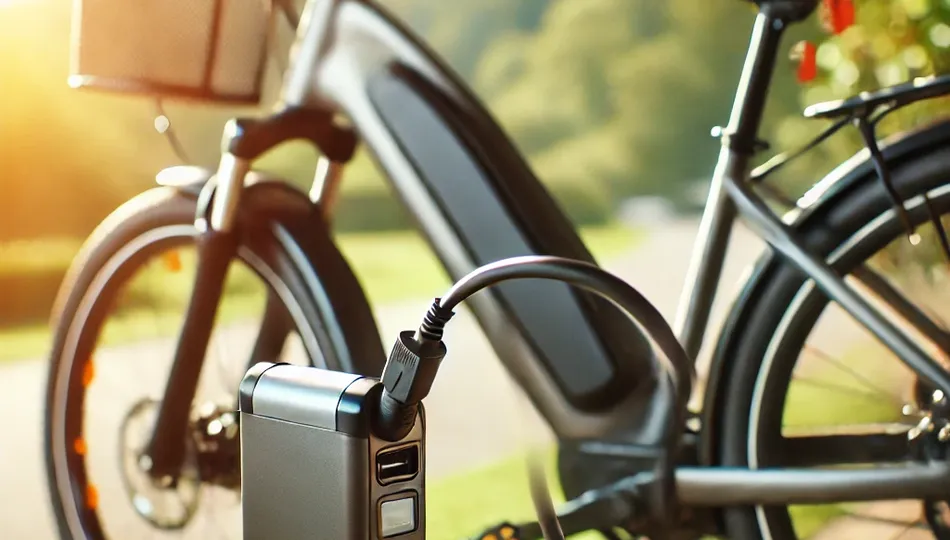
Electric bikes (e-bikes) are an excellent eco-friendly and convenient way to get around, but like any device, they can encounter technical issues. One of the most common problems riders face is a battery that won’t charge. This issue can be frustrating, especially if you rely on your e-bike for daily commuting or outdoor adventures.
If your electric bike isn’t charging, don’t panic. There are several steps you can take to troubleshoot and fix the problem. This article will guide you through identifying the cause of the issue, exploring possible solutions, and preventing future charging problems.
Why Isn’t My Electric Bike Charging?
The first step in fixing a charging problem is understanding the possible causes. Common reasons include:
- Faulty charger or damaged charging cable
- Loose or dirty battery connections
- Internal battery issues, such as cell degradation
- Problems with the e-bike’s charging port
- Electrical issues in the power source
Identifying the root cause will help you determine the most appropriate solution.
Steps to Troubleshoot a Non-Charging Electric Bike
Check the Power Source
Before diving into complex fixes, start with the basics.
- Ensure the outlet you’re using works by testing it with another device.
- Avoid using extension cords or power strips that might not deliver sufficient power.
- Check for power fluctuations, as inconsistent voltage can interfere with charging.
Inspect the Charger
The charger is a common culprit when an e-bike stops charging.
- Look for visible damage, such as frayed wires or a cracked casing.
- Test the charger with another compatible e-bike battery if possible.
- Use a multimeter to measure the output voltage of the charger to ensure it’s delivering the correct power level.
If the charger is faulty, replacing it may resolve the issue.
Examine the Battery Connections
Loose or dirty connections can prevent the battery from charging properly.
- Disconnect the battery and inspect the terminals for dirt, corrosion, or debris.
- Use a clean, dry cloth or a small brush to clean the contacts.
- Reattach the battery securely, ensuring all connections are tight.
Test the Charging Port
The charging port on your e-bike may also be at fault.
- Inspect the port for visible damage or debris.
- Use compressed air to remove dust or dirt from the port.
- Check that the charging cable fits snugly and doesn’t wiggle when plugged in.
If the port is damaged, professional repair may be required.
Assess the Battery’s Health
Over time, e-bike batteries degrade and may no longer hold a charge effectively.
- Check the battery’s age and usage history; most lithium-ion batteries last 3-5 years.
- Look for signs of swelling, overheating, or leaks, which indicate a failing battery.
- Test the battery with another charger to rule out issues with the e-bike itself.
If the battery is damaged or degraded, replacing it is often the best option.
How to Fix Common E-Bike Charging Problems
Replacing a Faulty Charger
If your charger isn’t working, purchase a replacement that matches your e-bike’s specifications. Using a charger that delivers the wrong voltage or current can damage your battery.
Repairing or Replacing the Charging Port
A damaged charging port requires professional attention. Visit an authorized service center to ensure the repair is done correctly.
Restoring Battery Connections
Regular maintenance of the battery terminals can prevent connection issues. If cleaning doesn’t work, you may need to replace the connectors or battery cradle.
Resetting the Battery Management System (BMS)
Many e-bike batteries have a built-in Battery Management System (BMS) that protects against overcharging and overheating. Occasionally, the BMS may need a reset.
- Disconnect the battery from the bike.
- Let it rest for about 30 minutes to reset the system.
- Reconnect the battery and try charging it again.
Preventing E-Bike Charging Problems
Proper Charger Storage
- Store your charger in a cool, dry place to avoid damage from moisture or heat.
- Avoid coiling the cable tightly, as this can lead to internal wire breakage.
Regular Battery Maintenance
- Charge the battery regularly, even during periods of inactivity, to maintain its health.
- Avoid fully depleting the battery, as deep discharges can shorten its lifespan.
- Store the battery in a climate-controlled environment, ideally between 50-77°F (10-25°C).
Protecting the Charging Port
- Keep the port covered when not in use to prevent dust and water ingress.
- Avoid forcing the charger plug into the port to reduce the risk of damage.
Using Compatible Accessories
- Always use chargers and batteries recommended by your e-bike manufacturer.
- Third-party components may not be designed for your bike and could lead to compatibility issues.
FAQs About Electric Bike Charging Issues
Why Does My E-Bike Charger Get Hot?
A charger may heat up slightly during normal use, but excessive heat could indicate a problem. Ensure the charger is on a hard, flat surface for proper ventilation, and avoid charging in direct sunlight.
How Long Should an E-Bike Battery Last?
Most lithium-ion e-bike batteries last 3-5 years or 500-1,000 charge cycles, depending on usage and maintenance. If your battery isn’t holding a charge within this timeframe, it may need replacing.
Can I Overcharge My E-Bike Battery?
Modern e-bike batteries typically have built-in protections to prevent overcharging. However, it’s still a good idea to unplug the charger once the battery is fully charged to avoid unnecessary wear.
What Should I Do If My Battery Is Swollen?
A swollen battery is a serious issue that requires immediate attention. Stop using the battery, avoid charging it, and contact your e-bike manufacturer or a professional service center for safe disposal.
Dealing With Persistent Charging Problems
If you’ve tried all the troubleshooting steps and your electric bike still won’t charge, it’s time to escalate the issue. Here’s what to do next:
Contact the Manufacturer or Dealer
Reach out to your e-bike’s manufacturer or dealer for advice. They may:
- Provide insights specific to your bike model.
- Offer warranty coverage if your battery or charger is still under warranty.
- Recommend authorized repair centers for professional assistance.
Visit a Professional Service Center
Sometimes, diagnosing and fixing charging problems requires specialized tools and expertise. A service center can:
- Perform a comprehensive diagnostic test on your bike, battery, and charger.
- Repair or replace faulty components.
- Test compatibility with replacement chargers or batteries.
Consider Upgrading Your Battery
If your battery is outdated or severely degraded, replacing it with a newer model can improve performance and extend your e-bike’s lifespan. Before purchasing, confirm the compatibility of the new battery with your bike.
Exploring Alternative Charging Options
In some cases, charging problems may stem from a lack of access to reliable power sources. Here are a few alternative solutions:
Solar Charging
Portable solar chargers are an eco-friendly option for keeping your e-bike powered in remote areas. Ensure the solar panel’s output matches your battery’s voltage requirements.
Portable Power Stations
Compact power stations can act as a backup power source for charging your e-bike on the go. These are especially useful for long trips or off-grid adventures.
Swappable Battery Systems
If your e-bike supports swappable batteries, consider investing in a second battery. This allows you to swap out a depleted battery for a fully charged one, minimizing downtime.
Final Thoughts: Getting Back on the Road
Fixing a non-charging electric bike can feel daunting, but with the right approach, most problems can be resolved quickly. By understanding the potential causes and taking preventive measures, you can ensure your e-bike stays in top condition and ready for your next ride.