
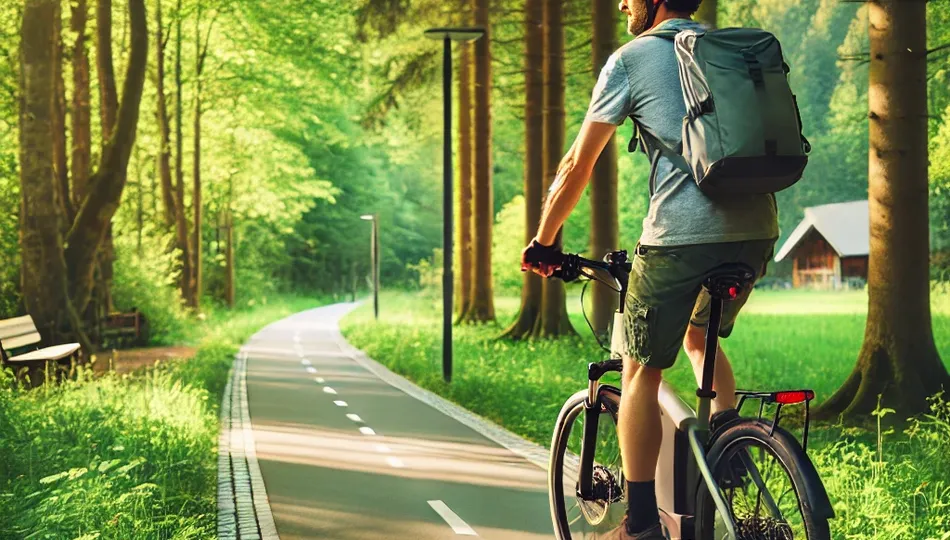
Electric bikes (e-bikes) are growing in popularity as a versatile and eco-friendly mode of transportation. But a common question among riders is whether e-bikes are allowed on public trails. The answer depends on the type of trail, the classification of the e-bike, and local regulations. Understanding these factors is essential to ensure a safe and legal riding experience.
This article will explore the rules, considerations, and tips for using electric bikes on public trails, helping you navigate the landscape of e-bike trail access.
Are Electric Bikes Allowed on Public Trails?
Yes, electric bikes can often be used on public trails, but their access depends on several factors, including the trail’s designation, e-bike class, and regional laws. Generally, trails fall into two categories:
- Paved or Multi-Use Trails: E-bikes are often permitted, especially on trails shared with pedestrians and cyclists.
- Natural or Mountain Trails: Access is more restricted, particularly in areas managed by national parks or protected wilderness zones.
Before hitting the trails, it’s crucial to verify the specific regulations governing the area.
Understanding E-Bike Classifications and Their Impact on Trail Access
The Three Classes of Electric Bikes
E-bikes are typically divided into three classes, and these classifications influence where they can be ridden:
- Class 1: Pedal-assist only, with a maximum speed of 20 mph. These are the most widely accepted on public trails.
- Class 2: Equipped with a throttle and a maximum speed of 20 mph. Access may be more restricted than Class 1 bikes.
- Class 3: Pedal-assist only, but with a higher speed limit of 28 mph. These are generally limited to roads and are less likely to be allowed on trails.
Why Classification Matters
Many trail managers allow Class 1 e-bikes because they closely mimic traditional bicycles in terms of speed and operation. Class 2 and Class 3 bikes, due to their speed and throttle capabilities, may be seen as disruptive to trail users or damaging to natural environments.
Key Considerations for Riding E-Bikes on Trails
Trail Type and Surface
The type of trail and its surface can impact whether e-bikes are allowed.
- Urban Multi-Use Trails: Typically open to e-bikes, as these trails are designed for a variety of users, including walkers, runners, and cyclists.
- State Parks and Forest Trails: Regulations vary widely. Some parks permit e-bikes on specific trails, while others restrict them to roads or paved paths.
- National Parks and Wilderness Areas: Many prohibit e-bikes on non-motorized trails but may allow them on motorized or shared-use paths.
Local Regulations
Regulations regarding e-bike use on public trails are often determined by local authorities. Riders should check:
- Park websites or visitor centers for trail-specific rules.
- State laws governing e-bike use.
- Signage at trailheads indicating permitted activities.
Environmental Impact
Electric bikes, particularly heavier models, can cause more wear and tear on trails compared to traditional bikes. Riders should:
- Stick to designated trails to minimize environmental damage.
- Avoid riding in wet conditions, which can lead to trail erosion.
- Follow Leave No Trace principles to preserve natural areas.
Tips for Responsible E-Bike Trail Riding
Share the Trail
E-bikes introduce a new dynamic to public trails, so it’s important to respect other users.
- Yield to pedestrians and slower cyclists.
- Signal when passing and maintain a safe speed.
- Avoid trails that are too narrow or crowded for safe e-bike use.
Adjust Your Speed
While e-bikes can reach higher speeds, it’s crucial to ride at a pace that’s safe for the conditions and considerate of others.
- Slow down in crowded areas or when visibility is limited.
- Reduce speed when navigating sharp turns or downhill sections.
Equip Your Bike for Safety
Proper equipment enhances both safety and compliance with trail rules.
- Use a bell to alert others of your presence.
- Equip front and rear lights if riding in low-light conditions.
- Carry a repair kit and extra battery if planning a longer ride.
Frequently Asked Questions About E-Bikes on Public Trails
Are Electric Bikes Allowed on Hiking Trails?
Most hiking trails prohibit e-bikes, as they are typically classified as non-motorized pathways. However, some multi-use trails shared by hikers and cyclists may allow Class 1 e-bikes.
Do I Need a Special Permit to Ride an E-Bike on Trails?
In most cases, no special permit is required for e-bike trail riding, but exceptions may exist in certain parks or regions. Always check the local rules before riding.
How Can I Find E-Bike-Friendly Trails?
To locate trails that allow e-bikes, consider these resources:
- Park Websites: Many parks list trail regulations and permitted activities online.
- Trail Apps: Apps like TrailLink or AllTrails can filter for e-bike-friendly paths.
- Local Bike Shops: Staff often have firsthand knowledge of nearby trails and their regulations.
Balancing Trail Access and E-Bike Etiquette
Advocating for Responsible E-Bike Use
The growing popularity of e-bikes has sparked debates about their place on public trails. By demonstrating responsible riding behavior, e-bike users can help foster a positive image and encourage greater acceptance on trails.
- Educate yourself on trail-specific rules and adhere to them strictly.
- Join local cycling groups or advocacy organizations to support inclusive trail policies.
- Report irresponsible trail use by others to help maintain a safe and welcoming environment.
Navigating Conflict With Other Trail Users
E-bikes can sometimes spark tension among hikers, traditional cyclists, and other trail users. Defuse potential conflicts by:
- Yielding whenever possible and prioritizing non-cyclists.
- Keeping a friendly, approachable attitude while riding.
- Explaining e-bike rules if others are unfamiliar or concerned about your presence.
Safety Tips for E-Bike Trail Riding
Inspect Your E-Bike Before Every Ride
Trail conditions can be unpredictable, so a quick inspection can prevent breakdowns or accidents. Check:
- Battery charge and connections to ensure reliability.
- Tires for proper inflation and good tread, especially on unpaved trails.
- Brakes for responsiveness, as trail riding demands frequent stopping.
Wear the Right Gear
Proper attire not only keeps you safe but also ensures comfort during longer rides.
- A helmet is non-negotiable for protecting against head injuries.
- Sturdy shoes with good grip are essential for stability.
- Layered clothing allows you to adapt to changing weather conditions.
Plan Ahead
Preparation is key to enjoying your trail ride.
- Map your route in advance and note any e-bike restrictions.
- Pack water, snacks, and a first-aid kit for emergencies.
- Share your plans with a friend or family member, especially for remote trails.
Exploring the Benefits of E-Bikes on Public Trails
Making Trails Accessible
E-bikes can make trails accessible to a wider range of people, including:
- Seniors or individuals with physical limitations who may struggle with traditional biking.
- Commuters looking for a green alternative to driving.
- Families seeking a fun, low-impact way to explore nature together.
Reducing Environmental Impact
Compared to cars or motorbikes, e-bikes offer a low-impact way to access trails while reducing noise and air pollution. With proper use, they can help promote sustainable outdoor recreation.
Future Trends in E-Bike Trail Access
Expanding Access
Many parks and local governments are revisiting their policies to accommodate the rise in e-bike use. This includes:
- Designating specific trails for e-bikes to minimize conflicts.
- Installing e-bike-friendly infrastructure, such as charging stations.
- Offering educational programs to teach riders about trail etiquette.
Balancing Conservation and Recreation
As e-bike popularity grows, the challenge will be finding a balance between preserving natural habitats and providing recreational opportunities. Riders can contribute by supporting initiatives that promote sustainable trail use.
Final Thoughts: Embracing the E-Bike Trail Experience
Electric bikes open up a world of possibilities for outdoor enthusiasts, offering an eco-friendly and accessible way to enjoy public trails. While regulations and access may vary, a little preparation and respect for the environment can go a long way.
By staying informed and riding responsibly, you can make the most of your e-bike adventures while helping to pave the way for broader trail access in the future.
If you have any experiences or tips to share about riding e-bikes on public trails, let us know in the comments!