
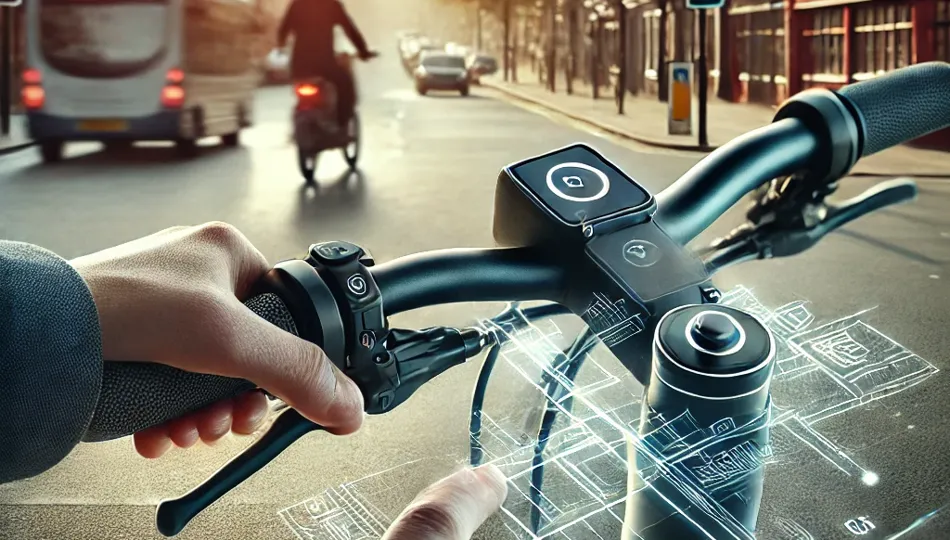
Electric bikes, or e-bikes, are becoming a popular mode of transport in the UK, offering an eco-friendly and efficient way to travel. One of the features that riders often inquire about is the throttle, which can propel the bike without pedaling. But are electric bike throttles legal in the UK?
The short answer is yes—but with strict regulations. This article will break down UK throttle laws, explain their implications, and help you understand what to look for if you’re considering a throttle-assisted e-bike.
Are E-Bike Throttles Legal in the UK?
Yes, e-bike throttles are legal in the UK, but only under certain conditions. The legality depends on factors like speed, the need for pedaling, and compliance with e-bike classifications under UK law.
Throttle Rules for Electrically Assisted Pedal Cycles (EAPCs)
EAPCs are the legal category under which most e-bikes fall. For an e-bike with a throttle to be classified as an EAPC in the UK:
- The motor must cut out when the bike reaches 15.5 mph (25 km/h).
- The motor’s power output must not exceed 250 watts.
- The throttle can only assist the bike up to 4 mph (6 km/h) without pedaling. Beyond that speed, pedaling is required for motor assistance.
When Throttles Exceed Legal Limits
If an e-bike’s throttle allows speeds higher than 4 mph without pedaling or exceeds the 15.5 mph motor cutoff, it may be reclassified as a motor vehicle. This would require:
- Road tax and insurance.
- Vehicle registration.
- A valid driving license.
Failure to comply with these requirements can result in fines and other legal consequences.
Why Are There Restrictions on E-Bike Throttles?
The UK government has implemented these regulations to ensure safety and standardization. Unrestricted throttles can lead to:
- Higher Speeds: Increasing the risk of accidents.
- Pedestrian Concerns: Throttle-assisted bikes might be harder to control in crowded areas.
- Legal Ambiguity: Preventing throttle-only bikes from blurring the lines between bicycles and mopeds.
By requiring pedaling for higher speeds, the rules aim to keep e-bikes aligned with traditional cycling while still offering motor assistance.
Types of E-Bike Throttles
Full Throttle
- Function: Allows the rider to control speed using the throttle alone, without pedaling.
- Legal Status in the UK: Restricted to speeds of 4 mph unless the rider is pedaling.
Pedal-Assist Throttle
- Function: Combines throttle use with pedal-assist mode, giving riders a boost while pedaling.
- Legal Status in the UK: Fully compliant as long as motor assistance cuts out at 15.5 mph.
Push-Start Throttle
- Function: Provides initial motor assistance to get the bike moving, especially useful on inclines.
- Legal Status in the UK: Permitted under EAPC regulations.
How to Ensure Your Throttle E-Bike Is Legal
To avoid legal issues, check these key points when purchasing or using an e-bike with a throttle:
Verify the Motor’s Power Output
Ensure the motor does not exceed 250 watts. Manufacturers typically list this in the bike’s specifications.
Check the Speed Limits
Test the bike’s throttle to confirm:
- It does not assist beyond 4 mph without pedaling.
- Motor assistance cuts out at 15.5 mph, even with pedaling.
Look for EAPC Compliance
Many reputable e-bike manufacturers label their bikes as EAPC-compliant. This ensures the bike adheres to UK regulations.
Consult the Manufacturer
When in doubt, contact the manufacturer or retailer to confirm the bike’s legal status in the UK. Keep documentation of the bike’s compliance for future reference.
Benefits of Throttles on E-Bikes
Despite the restrictions, throttles offer several advantages for riders:
Convenience
Throttle assistance can make starting from a standstill easier, especially at traffic lights or on hills.
Reduced Effort
For riders with limited mobility or stamina, throttles provide an alternative to pedaling.
Flexibility
Combining throttle and pedal-assist modes allows for a customizable riding experience.
Potential Drawbacks of Throttle-Assisted E-Bikes
Weight
E-bikes with throttles often weigh more due to additional components, which can affect portability.
Limited Legal Use
Throttle-only use is heavily restricted in the UK, limiting the feature’s full potential.
Battery Drain
Throttle use consumes more battery power, reducing the bike’s overall range.
FAQs About Electric Bike Throttles in the UK
Do I Need a License to Ride an E-Bike with a Throttle?
No, as long as the bike complies with EAPC regulations. If it exceeds these limits, it may be classified as a motor vehicle, requiring a license.
Can I Modify My E-Bike to Increase Throttle Speed?
Modifying an e-bike to exceed legal speed or power limits is not allowed in the UK and may result in fines or confiscation.
Are Throttles Necessary for All Riders?
Not necessarily. Throttles are useful for riders who need extra assistance but are not essential for all e-bike users.
Can Throttles Be Used Off-Road?
Throttle use off-road may be subject to different rules depending on the location. Always check local regulations before riding on trails or private property.
Are Throttle E-Bikes More Expensive?
Yes, e-bikes with throttle features often cost more due to additional components and functionality.
Comparing E-Bikes With and Without Throttles
When deciding whether to choose an e-bike with a throttle, it’s important to weigh the benefits against the trade-offs. Here’s a comparison:
| Feature | E-Bikes With Throttles | E-Bikes Without Throttles |
|---|---|---|
| Ease of Use | Ideal for quick starts and steep hills | Requires pedaling for all assistance |
| Legal Restrictions | Limited to 4 mph without pedaling | No throttle restrictions |
| Battery Usage | Drains battery faster due to throttle use | More efficient with pedal assistance |
| Accessibility | Great for riders with mobility issues | Better for riders seeking exercise |
| Weight | Heavier due to throttle components | Typically lighter |
This table highlights the unique advantages and challenges of throttle-equipped e-bikes.
Real-Life Scenarios for Throttle E-Bikes
Urban Commuting
A commuter in London appreciates the throttle feature for navigating traffic and starting from a standstill at red lights. However, they remain mindful of EAPC limits to stay compliant with UK regulations.
Mobility Assistance
An older rider uses a throttle-assisted e-bike to make cycling accessible despite physical limitations. The throttle provides a reliable way to power through inclines without overexertion.
Countryside Exploration
A leisure rider enjoys throttle use while exploring hilly countryside trails. Since the bike complies with EAPC rules, they can seamlessly switch between throttle and pedal-assist modes to conserve battery.
Emerging Technology in E-Bike Throttles
The design and functionality of e-bike throttles are evolving with advancements in technology. Here are some innovations to watch:
Adaptive Throttle Systems
Newer e-bikes feature adaptive throttles that adjust power output based on terrain and rider input, providing a smoother and more intuitive experience.
Integrated Throttle Sensors
Some e-bikes now integrate sensors to detect rider intent, ensuring the throttle operates safely and only when needed.
Energy-Efficient Throttles
Improvements in motor and battery technology are making throttles more efficient, reducing the battery drain often associated with throttle use.
Customizable Throttle Modes
High-tech e-bikes allow riders to program throttle settings, such as limiting speed or adjusting power levels for different conditions.
Environmental Considerations
Throttle-equipped e-bikes, like all e-bikes, are a more eco-friendly alternative to cars and motorbikes. By following regulations and maintaining your e-bike properly, you contribute to reducing emissions and promoting sustainable transportation.
Tips for Reducing Environmental Impact
- Charge Responsibly: Use renewable energy sources to charge your e-bike whenever possible.
- Recycle Batteries: Dispose of old batteries through certified recycling programs.
- Maintain Your E-Bike: Proper maintenance extends the bike’s lifespan, reducing waste and resource consumption.
Conclusion
Electric bike throttles are legal in the UK, but they must comply with strict EAPC regulations to ensure safety and alignment with road use laws. Throttles can provide significant benefits, from reducing physical strain to making commutes and recreational rides more convenient. However, understanding the legal framework, knowing how to use the feature responsibly, and maintaining compliance are crucial.