
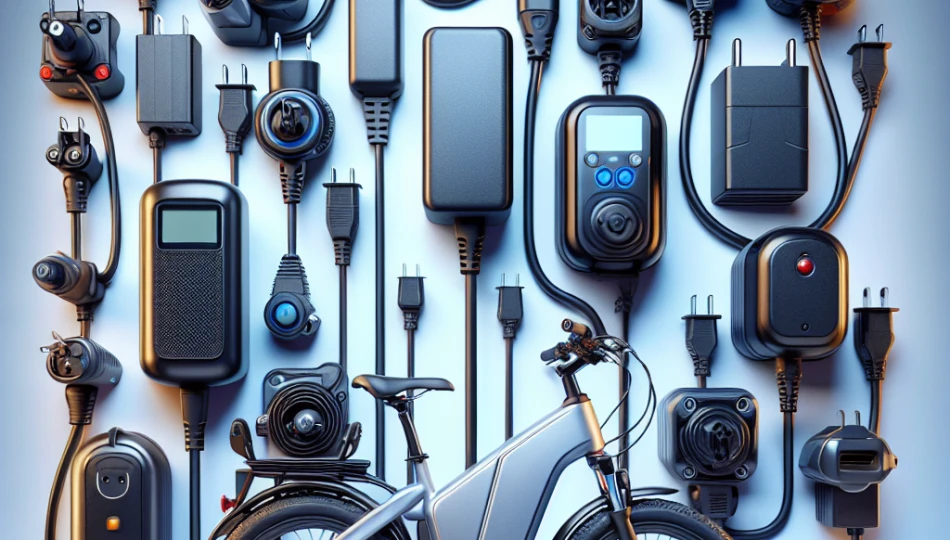
Electric bikes, or e-bikes, have surged in popularity as a sustainable and efficient mode of transportation. With their increasing demand, understanding the intricacies of e-bike accessories, particularly chargers, is crucial. Among common queries that potential e-bike users may have is about the compatibility of chargers. Are all electric bike chargers universal? The clear and concise answer is: No, they are not. Various factors contribute to this lack of universality, which we will explore in this article.
1. Charger Voltage
One of the primary considerations when assessing the compatibility of electric bike chargers is the voltage. E-bikes typically operate on a specific voltage based on their battery configuration. Common voltages include 24V, 36V, and 48V. A mismatch in voltage can lead to inadequate charging or potentially damage the battery.
- Battery Rating: Each e-bike battery has a specific voltage rating, and using a charger with a different voltage can have severe repercussions.
- Potential Damage: A lower voltage charger may not charge the battery sufficiently, while a higher voltage charger can overcharge and damage the battery system.
For example, a 36V e-bike charger will not be compatible with a 48V e-bike. Users must always check their e-bike’s battery specifications before selecting a charger to ensure that the voltage matches. Ignoring this vital detail can result in costly repairs or replacements.
2. Connector Types
Another critical aspect that affects charger compatibility is the physical connection type. Electric bike chargers come with varying connector types, which determine how they connect to the battery. Different manufacturers often employ their own proprietary designs.
- Common Connectors: Popular connector types include the XLR connector, the Anderson connector, and various barrel connectors.
- Proprietary Designs: Some brands, such as Bosch or Shimano, have unique connectors, making it impossible to use generic chargers with their e-bikes.
For instance, if your e-bike uses a unique connector design, trying to use a generic charger will not only lead to failed attempts at charging but may also cause damage to the battery’s input port. Consequently, it’s pivotal to verify the connector type of your e-bike before making a charger purchase.
3. Amperage Rating
The amperage rating of a charger indicates how much current it can supply to the battery during the charging process. The ideal charger for an e-bike should match the battery’s recommended charging current, as specified by the manufacturer.
- Fast Charging: A charger with a higher amperage can reduce charging times significantly, but if the amperage exceeds what the battery can handle, this can lead to overheating and damage.
- Standard Ratings: Many chargers operate at amperage ratings of 2A to 5A for standard e-bike batteries; however, always check your battery’s specifications.
For example, if the original charger for an e-bike has a 2A rating, using a 10A charger may expedite charging but could risk battery health. Hence, checking compatibility with the amperage rating is essential to maintain the longevity of your battery.
4. Charger Technology
Not all e-bike chargers are created equal. Charge technology also impacts compatibility. E-bike chargers typically fall into two primary categories: smart chargers and basic chargers.
- Smart Chargers: These chargers can detect battery status and adjust their output, ensuring safe charging. They usually come with additional features like automatic shut-off when fully charged.
- Basic Chargers: These are simpler and often less expensive, but they lack the automatic features that protect the battery.
A smart charger for a lithium-ion battery, for example, will charge the battery efficiently while preventing damage from overcharging. In contrast, using a basic charger on a battery that requires smart charging technology can lead to decreased performance and longevity issues. Choosing the right charger technology in tandem with the battery type is vital for optimum performance.
5. Brand Specificity
Finally, many charger compatibility issues stem from brand specificity. Major e-bike manufacturers often produce their own line of chargers designed specifically for their battery systems, leading to variations in compatibility across different brands.
- Brand Compatibility: Brands such as Trek, Specialized, and Bosch require their chargers for safe and efficient charging.
- Warranty Implications: Using a non-brand charger may void the warranty and lead to issues if repairs are needed.
For example, Trek e-bikes equipped with their custom battery packs may have chargers that are optimized for those battery configurations. Attempting to use a charger from a different brand could potentially risk not only battery performance but also the overall functionality of the e-bike. As a result, it’s always advisable to use the charger specifically recommended by the manufacturer to avoid compatibility issues.
Additional Factors Influencing Charger Compatibility
Safety Standards
Another critical factor when discussing electric bike chargers is safety standards. Various regions have different regulations that manufacturers must adhere to when producing e-bike chargers. Compliance with these standards ensures that the charger is safe for use and minimizes risks such as overheating, short circuits, or electrical fires.
- UL Certification: In the United States, chargers often come with UL certification, ensuring they meet specific safety benchmarks. This certification indicates the charger has undergone rigorous testing for electrical safety and performance.
- CE Marking: In Europe, chargers must often have CE marking, which signifies compliance with safety, health, and environmental protection standards set by the European Union. This marking is crucial for user safety and helps distinguish safe products from potentially harmful ones.
When choosing a charger, it’s essential to verify that it meets local regulations and has the appropriate certifications. This not only ensures charger safety but also enhances the overall longevity of the e-bike system. For example, using a charger that does not meet safety standards can put users at risk but also lead to diminished battery life and functionality of the e-bike.
Charging Environment
The environment in which you charge your electric bike can also play a significant role in compatibility and overall performance. Factors such as temperature, humidity, and cleanliness are vital to consider when selecting a charger and charging location.
- Temperature: Extreme temperatures, either hot or cold, can affect charging efficiency and battery health. Ideally, the charging environment should be within the temperature range specified by the battery manufacturer.
- Humidity: High humidity levels can lead to condensation in electronic components, posing a risk of corrosion and electrical malfunction. Thus, charging in a dry area is preferable.
When charging your e-bike, it’s advisable to avoid locations prone to humidity or extreme temperatures, such as garages or outdoor sheds. Ensuring a clean, dry, and suitable environment for your charger can help maintain the e-bike battery’s health, prolong its lifespan, and reduce the risk of technical issues caused by environmental factors.
Frequently Asked Questions
1. Can I use a charger from a different brand on my e-bike?
While it may be tempting to use a charger from a different brand, doing so can be risky. Different manufacturers design their batteries and chargers to specific specifications; therefore, a charger from another brand may not meet the voltage, amperage, or connector type required for your e-bike. This mismatch can lead to inefficient charging or, worse, battery damage. It’s best to always use the manufacturer-recommended charger for optimal performance and safety.
2. What happens if I use a charger with the wrong voltage?
If you use a charger with the incorrect voltage, several things could happen. A charger with a lower voltage than required will not adequately charge the battery, resulting in decreased performance and battery life. Conversely, a charger with a higher voltage may overcharge the battery, causing overheating, damage, or even battery failure. It is crucial to always check the voltage specifications before choosing a charger to avoid these potential hazards.
3. How can I determine the correct charger for my e-bike?
To determine the correct charger for your e-bike, start by examining the manufacturer’s specifications. Look at the voltage rating, connector type, and any specific requirements noted in your user manual. If your e-bike is still under warranty, reaching out to the manufacturer for recommendations is also a good idea. This ensures that you are using the correct charging equipment that is compatible with your system.
4. Are smart chargers worth the investment?
Smart chargers come with several advantages that make them a worthwhile investment for e-bike owners. These chargers can detect the battery status and adjust their charging output accordingly, resulting in safer and more efficient charging. They often include features such as automatic shut-off when the battery is fully charged, preventing overcharging. Although they may cost more upfront, the potential for extended battery life, greater efficiency, and added safety makes them a beneficial choice for e-bike users.
5. Can I charge my e-bike in wet conditions?
Charging an e-bike in wet conditions poses significant risks and is generally not recommended. Water can cause short circuits, damage the charger, and create electrical hazards. Even if your e-bike or charger is water-resistant, it is best practice to charge your e-bike in a dry, sheltered environment. Ensuring a safe charging environment can prevent accidents and prolong the lifespan of both your charger and battery.
6. What should I do if my e-bike charger is lost or damaged?
If your e-bike charger is lost or damaged, first, consult the manufacturer’s website or user manual for a replacement recommendation. It’s crucial to procure a charger that meets the specifications provided for your e-bike model. Avoid using generic chargers unless the manufacturer explicitly states that they are compatible, as this can lead to unwanted issues. Many manufacturers sell replacement chargers directly or list authorized retailers where you can obtain authentic products.
Summing It Up
Understanding electric bike charger compatibility is essential for e-bike users. Not all electric bike chargers are universal, as factors like voltage, connector types, amperage ratings, charger technology, and brand specificity play significant roles in whether a charger will function correctly with an e-bike. Also, additional considerations such as safety standards and charging environments further emphasize the need for caution when selecting a charger.
For optimum performance and safety, it’s critical to use chargers specifically designed for your e-bike model. Always refer to the manufacturer’s guidelines regarding charger specifications. Doing so will not only enhance your e-bike experience but also ensure that you are taking the necessary steps to protect your investment in the long run.
By paying attention to these factors, e-bike owners can enjoy their rides while minimizing risks associated with improper charging practices. A well-maintained charging system ultimately contributes to a safer, more efficient, and rewarding e-biking experience.