
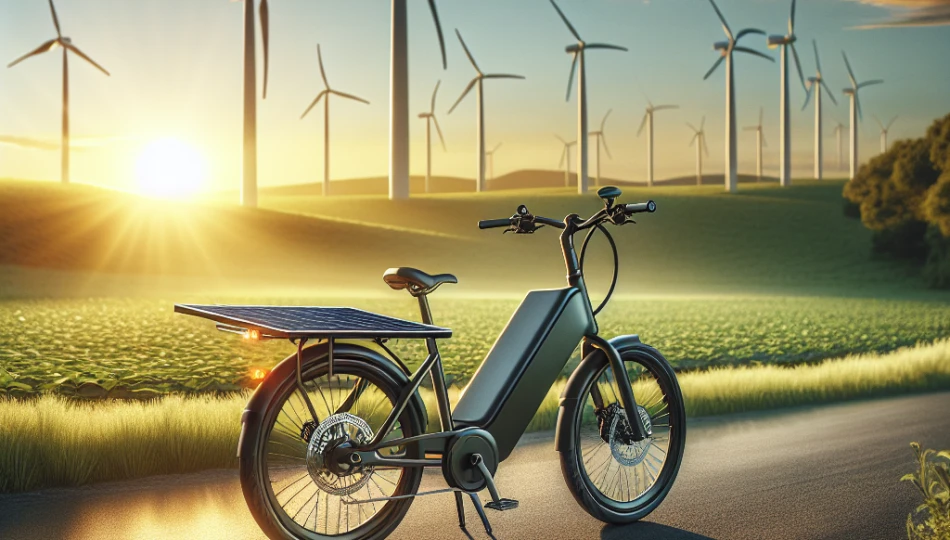
As the world moves towards more sustainable energy solutions, the question arises: Can electric bikes run on renewable energy? The clear answer is yes! Electric bikes (e-bikes) can effectively utilize renewable energy sources, contributing to a more eco-friendly mode of transportation. This article explores seven comprehensive ways in which e-bikes can run on renewable energy, highlighting the benefits and feasibility of combining these innovative bikes with sustainable energy sources.
1. Solar Power Charging Stations
One of the most popular renewable energy sources for charging electric bikes is solar power. Solar panels can be installed at various locations including homes, bike-sharing stations, and public areas to harness sunlight and convert it into electricity.
- Accessibility: Solar charging stations can be placed in park areas, office buildings, and even at home, promoting ease of access.
- Cost Efficiency: Once installed, solar panels can significantly reduce ongoing electricity costs for charging, as sunlight is free!
Moreover, governments and organizations are increasingly investing in solar infrastructure. Some public places even provide free charging for e-bikes, making it both a convenient and economical option for riders. Combining solar power with e-bike technology can significantly reduce the carbon footprint of urban commuting.
2. Wind Energy Integration
Wind energy is another viable renewable resource that can be used to charge electric bikes. By utilizing wind turbines, users can generate electricity in areas with high wind conditions. This energy can then be directly supplied to charging stations designed for e-bikes.
- Rural and Coastal Areas: Wind energy is particularly effective in rural and coastal locations, where wind speeds are higher.
- Community Initiatives: Community-owned wind farms can provide clean energy for local charging stations, fostering a collective commitment to sustainability.
By integrating wind energy with e-bike usage, areas can decrease their reliance on fossil fuels and encourage more eco-friendly electricity generation methods. The cycle of generating and using wind energy can create a self-sufficient ecosystem that supports electric bike transportation.
3. Energy Regeneration During Rides
Many electric bikes are equipped with regenerative braking systems that recapture energy during braking. This system turns kinetic energy into electrical energy, which can then recharge the bike’s battery.
- Efficiency: E-bikes with regenerative braking can enhance battery range by utilizing energy that would have otherwise been lost.
- Reduced Environmental Impact: Using this mechanism, the energy efficiency of the bike is improved, ultimately reducing the need for additional energy input from the grid.
This innovative technology not only extends the range of e-bikes but also contributes to their overall sustainability. Riders can utilize their e-bikes more effectively while minimizing the frequency of needing to recharge from non-renewable sources.
4. Hybrid Charging Solutions
A hybrid charging solution combines traditional grid power with renewable energy sources. Electric bike users can charge their bikes at locations that utilize both solar panels and grid electricity, ensuring they always have a reliable power source.
- Redundancy: In the absence of sun or wind, users can fall back on grid power to maintain battery life.
- Flexibility: Users can take advantage of renewable energy when available, reducing reliance on the grid during peak hours.
This hybrid approach ensures that electric bike users maintain mobility regardless of weather conditions, while still supporting the integration of renewable energy into everyday living. It makes it easier and more feasible for riders to adopt electric bikes without worrying about energy limitations.
5. Community Solar Programs
In many regions, community solar programs allow multiple users to benefit from a single solar array. These programs enable e-bike owners to gain access to renewable energy generated in their locality, often at lower costs compared to individual solar panel installations.
- Shared Benefits: Community solar initiatives can significantly lower energy costs for participants and promote clean energy usage.
- Social Engagement: Such programs foster community involvement and encourage neighborhood support for renewable energy projects.
These initiatives not only make renewable energy access easier for e-bike riders but also create a collaborative environment focused on sustainability. Users can share the benefits of clean energy while minimizing their overall environmental impact.
6. Efficient Battery Technology
The development of efficient battery technology directly supports the viability of running e-bikes on renewable energy. Advances in lithium-ion and other battery technologies are increasing charge cycles and decreasing energy waste.
- Longer Battery Life: Improved battery technology means e-bikes can store and utilize renewable energy more effectively, making longer rides more achievable.
- Lower Environmental Impact: Innovations in recycling and reducing raw material consumption in battery production contribute to a lower lifecycle carbon footprint for e-bikes.
As battery technology continues to evolve, the potential for e-bikes to be entirely powered by renewable energy sources only increases. Consumers are becoming more aware of the lifecycle impacts of their products, driving demand for greener options, including batteries designed with sustainability in mind.
7. Integration with Smart Grids
Finally, the integration of e-bikes with smart grid technology offers a sophisticated way to manage energy consumption. Smart grids allow for real-time monitoring and management of energy supply and demand, optimizing the use of renewable resources.
- Dynamic Pricing: Smart grids can adjust electricity prices based on renewable energy availability, encouraging e-bike users to charge when solar or wind power is plentiful.
- Energy Management: Users can connect their e-bikes to a home energy management system, ensuring they only utilize clean energy when available.
This cutting-edge technology not only promotes the efficient use of renewable energy but also helps create a more sustainable and responsive energy network. It can lead to a significant positive shift in how e-bike users interact with their energy usage, ultimately contributing to greener urban mobility.
The Role of Policy in Promoting Renewable Energy for E-bikes
Government policies play a critical role in promoting the shift toward renewable energy usage in electric bikes. Incentives such as tax breaks, subsidies, and grants for solar and wind energy installations can lower entry barriers for consumers and businesses alike. For instance, some states offer tax rebates for homeowners who install solar panels, which can then be used to charge e-bikes.
Furthermore, policies that mandate the construction of solar-powered charging stations in public areas can significantly enhance the accessibility of renewable energy sources for e-bike users. Local governments may also provide financial assistance to private entities willing to invest in the infrastructure necessary for sustainable energy solutions, thus driving the adoption of e-bikes even faster.
Future Innovations in Energy Storage
The future of renewable energy for electric bikes is promising, especially with advancements in energy storage technology. Research into solid-state batteries, for example, is poised to revolutionize how energy is stored, offering greater capacity and safety than current lithium-ion batteries. These developments mean that e-bike batteries could become more efficient at storing energy derived from renewable sources, ultimately leading to longer rides with fewer charging interruptions.
Moreover, innovative solutions like energy harvesting technologies could be implemented directly into e-bikes, allowing them to draw additional energy from motion or vibrations as riders travel. Such initiatives could transform the way we think about electric bike energy consumption, making e-bikes not just greener, but also more efficient and convenient.
Community Support for Renewable E-bike Initiatives
Community engagement is crucial to the successful implementation of renewable energy for electric bikes. Initiatives aimed at raising awareness and promoting local e-bike use can cluster around community events, workshops, and collaborations with local governments and organizations. For example, cycling events advocating for renewable energy can draw attention to the benefits of e-bikes, demonstrating how they align with local climate and sustainability goals.
Additionally, local businesses can support this initiative by providing incentives such as discounts for e-bike users who charge their vehicles using renewable energy sources. Such collaborative efforts foster a sense of community while promoting the widespread adoption of renewable energy and e-bikes, creating a more sustainable urban environment.
Frequently Asked Questions
What are the benefits of using solar power to charge e-bikes?
Charging e-bikes with solar energy provides numerous benefits, among which are cost savings and environmental advantages. Since sunlight is free, solar-powered charging stations can significantly reduce or eliminate the electricity costs associated with charging. This can be particularly advantageous in areas with abundant sunlight.
Moreover, using solar energy helps decrease reliance on fossil fuels, contributing to a lower carbon footprint. For individuals and communities committed to sustainability, solar charging stations promote cleaner urban mobility and serve as a testament to the commitment to renewable energy.
How does regenerative braking work in electric bikes?
Regenerative braking is a technology that allows e-bikes to convert kinetic energy that would otherwise be wasted during braking back into electrical energy. During this process, the motor functions as a generator, capturing the energy and routing it back to the bike’s battery. This mechanism improves overall energy efficiency and allows riders to extend the distance they can travel on a single charge.
For example, during downhill rides or when decelerating at traffic lights, the regenerative braking system provides a valuable means of energy recovery. This increases the effectiveness of e-bikes and allows riders to experience decreased reliance on traditional charging methods.
How do hybrid charging solutions improve accessibility for e-bike users?
Hybrid charging solutions offer a reliable and flexible method for e-bike users to maintain their battery life by combining renewable sources like solar and wind with conventional grid electricity. In situations where weather conditions are less than ideal, access to the grid ensures that riders can recharge their bikes without dependency on renewable energy.
This dual approach not only aids in overcoming the limitations of sporadic renewable energy availability but also encourages users to utilize renewable sources whenever possible. By reducing overall dependence on fossil fuels during peak demand times, riders contribute to a more systemic shift towards sustainable energy practices.
What role does battery technology play in the sustainability of e-bikes?
Advanced battery technology is fundamental to the sustainability of electric bikes. As manufacturers develop more efficient batteries with longer life cycles and shorter charge times, the practicality of e-bikes improves significantly. These advancements ensure that e-bikes can quickly recharge using renewable energy and use energy more efficiently during rides.
Moreover, innovations in battery recycling help reduce the environmental impact of e-bikes. By incorporating sustainable practices in battery production and disposal, manufacturers can create a circular economy that lowers emissions and encourages resource conservation throughout the life cycle of the product.
Why is smart grid integration important for renewable energy use in e-bikes?
Smart grid integration is an essential component in optimizing the use of renewable energy for e-bikes. Smart grids facilitate the monitoring of electricity demand and supply, enabling e-bike users to charge their batteries during times when renewable energy production is high, thus reducing reliance on fossil fuels.
This technology empowers users to track and manage their energy consumption patterns actively, further cultivating a culture of energy efficiency. As smart grids evolve, they can potentially allow e-bike users to engage in peer-to-peer energy trading, enhancing the overall sustainability of energy networks.
Summing It Up
As the world shifts towards cleaner, more sustainable energy solutions, electric bikes stand out as a remarkable innovation that seamlessly integrates renewable energy sources. Through solar charging stations, wind energy, efficient battery development, and hybrid solutions, e-bikes become instrumental in promoting eco-conscious transportation.
Community engagement, supportive policies, and advancements in energy technology will continue driving the proliferation of renewable energy-powered e-bikes. As these initiatives grow, we pave the way for a greener future where sustainable urban mobility becomes the norm, and e-bikes play a vital role in creating cleaner, healthier communities.
In conclusion, the convergence of renewable energy and electric bikes reflects a promising trend in achieving broader environmental goals. By harnessing and promoting these technologies, we contribute to a more sustainable planet, making e-bikes an excellent choice for eco-friendly travelers.