
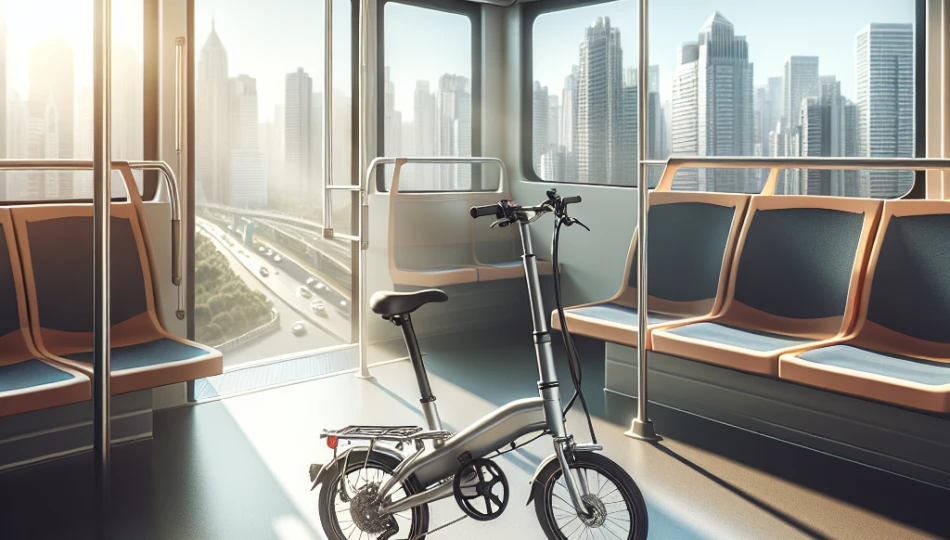
As cities continue to promote eco-friendly transportation, the popularity of electric bikes, or e-bikes, has surged. However, many individuals wonder about the practicality of integrating e-bikes into their daily commutes and whether they can be taken on public transport. Can you take an electric bike on public transport? The answer is: Yes, but it largely depends on local regulations, train or bus company policies, and the type of electric bike you own.
1. Local Regulations and Laws
Before deciding to take your electric bike on public transport, you must familiarize yourself with local regulations. Different cities and states have varying rules regarding e-bikes on public transportation.
- Some cities may allow e-bikes on buses and trains but may have restrictions based on the size and weight of the bike.
- Other places may institute a complete ban on certain classes of e-bikes.
For instance, in many areas, class 1 and class 2 e-bikes are typically permitted because they cannot exceed a certain speed limit and are viewed similarly to traditional bicycles. However, class 3 e-bikes, which can reach higher speeds, might face stricter regulations. Always check your local public transportation authority’s guidelines to ensure compliance.
2. Space Availability on Public Transport
One of the most significant factors to consider when planning to take your e-bike on public transport is the available space. Public transportation systems often have limited room for bicycles, and e-bikes can be bulkier and heavier than regular bicycles.
- Buses and trains may designate specific areas for bikes, which can fill up quickly during peak hours.
- Some transportation services might only allow one or two bikes onboard at a time.
When considering your commute, aim to schedule your travel during non-peak hours when the likelihood of securing bike space is higher. Additionally, if you’re traveling during busy periods, it’s wise to have an alternative route planned in case you are unable to bring your bike on board.
3. Safety and Security Concerns
Taking an electric bike on public transport comes with its own set of safety and security considerations. While many cities allow e-bikes on trains and buses, it is crucial to think about how to protect your bike while traveling.
- Always utilize a strong lock when securing your bike to a designated bike rack at the station or bus stop.
- Keep an eye on your e-bike while onboard the transport; theft can happen in crowded areas.
Consider investing in additional security features like GPS tracking systems or high-quality locks designed specifically for e-bikes. Moreover, ensure that your e-bike insurance covers theft, as this can mitigate financial loss in case of unfortunate events.
4. Transportation Costs
Another aspect to consider is the cost associated with taking your electric bike on public transport. While some systems do not charge extra fees for bikes, others may impose additional costs. Understanding these fees is essential for budgeting your commutes effectively.
- Some transit systems allow bicycles at no charge, while others may require a separate bike ticket.
- Additionally, if you’re taking a train, certain routes may charge a specific fee for an e-bike, regardless of fare.
Always investigate the pricing structure of the transportation service you plan to use, as these costs can vary significantly. This way, you can factor these expenses into your overall commuting budget and avoid any surprises at the ticket counter.
5. Battery Restrictions
When taking an electric bike on public transport, it’s also important to consider battery regulations. Depending on the level of electrical power your e-bike has, there may be restrictions on how and when its battery can be transported.
- Public transport systems may have rules about lithium-ion batteries due to potential fire hazards.
- Some may require that you remove the battery before boarding, while others might not allow larger batteries at all.
To be on the safe side, always check the specific policies regarding battery sizes and types with the transportation authority you plan to use. If you’re unsure, it may be beneficial to contact customer support ahead of time to clarify any doubts regarding the transport of your e-bike’s battery.
6. Train versus Bus Considerations
Whether you’re taking your e-bike on a bus or train can significantly affect the travel experience. Buses often have less space for bikes, which can result in a more challenging boarding process, while trains may have dedicated areas for bike storage.
- Some trains offer specific accommodations for larger bikes, including e-bikes, making it easier to board.
- In contrast, buses often have limited bike racks located at the rear, which might not accommodate bulkier e-bikes.
When planning your journey, consider the type of public transport you are using. If you have access to train services that seamlessly integrate bikes, such as regional transit systems, that might be a preferable option over buses. Additionally, research any specific procedures or restrictions unique to the transportation mode you choose.
7. Preparing for Your Trip
Preparation is key to ensuring a smooth experience when taking an electric bike on public transport. Being ready in advance can save you from last-minute surprises that could derail your plans.
- Familiarize yourself with the specific rules for the transport system you’re using.
- Arrive early to allow extra time for boarding and securing your e-bike.
Moreover, it is also wise to check the weather forecast, particularly if your bike is sensitive to moisture or if conditions could make traveling uncomfortable. Additionally, keep in mind the cleanliness of your e-bike; especially if you’re on a train that has designated bike areas, being considerate about dirt from your tires or components is essential for maintaining a pleasant atmosphere for all travelers.
Considerations for Long-Distance Commuting
If your commute involves traveling a significant distance, integrating your electric bike with public transportation can offer substantial benefits. Not only does this method reduce overall travel time, but it also allows you to avoid congested traffic, which is increasingly remnant in urban areas. By combining cycling with public transit, commuters can access areas that may not be conveniently located near public transport endpoints.
For example, if you live far from your workplace, riding your bike to the nearest train station can turn a lengthy commute into a shorter, more manageable journey. Many rail systems allow for bicycles on board, making it practical to cycle the initial leg and take the train the rest of the way. This means you can take advantage of bike-sharing options at your destination if you prefer not to lug your e-bike around all day.
However, when planning these long-distance journeys, it’s essential to check the schedule and frequency of trains and buses. Some routes may have limited service hours, and waiting for the next vehicle could negate the time savings you expect from this dual mode of transportation. Timing your departure and accounting for potential delays can enhance the commuting experience significantly.
Maintenance and Care for E-Bikes When Traveling
Taking care of your electric bike should always be a priority, especially when integrating it into public transport routines. The wear and tear associated with transitioning between a bike and public transportation can sometimes lead to problems if maintenance is overlooked. Regular upkeep will not only prolong the lifespan of your e-bike but also ensure safety during your travels.
Before taking your bike out on public transport, it’s wise to perform a pre-ride check. This includes ensuring that your tires are properly inflated, brakes functioning, and battery charged. Also, pay attention to the drivetrain and make sure the chain is lubricated to avoid unnecessary friction and damage. Ensuring that the bike is clean is essential; a clean e-bike is more likely to fit into designated transport spaces without causing a mess, and it also shows respect for other commuters.
Add to your routine a thorough inspection after each public transport trip to identify any potential issues and rectify them immediately. For instance, a bike that suffers bumps and vibrations during transit might need a closer look at its components. With proper care, you can maintain the integrity of your e-bike, enhancing your commuting experience.
Riding Etiquette on Public Transport
As e-bike users incorporate their rides with public transport systems, understanding and adhering to proper etiquette becomes essential. Good riding and boarding manners can lead to a more enjoyable experience for both you and other passengers. Being courteous can influence how public transport authorities regard e-bike use.
For instance, when boarding a bus or train with your e-bike, it’s important to be aware of the space you take up. Try to board swiftly and avoid blocking aisles. If you do find yourself on a crowded bus or train, consider standing in a corner or designated bike space, staying as compact as possible to avoid inconveniencing other passengers.
Another aspect of etiquette is being mindful of noise. Electric bikes tend to be quieter than regular motorcycles or gas-powered scooters, but it’s good practice to keep your bike’s horn usage to a minimum. If other passengers seem concerned or crowded, offering polite apologies and reassuring them that you’re on board for just a short distance can go a long way in fostering a positive atmosphere.
Frequently Asked Questions
Can I take my e-bike on any public transport system?
Public transport policies vary from city to city. While most local transit authorities allow e-bikes, there may be restrictions depending on the bike class, size, and type of vehicle. Always consult your local transit authority for specific rules and exemptions to avoid any surprises.
What should I do if there’s no room for my e-bike?
If you find that the bike space on your bus or train is full, it’s best to have a backup plan. This could involve waiting for the next scheduled bus or train, or considering alternative routes where bikes are guaranteed a space. It’s a good idea to familiarize yourself with public bike-sharing programs near heavy transit hubs as an alternative commute method.
Are there any specific insurance requirements for taking an e-bike on public transport?
Insurance requirements differ by region. While some areas don’t have specific requirements for public transport use, having theft and damage coverage is advisable. It’s always a good idea to check with your insurance provider to ensure that you’re covered in various commuting scenarios, including public transport use.
What features should I look for in a bike lock if I’m commuting by public transport?
When it comes to securing your electric bike, it’s vital to choose a lock that offers maximum security while being easy to transport. Consider locks such as U-locks and foldable or matrix locks that provide strength without adding extra weight. Look for locks that are also resistant to cutting and leverage attacks, so you know your bike will be secure while it’s left unattended.
Can I charge my e-bike battery on public transport?
Most public transport systems do not allow the charging of e-bike batteries while on board. This is often due to safety regulations regarding lithium-ion batteries. Always charge your e-bike’s battery at home or designated stations before your journey to ensure it is fully charged and safe for transport.
What happens if I forget to remove my battery and it’s against policy?
If you forget to comply with battery transport policies, you may be asked to leave the vehicle or place your bike in another transport option. Fines may apply in situations where non-compliance is deemed reckless. Familiarizing yourself with the rules beforehand can save you from the hassle of added costs and transportation delays.
Summing It Up
Integrating electric bikes into your daily commute using public transport can be a practical and effective way to navigate city life while minimizing your carbon footprint. However, by understanding local regulations, preparing adequately, and being mindful of etiquette, you can make your commute smoother and more enjoyable.
Remember to consider aspects such as space availability, safety, maintenance, and battery handling to enhance your riding experience and ensure compliance with transport policies. If you educate yourself about your local transport options and their stipulations regarding e-bikes, your journey will not only be easier but also more sustainable.
Adopting a proactive approach to commuting with e-bikes can revolutionize your travel experience. As urban environments grow and evolve, your e-bike could very well become an essential part of your public transport routine, making for an efficient, eco-friendly way to get from one place to another.