
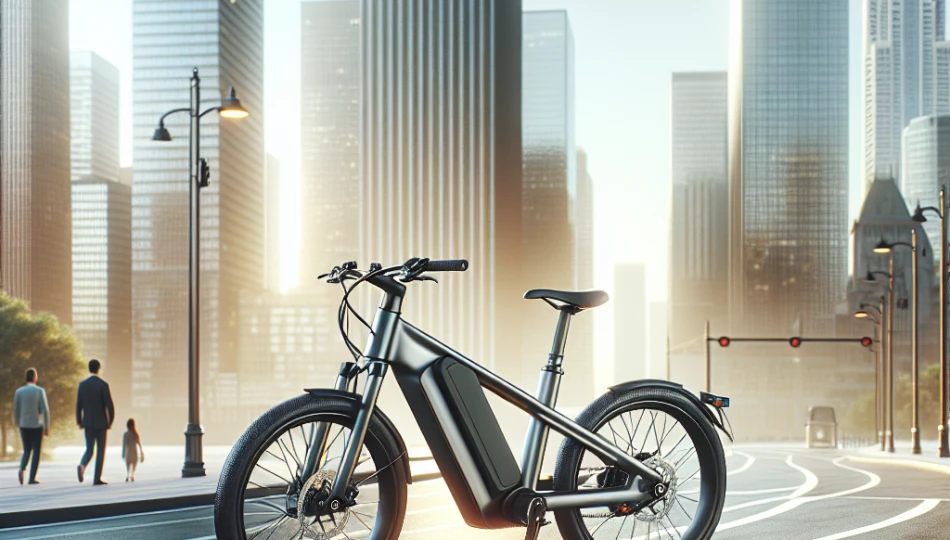
As urban areas continue to grow and traffic congestion becomes a common issue, many commuters are seeking efficient and sustainable alternatives to traditional transportation methods. Among these options, electric bikes, or e-bikes, have surged in popularity. With their combination of convenience, speed, and eco-friendliness, e-bikes present an appealing solution for city dwellers looking to navigate their metropolitan environments. Are electric bikes suitable for city commutes? Yes, they are, providing a smart, effective way to beat the city’s traffic, reduce carbon footprints, and enjoy the commute.
1. Cost-Effectiveness
One of the most significant advantages of using electric bikes for city commutes is their cost-effectiveness. Compared to owning a car or regularly using public transportation, e-bikes offer substantial savings.
- Low Operational Costs: Electric bikes consume significantly less energy than cars and are cheaper to maintain.
- No Parking Fees: Commuters can easily park e-bikes in multiple places around the city, often without additional charges.
- Reduced Insurance Costs: E-bike insurance is typically much lower than that of motor vehicles.
Beyond the immediate financial savings, e-bikes also decrease wear and tear on cars, leading to longer-term cost reductions. Consider the rising costs associated with gas, maintenance, and insurance; by switching to an electric bike, commuters can allocate their budgets toward other priorities, such as health or leisure activities.
2. Environmental Benefits
In an age of climate change awareness, the environmental benefits of electric bikes cannot be overlooked. E-bikes minimize the carbon footprint that is often associated with traditional commuting methods.
- Zero Emissions: Unlike gas-powered vehicles, e-bikes produce no harmful emissions.
- Reduced Traffic Congestion: More commuters using e-bikes can lead to less overall traffic on city roads.
- Energy Efficiency: E-bikes use less energy per mile compared to car travel.
By choosing an electric bike, riders contribute to cleaner air and a healthier environment. This, in turn, creates a more pleasant urban atmosphere for everyone, encouraging more people to consider eco-friendly transportation options and helping to set a precedent for sustainable living.
3. Convenience and Flexibility
Electric bikes offer unparalleled convenience and flexibility that can transform the daily commute. They allow riders to navigate through congested streets, maintain a brisk pace, and access harder-to-reach areas.
- Bypass Traffic: With the ability to weave through traffic and take shortcuts, e-bike riders can often reach their destinations faster than car drivers.
- No Relying on Schedules: E-bikes eliminate the need for waiting for public transport, allowing for spontaneous decisions about travel.
- Multiple Parking Options: E-bikes can be parked in many places, making it easier to find a spot near the destination.
This flexibility significantly enhances the overall commuting experience. Riders can also adjust their speed according to their comfort level, benefiting from pedal-assist features that can make long distances feel manageable. Whether for a quick trip to work or a leisure ride through the city, e-bikes adapt to the user’s needs.
4. Health and Fitness Benefits
Beyond practicality, commuting by electric bike can bolster physical health. While e-bikes provide motor assistance, riders are still encouraged to pedal, contributing to an active lifestyle.
- Cardiovascular Benefits: Regular cycling improves heart health and increases endurance.
- Muscle Strengthening: Pedaling engages various muscle groups, promoting strength and flexibility.
- Mental Health Boost: Cycling is known to reduce stress and promote mental well-being, providing a break from the daily grind.
The pedal-assist feature of e-bikes means that individuals can control the intensity of their workout. For those who may feel intimidated by the idea of cycling longer distances or up hills, e-bikes offer just the right amount of support to make these activities enjoyable rather than exhausting. Commuters can integrate more exercise into their daily routine without needing extra time at the gym.
5. Independence and Time Management
Using an electric bike for city commuting empowers individuals with a sense of independence and improved time management. Riders can navigate based on their own schedule rather than relying on public transport timetables.
- No Delays: E-bikes are not subject to delays caused by traffic congestion or public transport issues.
- Direct Routes: Commuters can tailor their route to avoid congested areas or maximize scenic views.
- Quicker Travel: With reduced travel time compared to cars or buses, individuals can arrive at their destinations faster.
Riding an e-bike allows commuters to gain back control of their time. No more waiting for buses or trains or being stuck in traffic; e-bike users can plan their journeys as they see fit. This independence can be particularly beneficial for those with busy schedules or multiple commitments in a day.
6. Safety Features
Modern electric bikes come equipped with various safety features that enhance the security and well-being of their riders. Safety should always be a primary consideration for anyone commuting through bustling city streets.
- Integrated Lights and Reflectors: Many e-bikes come with built-in lights and reflectors to increase visibility during low-light conditions.
- Braking Systems: Advanced braking systems ensure that riders can stop quickly and safely when needed.
- Helmets and Gear: Enhanced safety gear designed for e-biking can further protect riders against accidents.
The emphasis on safety in the design and usage of electric bikes helps alleviate concerns related to urban cycling. Additionally, many cities are increasingly developing bike lanes and infrastructure to further protect cyclists on the road, making electric bikes a safer choice than ever.
7. Reduced Stress Levels
Commuting can be a significant source of stress for many individuals, particularly in busy urban environments. The use of an electric bike can alleviate some of that tension.
- Enjoyable Experience: Cycling can transform commuting into something enjoyable rather than a chore.
- Fresh Air and Scenic Views: E-bikes provide opportunities to appreciate the surrounding environment, which can improve mood.
- Freedom from Traffic Jams: Avoiding the congestion of car travel can lead to a calmer, more pleasant journey.
The mental health benefits derived from using an electric bike for commuting are substantial. By opting for e-biking, commuters can arrive at work feeling more energized and less stressed, which can lead to improved productivity and satisfaction throughout the day.
Benefits of E-Bikes Over Traditional Bicycles
While traditional bicycles offer their own set of advantages, the incorporation of electric assistance changes the game entirely. Electric bikes elevate the overall cycling experience, especially in urban settings where commuting can often be quite demanding.
Enhanced Accessibility
One of the most compelling benefits of electric bikes is their potential to make cycling accessible to a broader demographic. Individuals who may have previously avoided biking, such as those with physical limitations or limited stamina, can find themselves empowered by the pedal-assist feature of e-bikes. This allows them to cover greater distances and tackle challenging terrains, such as steep hills, without feeling overwhelmed.
For instance, a commuter who might normally struggle with a long ride can use the electric assistance to manage the distance comfortably without exhausting themselves. This can make daily cycling more attractive, especially for those who might seek alternatives to a more sedentary lifestyle.
Greater Commuting Distances
The capability to travel longer distances is another benefit that makes e-bikes an appealing option for city commutes. Traditional cyclists often limit themselves to short trips, but with an e-bike, users can comfortably travel 15-25 miles in one go without the fatigue associated with continuous pedaling.
This benefit allows urban dwellers to consider living further away from their workplaces, potentially reducing living costs and increasing quality of life. The ability to navigate a larger radius also opens up further opportunities for exploration, dining, and leisure activities, fostering a better connection to the city as a whole.
The Future of Urban Commuting with E-Bikes
As cities evolve and face mounting challenges related to congestion, pollution, and public health, electric bikes are poised to play a significant role in shaping the future of urban commuting.
Policy and Infrastructure Support
City planners and policymakers are increasingly recognizing the importance of integrating sustainable transport options into urban development. Many cities are investing in bicycle lanes, parking infrastructure, and support for e-bike usage, making it easier and safer for individuals to opt for cycling. This shift not only encourages more people to embrace e-biking but also contributes to a culture that values sustainable mobility.
Incentives for e-bike purchases, organized cycling events, and community advocacy all contribute to promoting e-bikes as a preferred mode of transport. As urban infrastructure continues to adapt and become more bike-friendly, the popularity of electric bikes will likely grow, further embedding them in the urban fabric.
Technological Innovations
The market for electric bikes continues to innovate rapidly, introducing new technologies that improve safety, efficiency, and convenience. Features such as smart connectivity—allowing riders to track their routes and utilize navigation aids—are becoming more prevalent. Additionally, advancements in battery technology are making e-bikes lighter and capable of longer battery life, improving the user experience.
As these tools become integrated into e-biking, urban commuters can enjoy enhanced features, such as integrated theft prevention systems and customizable riding modes, further solidifying e-bikes’ role in the future of urban transport.
Frequently Asked Questions
1. Are electric bikes legal to use on city streets?
Yes, electric bikes are generally legal to use on city streets, but regulations can vary depending on the region. In most places, e-bikes are classified based on their motor power and speed capabilities. Understanding local regulations is essential, as some areas may have restrictions on where e-bikes can be ridden, particularly in pedestrian zones.
2. What type of maintenance do electric bikes require?
Electric bikes require regular maintenance similar to that of traditional bikes, such as tire checks, brake adjustments, and chain lubrication. However, additional considerations involve the battery and electrical system—periodic battery checks and proper care are essential for longevity. Most users find that e-bikes do not require excessive maintenance, making them convenient options for daily commuting.
3. How long do electric bike batteries last?
The lifespan of an electric bike battery can vary widely depending on usage and care. On average, most e-bike batteries last anywhere from 2 to 5 years. Proper charging, storage, and usage practices can help prolong battery life. It’s crucial for users to follow manufacturer guidelines to get the maximum lifespan and performance from their e-bike’s battery.
4. Can I ride an e-bike in the rain?
Most electric bikes are designed to withstand light rain and wet conditions, but it is essential to check the manufacturer’s specifications for waterproofing ratings. Riders should use common sense and avoid exposing electrical components to heavy water flow. While rain can be an obstacle, many e-bike enthusiasts enjoy riding in all weather conditions, especially when dressed appropriately.
5. Are electric bikes heavy?
Electric bikes tend to be heavier than traditional bicycles due to the added components such as the battery and motor. However, the weight can be manageable and often does not prevent riders from enjoying smooth rides. Many manufacturers have focused on creating lightweight models that combine strength with maneuverability, making them convenient for city commuting.
6. Do I need a driver’s license to ride an electric bike?
Generally, you do not need a driver’s license to ride an electric bike, especially if it falls within specific speed and power classifications defined by local laws. However, always check with local laws to ensure compliance with any licensing requirements or restrictions, as these can vary by state or city.
7. What’s the cost of an electric bike compared to a regular bike?
The cost of electric bikes typically ranges between $600 to several thousands dollars, depending on the brand, model, and features. Traditional bicycles generally cost less, with entry-level models available for under $300. While e-bikes have a higher upfront cost, they can result in long-term savings and benefits, making them a valuable investment for commuters.
Summing It Up
Electric bikes have emerged as a transformative solution for urban commuting, offering an array of advantages that enhance the travel experience. From their cost-effectiveness and environmental benefits to the convenience and health perks they provide, e-bikes cater to the evolving needs of modern commuters.
As cities continue to embrace sustainable transport policies and technological innovations, the relevance of electric bikes will only increase. With the ability to transform daily commutes into manageable, enjoyable experiences, electric bikes represent not just an alternative mode of transport but a step toward a more sustainable and healthier urban future.
Whether you’re looking to save money, reduce stress, or contribute positively to the environment, making the switch to an electric bike could be one of the best decisions you make for your daily commute. The integration of e-bikes into urban centers marks a significant progression towards smarter, greener transportation solutions for everyone.