
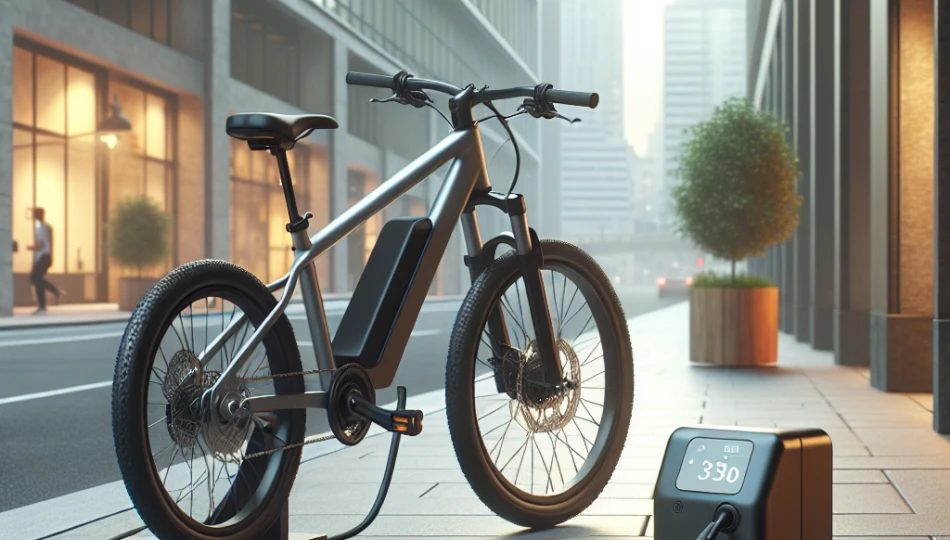
If you own an electric bike, you know how essential it is to keep your battery charged for a smooth and enjoyable ride. With the increasing popularity of e-bikes, many riders are looking for solutions to extend their riding time without being tethered to a plug. One common question arises: Are portable chargers available for electric bikes? Yes, they are! Portable chargers for electric bikes have become increasingly accessible, providing convenience and flexibility for cyclists everywhere. In this article, we will explore seven portable charger options that can save the day when you’re on the road.
1. Battery Packs Designed for E-Bikes
Battery packs specifically designed for electric bikes are among the most reliable portable charging solutions available. These battery packs are crafted to meet the power requirements of e-bikes, ensuring they provide adequate voltage and capacity.
- High Capacity: Many e-bike battery packs offer high-capacity options ranging from 500Wh to 1000Wh, allowing for a substantial charge.
- Compatibility: These packs are built to match voltage levels of standard e-bike batteries, ensuring safe and effective charging.
For example, brands like Bosch and Shimano produce battery packs that can serve as portable chargers during long rides or commutes. They can often be easily mounted or stored in a bag, making them a top choice for riders who frequently travel longer distances.
2. USB Power Banks
USB power banks have gained immense popularity for various devices, and they are now a viable option for powering e-bikes as well. These versatile chargers can be used to charge smaller e-bike components such as lights or GPS devices, and in some cases, can also charge the main battery.
- Universal Compatibility: Many modern e-bikes come with USB ports that allow for easy integration with standard USB power banks.
- Portability: They are lightweight and compact, making them easy to carry on longer rides.
A good example is a power bank with 10,000 to 20,000 mAh capacity, which can keep your devices running for an extended period. However, it is essential to verify if your specific e-bike model supports charging via a USB power bank.
3. Solar Chargers
Solar chargers have become increasingly popular for outdoor enthusiasts, and electric bike riders can also take advantage of this eco-friendly option. These devices utilize solar panels to convert sunlight into electrical energy for charging batteries.
- Eco-Friendly: By using solar energy, you can lessen your carbon footprint while enjoying your biking adventures.
- Independence: As long as there is sunlight, you can recharge your battery without relying on traditional power sources.
Solar chargers are particularly beneficial for long-distance rides where conventional charging options may be scarce. Brands like Ansmann offer portable solar chargers that can charge e-bike batteries effectively, making them a popular choice for off-the-beaten-path cyclists.
4. E-Bike Charger Adapters
E-bike charger adapters are an exceptional way to enhance your electric bike charging experience. These devices can convert standard electrical current into the correct output needed for e-bikes, allowing you to charge from various power sources.
- Versatility: With a good adapter, you can recharge your bike from car batteries or other devices.
- Travel Friendly: They are compact and easy to carry, making them optimal for trips.
For instance, using a car charging adapter can be a perfect solution on road trips. As long as you have access to a vehicle, you can connect your e-bike to a car battery, ensuring your battery remains charged for the remainder of your journey.
5. On-Bike Dual Charging Solutions
On-bike dual charging systems are innovative solutions for electric bike riders who want to eliminate the hassle of carrying extra charging equipment. This option enables the e-bike to charge itself while in motion, making it a great choice for long trips.
- Regenerative Braking: Some e-bikes are designed to harness energy during braking and use it to recharge the battery.
- Constant Charge: As long as you’re riding, your battery continues to receive a charge, extending your range.
This means you won’t have to worry about finding a charging station while you’re out for an adventure. Brands like Rad Power Bikes incorporate regenerative technology in their models, which allows cyclists to build up battery reserve simply by riding.
6. Compact and Foldable Chargers
Compact and foldable chargers are an excellent choice for riders looking for convenience without sacrificing efficiency. These chargers are designed to be lightweight and portable, making them easy to carry in a backpack.
- Ease of Storage: Their foldable nature means they take up minimal space when not in use.
- Quick Charge Options: Many models come with fast charging capabilities, allowing for a quick boost on the go.
One popular example is the Eco-Worthy portable charger, which can be folded down to fit into small storage compartments. These chargers are ideal for city commuters who may need charge support on busier days.
7. Smart Charging Systems
Smart charging systems are the pinnacle of modern charging technology for e-bikes. These systems monitor your battery health, charge cycles, and power consumption, allowing for optimized charging methods that prolong battery life.
- Battery Management: Advanced systems can detect which conditions would best suit your battery’s longevity and performance.
- Efficiency: They can adjust the charging speed based on the current battery power, ensuring you are always charged efficiently.
For example, systems that integrate with smartphone apps allow cyclists to manage their charging through real-time data, making it easier to plan rides based on battery levels. Smart chargers can help minimize battery degradation, thus prolonging the lifespan of your e-bike’s power supply.
Charging Tips for Electric Bike Owners
To maximize the benefits of portable chargers and ensure your e-bike remains charged and ready for long rides, here are some practical charging tips:
1. Understand Your Battery Capacity
Every electric bike has a different battery capacity, usually measured in watt-hours (Wh). Knowing your e-bike’s specific battery size helps you choose the appropriate portable charger. For example, if your e-bike battery has a capacity of 500Wh, using a portable charger with a lower capacity may not provide a full charge, limiting your range. Aim for a charger that can meet or exceed your battery’s capacity for optimal results.
2. Regular Maintenance of Batteries
It’s essential to maintain the health of your e-bike battery by periodically checking its voltage and overall performance. Keeping the battery’s terminals clean can improve connectivity and efficiency during charging. Moreover, ensuring that you store your battery in a cool and dry place when not in use can help prolong its lifespan. Many manufacturers also recommend avoiding full discharges, which can degrade battery health over time.
3. Plan Your Rides with Charging Opportunities
Before heading out, consider your route and the locations of charging stations along the way. This allows you to effectively manage your battery’s charge level and plan for any necessary stops. Utilizing charging opportunities at cafes or public facilities can significantly extend your riding range without the need to carry bulky chargers.
Benefits of Using Portable Chargers
Portable chargers bring various benefits to e-bike riders, enhancing their riding experience while also empowering them to tackle different terrains and lengths of journeys.
Enhanced Freedom for Long-Distance Rides
With a portable charger, riders can go on extended outdoor adventures without worrying about battery depletion. This setup offers the flexibility to explore remote areas, knowing that a recharge is possible if necessary. Whether you’re mountain biking on nature trails or cruising along urban routes, portable chargers ensure you can stay on the road longer and enjoy uninterrupted cycling.
Cost-Effective Solutions
Investing in a portable charger can result in significant long-term savings. Rather than frequently relying on charging stations that might charge high fees or might not be available during certain hours, owning a portable charger allows you to charge on your terms. Additionally, this capacity leads to decreased reliance on traditional electricity sources, possibly lowering your electricity bill if you utilize your portable charger optimally.
Increased Safety on the Road
Carrying a portable charger not only helps maintain battery levels but can also increase safety. Being caught with a depleted battery in remote locations could lead to unsafe situations, especially in bad weather or tough terrains. Having a portable charger on hand empowers cyclists to solve unexpected issues efficiently, leading to less stress on rides and ensuring safety is always prioritized.
Frequently Asked Questions
1. How long does it take to charge an e-bike battery using a portable charger?
The charging time varies based on the battery’s capacity and the power output of the charger. Generally, higher-capacity batteries will take longer to charge. Most standard e-bike batteries can take anywhere from 2 to 6 hours to charge fully, but using a specialized portable charger designed for fast charging can reduce this time significantly.
2. Can I use a regular power bank to charge my e-bike?
Many modern e-bikes feature USB charging ports, making them compatible with regular power banks, especially for small accessories. However, charging the main battery directly with a standard power bank may not be feasible due to voltage compatibility issues. It’s essential to consult your e-bike manufacturer for guidelines on using non-specialized charging equipment to avoid potential damage to your bike’s electrical system.
3. What should I do if my e-bike charges slowly?
If you experience slow charging, several factors may be at play. Firstly, ensure that your charging cable and connections are free from dirt and damage. Additionally, verify that your charger is suitable for your e-bike’s battery specifications. If the problem persists, it might be worthwhile to have the battery examined by a professional, as this could indicate underlying health issues.
4. How often should I charge my e-bike battery?
Maintaining a regular charging schedule is crucial for battery health. Bright and sunny days might tempt riders to overcharge, but it’s advised to recharge your battery when it dips to around 20-30% capacity. This practice helps preserve the battery cycle, prolonging the overall lifespan of the e-bike battery while ensuring you won’t run out of power when you need it most.
5. Are solar chargers efficient for e-bikes?
Solar chargers are a sustainable and renewable option, but their efficiency depends largely on sunlight availability. They can work well for gradual charges during long stops or slow rides. However, it’s recommended to combine the use of solar chargers with other charging methods, especially during periods of low sunlight to guarantee that your battery reaches sufficient levels for demanding rides.
6. Can I use my e-bike while it’s charging?
Using an e-bike while it’s charging is generally unsafe and not recommended. The charging process increases the battery’s internal temperature, and using the bike can cause additional heat and stress that may lead to battery damage. Always allow your bike to charge fully in a safe space before embarking on rides.
Summing It Up
For electric bike enthusiasts, portable chargers represent an essential component of modern cycling adventures. By understanding the various charging options available, such as battery packs designed specifically for e-bikes, USB power banks, solar chargers, and smart systems, riders can efficiently manage their power on the go. Additionally, adhering to charging best practices and being informed about their specific e-bike’s battery health will further enhance the riding experience.
Moreover, integrating portable charging solutions into your e-bike routine can enhance freedom, safety, and cost-effectiveness while allowing for enjoyable longer rides. With the right tools and knowledge, cyclists can explore beyond city limits into the great outdoors, all while feeling secure knowing their battery is well managed. Whether you’re an avid cyclist or just exploring the idea of electric biking, investing in portable charging solutions is a step toward an enjoyable riding experience.