
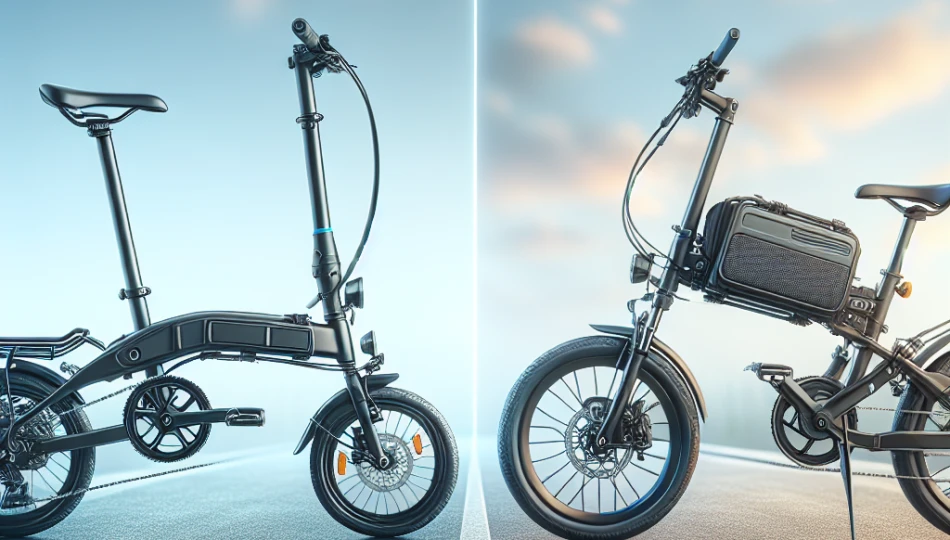
The popularity of bicycles has soared in recent years, evolving from traditional designs to innovative alternatives like electric bikes. Among these, folding electric bikes have emerged as a convenient option for commuters and casual riders alike. But how do they truly stack up against full-sized electric bikes? As urban mobility continues to be a focal point for many, the debate between folding electric bikes and their larger counterparts becomes increasingly relevant. How do folding electric bikes compare to full-sized ones? The answer is that folding electric bikes offer portability and convenience, while full-sized models generally provide better stability and performance.
1. Portability
One of the standout features of folding electric bikes is their portability. Designed for easy transport, these bikes can be collapsed quickly, allowing riders to take them on public transportation or store them in tight urban spaces.
- Foldable Design: Most folding electric bikes can be transformed from a full-sized bike into a compact package in just seconds.
- Weight Considerations: Many models weigh about 30-50 pounds, making them manageable for carrying or lifting.
- Storage Options: When not in use, these bikes can be stored in small areas like an apartment or office.
In contrast, full-sized electric bikes, while offering superior performance, can be cumbersome to transport. Their larger frame requires designated spaces for storage and is often too unwieldy to easily take on public transport. The added convenience of folding models makes them ideal for urban environments where space is at a premium.
2. Maneuverability
Folding electric bikes excel in maneuverability due to their lightweight and compact structure. This attribute is particularly beneficial in crowded city environments where quick turns and rapid navigation are essential.
- Size and Weight: The smaller stature allows for easier handling in busy settings.
- Quick Adjustments: Riders can expedite their decision-making without worrying about a larger bike’s handling.
Full-sized electric bikes, while sturdy and capable, can feel bulky, especially in tight spaces or during heavy traffic. However, their larger tires and frame can provide a smoother ride on uneven terrains, which may be lacking in a foldable model. For those who prioritize urban maneuverability, folding electric bikes are often the preferred choice.
3. Storage and Parking
In cities where parking space is limited, the ability to fold a bike becomes a significant advantage. Folding electric bikes can be tucked away almost anywhere, reducing worries about bike theft and space constraints.
- Compact Storage: Users can store them under desks, in closets, or even in car trunks.
- Reduced Theft Risks: Folding bikes can be brought indoors, making them less vulnerable to theft.
Conversely, full-sized e-bikes require designated parking spaces. Leaving them outside can expose them to theft or vandalism, especially in urban locations. The portability of folding models not only enhances convenience but also allows for more secure options when not in use.
4. Performance on Different Terrains
Performance can vary greatly depending on the type of bike. Full-sized electric bikes often outshine their folding counterparts when it comes to power and stability on various terrains.
- Engine Power: Full-sized bikes typically feature more robust motors, allowing for better performance on hills and rough roads.
- Tires and Suspension: Larger tires and enhanced suspension systems contribute to a smoother ride, particularly on uneven surfaces.
Folding electric bikes are designed primarily for urban environments and can struggle with steep inclines and rough terrain. Their smaller wheels and lighter frames do make them more manageable in city riding, but they often lack the power and features needed for substantial outdoor adventures. Therefore, while full-sized electric bikes may appeal to those seeking performance-oriented biking, folding bikes shine in urban settings.
5. Price Consideration
When it comes to price, folding electric bikes can often provide a more budget-friendly choice compared to full-sized models. Many entry-level options for folding bikes come in at a lower price point than full-sized electric bikes.
- Variety of Options: There are numerous affordable folding electric bikes available with different features.
- Budget-Friendly Models: Many brands offer great specs without breaking the bank.
Yet, this lower price point often means that folding electric bikes may not come with the same range of features or durability as full-sized ones. Higher-end full-sized electric bikes, while more expensive, can offer advanced technology, improved materials, and enhanced performance. Riders must consider their specific needs and budget when deciding between the two.
6. Battery Life and Range
Battery life and range are crucial considerations for electric bikes. Full-sized electric bikes usually feature larger batteries, providing a longer range compared to their folding counterparts.
- Long-Distance Riding: Full-sized models typically allow for a range of 30-50 miles on a single charge.
- Battery Capacity: The larger battery capacities are ideal for longer commutes or recreational rides.
Folding electric bikes, however, are often limited in range, with many models providing around 15-25 miles per charge. This makes them ideal for short commutes or leisurely rides. The choice between folding and full-sized bikes may hinge on how far a rider needs to travel on a routine basis, particularly for those looking for features that support longer trips.
7. Comfort and Ride Quality
Ride quality and comfort is a significant aspect that can influence a rider’s experience. Full-sized electric bikes are typically designed with ergonomic considerations that enhance comfort during long rides.
- Frame Geometry: They offer a more stable riding position, which is especially important for longer journeys.
- Cushioned Seats: Larger bikes often come with better seat options and additional suspension systems.
Folding electric bikes, while functional, may sacrifice comfort for portability. Their smaller frame can lead to a more cramped riding position, which may not be suitable for longer distances. For casual rides, folding bikes often suffice; however, anyone looking to cover greater distances should seriously consider a full-sized model for higher comfort levels.
Design and Aesthetics
The design of folding electric bikes often prioritizes compactness and functionality over aesthetic considerations. However, manufacturers are increasingly recognizing the importance of style, resulting in a variety of attractive models that cater to trendy urban dwellers.
- Compact & Stylish Options: Many brands focus on creating visually appealing designs that do not compromise on space-saving capability.
- Customization: Some folding electric bikes offer customizable colors and accessories, allowing riders to personalize their experience.
In contrast, full-sized electric bikes frequently feature a more robust design that can appeal to both performance enthusiasts and casual riders. Their larger frame allows for a variety of styles, from sleek road bikes to rugged mountain variants. Customers looking for robust aesthetics that mirror their riding style may prefer full-sized electric bikes.
The aesthetics of a bike can influence a rider’s connection to it, promoting a sense of pride and enjoyment in riding. With the trend towards stylish, modern designs in both categories, riders are no longer limited to utilitarian looks. Whether opting for the compact appeal of folding bikes or the classic charm of full-sized models, riders can find something that matches their personal style.
Environmental Impact
The advent of electric bikes, both folding and full-sized, represents a step toward sustainable transportation. They provide an eco-friendlier alternative to cars, helping reduce urban traffic and emissions.
- Lower Carbon Footprint: Riding an electric bike produces no direct emissions, contributing to cleaner air in urban areas.
- Battery Life Considerations: While the manufacturing of lithium batteries has environmental concerns, ongoing developments are addressing battery recycling and sustainability.
Folding electric bikes are particularly advantageous for urban settings, where they can aid in reducing congestion and pollution. For those who may still utilize cars for longer commutes, integrating a folding bike into their routine can significantly decrease their carbon footprint, especially when combined with public transportation.
While full-sized electric bikes also contribute to sustainability, their larger size may sometimes lead to a higher environmental impact during production. However, brands are increasingly promoting recycling initiatives for their bikes and components, offering riders an opportunity to promote environmental responsibility through their purchases.
Use Cases and Recommendations
Choosing between folding electric bikes and full-sized electric bikes can be influenced by intended use cases and rider lifestyles. An understanding of specific needs can streamline the decision-making process.
- Urban Commuting: Riders who navigate densely populated urban areas regularly may benefit more from a folding bike, facilitating easy storage and transport.
- Long-Distance and Recreational Riding: For riders who expect to cover longer distances or embrace weekend adventures, full-sized electric bikes present a more suitable choice due to their enhanced comfort and performance.
For commuters who may need to combine biking with public transport, a folding electric bike can easily be packed up and brought aboard buses or trains, mitigating concerns related to parking. Riders in urban environments can also capitalize on the bike’s lightweight characteristics, making it easier to navigate crowded streets or bike lanes.
Conversely, full-sized models cater to those seeking variety; whether it’s a rigorous commute, leisurely weekend rides on country roads, or off-road biking experiences. The diverse terrain capabilities paired with better range options ensure that riders can maximize their biking experience. Therefore, understanding one’s lifestyle and preferences is crucial when making a choice between the two types of electric bikes.
Frequently Asked Questions
1. Are folding electric bikes safe for long rides?
Folding electric bikes tend to be more suitable for short to moderate distances. While many models come equipped with adequate features, the structural integrity and comfort during long rides can vary. It is essential to choose a model that offers good stability and comfort if long rides are anticipated. Riders should assess aspects like frame materials, suspension, and seat cushioning before considering a folding bike for prolonged use.
2. How do I maintain a folding electric bike?
Regular maintenance of folding electric bikes involves standard bike care, such as keeping tires inflated, maintaining brakes, and ensuring that the folding mechanisms operate smoothly. Additionally, riders should pay attention to the battery health, ensuring it is charged appropriately without overcharging. Some brands also provide service centers for specialized maintenance, especially for the electrical components.
3. Can I take a folding electric bike on a plane?
Many airlines have specific regulations regarding transporting bikes, including electric models. Generally, folding electric bikes can be taken on planes, but riders need to ensure that the battery is removed, as most airlines do not permit lithium batteries in checked luggage. It is crucial to check with the specific airline for their rules and recommended packaging methods to ensure a hassle-free travel experience.
4. How much weight can folding electric bikes carry?
Most folding electric bikes have a maximum weight limit ranging from 250 to 300 pounds, which includes both the rider and any cargo. It is essential to consult the manufacturer’s specifications for each bike to ensure safe riding. Exceeding the weight limit can impact handling, performance, and durability, potentially leading to safety issues.
5. How can I improve the range of my electric bike?
Improving the range of an electric bike can involve several strategies. Regular maintenance to ensure the battery and electrical components are in good shape is crucial. Additionally, riding at lower assistance levels, maintaining optimal tire pressure, and minimizing overall weight by avoiding unnecessary baggage can extend battery life. Riders can also consider cycling at a moderate pace, as aggressive starts increase energy consumption.
6. Do folding electric bikes come with warranties?
Most manufacturers offer warranties on their folding electric bikes, which generally covers defects in materials and parts. Warranties can vary between brands and models, with some offering as long as two to five years on the battery and electric components. It is advisable to read the warranty terms carefully, as these can provide peace of mind and protection for your investment.
7. What accessories are recommended for folding electric bikes?
Accessories can significantly enhance the riding experience of folding electric bikes. Recommended accessories include a robust lock to prevent theft, a reliable helmet, lights for safety during night rides, and a rear rack or basket for cargo. Given the portable nature of these bikes, consider investing in a quality carry bag for easy transportation, and fenders to protect against splashes in wet weather.
Summing It Up
In conclusion, both folding electric bikes and full-sized electric bikes serve unique purposes and cater to different lifestyles. Folding models excel in portability, maneuverability, and urban convenience, making them an appealing option for short commutes and city dweller needs. They offer a compact solution for those who value storage options and ease of transport.
On the other hand, full-sized electric bikes provide superior performance, comfort, and range, appealing to riders looking for longer rides or off-road adventures. Understanding the distinctions and identifying individual riding requirements can lead to a more satisfying ownership experience and ensure that the chosen bike fits seamlessly into one’s lifestyle.
Ultimately, the decision between a folding electric bike and a full-sized model should be informed by an assessment of personal preferences, commuting needs, and riding style. Whether you prioritize portability or performance, there is an electric bike tailored to suit your biking journey.