
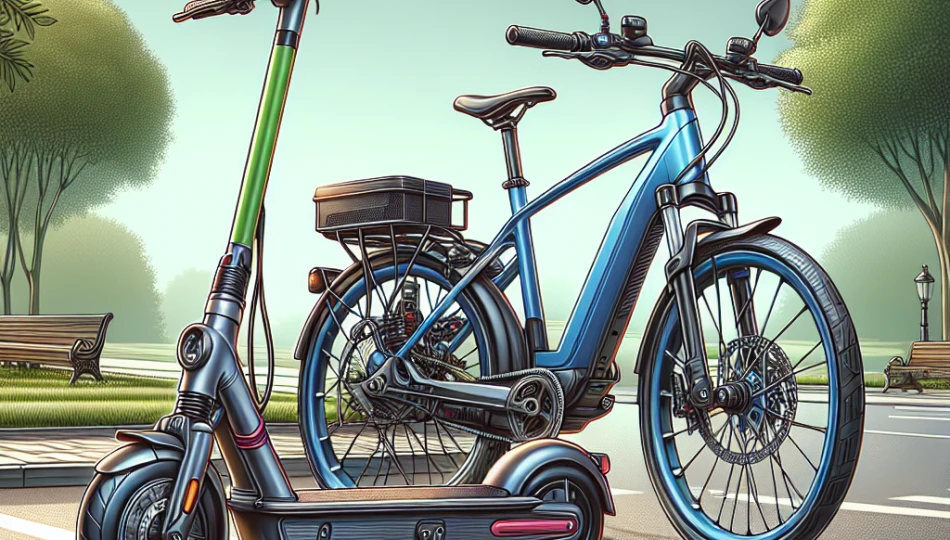
In recent years, personal electric transportation has surged in popularity, with many people opting for electric scooters and bikes as eco-friendly alternatives to traditional vehicles. The choice between an electric scooter and an electric bike often confounds potential buyers, who may wonder, how does an electric scooter compare to an electric bike? The answer lies in various factors including speed, range, portability, comfort, and more. Understanding these differences can help you choose the mode of transportation that best fits your lifestyle.
1. Speed
When it comes to speed, electric scooters and electric bikes offer different experiences. Generally, electric bikes can reach higher maximum speeds than electric scooters. Most electric bikes can travel between 20 mph to 28 mph, depending on the model and local regulations. In contrast, electric scooters often have a ceiling speed of around 15 mph to 20 mph. This discrepancy arises from the design and intended use of the vehicles.
- Electric bikes are designed for longer rides, allowing for higher speeds.
- Electric scooters are generally built for short-distance travel, making lower speeds sufficient.
For individuals looking for a quick commute or recreational ride, speed is a vital consideration. Electric bikes may be more suitable for those who prioritize speed as they navigate through city streets or country paths. However, for casual users, the speed of electric scooters may be adequate.
2. Range
Range refers to the distance an electric vehicle can travel on a full charge. Electric bikes typically boast a longer range compared to electric scooters. Most electric bikes can cover distances between 20 to 75 miles depending on their battery capacity and assist levels being used. Electric scooters, however, generally have a range of 15 to 40 miles. This variation can significantly impact the user’s choice based on daily commuting needs.
- Electric bikes excel for users needing longer travel distances without frequent charging breaks.
- Electric scooters are more convenient for short trips, especially in urban environments.
For instance, if you require a vehicle for a daily commute that exceeds 20 miles, an electric bike may be the right choice. Conversely, an electric scooter might be just what you need if short, quick jaunts around town are the bulk of your journeys.
3. Portability
Portability is crucial for urban dwellers or those with limited storage space. Electric scooters are generally lighter and more compact than electric bikes. Many models are foldable, making it easy to carry them onto public transport or store them in small apartments.
- Electric scooters tend to weigh between 20 to 30 pounds, making them easy to carry.
- Electric bikes can weigh upwards of 40 pounds, making them less convenient to transport.
This portability advantage makes electric scooters ideal for commuters who may need to navigate different transit options. However, for users who do not face portability issues, electric bikes may provide a greater sense of stability and control during longer rides.
4. Comfort and Ride Experience
Riding comfort can significantly affect the overall experience. Generally, electric bikes provide a different ride experience compared to electric scooters. Electric bikes feature larger wheels and better suspension systems, contributing to a more comfortable ride over various terrains.
- The upright seating position of electric bikes allows for better posture and comfort during long rides.
- Electric scooters have smaller wheels and often lack the suspension, leading to a bumpier ride, especially on uneven roads.
This difference in ride quality is crucial for users who have longer commutes or who often ride on rough terrains. Electric bikes tend to accommodate longer travel times, while electric scooters are more suited for quick trips over shorter distances.
5. Cost and Maintenance
Cost is a significant factor in the decision-making process. Generally, electric scooters have a lower upfront cost than electric bikes. Electric scooters can range from £300 to £1,200, while electric bikes usually start at around £500 and can go well beyond £2,500 for high-end models.
- Electric scooters require less maintenance due to their simpler mechanics, primarily consisting of a motor and battery.
- Electric bikes may need more frequent maintenance, including tire care, gear adjustments, and chain lubrication.
Users must consider their budget and how much they are willing to invest in both purchase and ongoing maintenance when deciding between the two options. If lower initial costs and minimal upkeep are priorities, an electric scooter may be preferable.
6. Environmental Impact
Both electric scooters and bikes are environmentally friendly options designed to reduce automobile reliance. However, their environmental impacts vary, particularly when considering materials used and life-cycle emissions. Electric scooters typically consume less energy per mile traveled than electric bikes, which can be advantageous for users aiming to minimize their carbon footprint.
- Both modes of transportation contribute to reducing traffic congestion and air pollution.
- The manufacturing and disposal processes of each vehicle may differ, affecting overall environmental impact.
For eco-conscious consumers, this difference may not only influence buying decisions but also inform their long-term commitment to sustainable transportation choices. An electric bike might offer a wider range for potential travel, while an electric scooter utilizes energy more efficiently for shorter travels.
7. Regulations and Licensing
Before making a decision, it’s important to understand the regulatory landscape surrounding electric scooters and electric bikes. Many regions have specific laws governing the use of these vehicles, including age restrictions, helmet requirements, and where they can be ridden (bike lanes, sidewalks, roads).
- In general, electric bicycles may be classified into different categories, which can require specific licensing or registration.
- Electric scooters often have fewer regulations but can vary significantly by location.
Understanding local laws can help you choose the vehicle that will be the most hassle-free in terms of compliance. Knowing the requirements can save potential fines and ensure a safe riding experience.
Choosing the Right One for You
When weighing options between electric scooters and electric bikes, it’s essential to consider your usage patterns, lifestyle needs, and preferences. Are you commuting daily, enjoying leisurely rides, or perhaps running errands around the city? Each mode of transportation caters to distinct user requirements. For example, if your trips are primarily under five miles, an electric scooter might offer the ideal combination of simplicity and efficiency.
In contrast, if you find yourself frequently traveling longer distances or encountering hilly terrain, an electric bike could provide a more comfortable and sustainable alternative. Also, consider user experience – if you are someone who enjoys bike riding and outdoor experiences, an electric bike can enhance that passion while providing the benefit of electric assistance. Making an informed choice now will significantly influence your satisfaction in the long term.
Safety Considerations
Safety is paramount when choosing between electric scooters and electric bikes. Both vehicles come with their unique set of safety considerations. Electric bikes typically feature conventional bike safety gear such as robust brakes, headlights, and turn signals, which makes them suitable for city riding and longer commutes. Riders are encouraged to use helmets and adhere to traffic rules to enhance safety.
On the other hand, while electric scooters can also be fitted with safety gear, they are often used in situations with varying levels of visibility and traffic conditions. The small size and speed can make electric scooter riders more susceptible to accidents if riders do not stay aware of their surroundings. Investing in reflective vests, lights, and upgrading to models with better braking systems can help mitigate risks.
Storage and Security
Storage and security are additional factors that affect the practicality of electric scooters versus electric bikes. In urban settings, it’s important to consider where and how you will store your vehicle. Many electric scooters are designed to be easily foldable, allowing for simple storage in small apartments or office spaces. Further, a foldable scooter is less likely to become an easy target for theft.
Electric bikes, however, may need more space and specialized locks for securing them to bike racks. As bikes often come with higher price tags, the risk of theft can be a concern. Given their bulk and weight, it may be more challenging to secure them safely compared to compact scooters. Riders should consider investing in high-quality, robust locks to deter thieves and explore bike storage options such as bike garages or designated lockup spaces in urban environments.
Maintenance Requirements
While both electric scooters and electric bikes require maintenance, the specific needs can vary significantly. Electric scooters generally have simpler mechanics, which results in less frequent and less intensive maintenance. Basic care includes checking the battery performance, maintaining the tires, and ensuring the brakes function correctly. Given their straightforward structure, electric scooters can often be self-serviced by owners, saving on repair costs.
On the other hand, electric bikes can require more regular check-ups and preventive maintenance. This often includes tire upkeep, chain lubrication, and brake adjustments. Additionally, if an electric bike includes multiple gears or advanced features like hydraulic brakes, they may necessitate professional monitoring and adjustments. Understanding the maintenance commitment for each vehicle type can help users budget their time and finances accordingly.
Community and Support Networks
Both electric scooters and bikes benefit from vibrant user communities that offer support, advice, and camaraderie. Numerous online forums, social media groups, and local meet-ups can be found where users discuss everything from maintenance tips to ride experiences. Engaging with these communities can enhance your experience and provide valuable insights, fostering a sense of belonging and support among like-minded individuals.
Furthermore, community events focused on biking or scooting, such as group rides or advocacy days, can also provide educational resources on safety measures, rules of the road, and even introductory riding classes. Building connections within the scooter or biking community can lead to a more enriching and enjoyable experience as you share adventures and tips with fellow riders.
Frequently Asked Questions
1. Are electric scooters worth the investment?
Electric scooters can be worth the investment if you frequently travel short distances and require a portable and cost-effective transport option. They are ideal for urban environments where parking and congestion can be problematic. Additionally, with their lower initial purchase price compared to electric bikes, they can be appealing for budget-conscious consumers.
2. How do you charge an electric scooter or bike?
Charging both electric scooters and bikes is straightforward. Most come with a standard wall charger that plugs into the vehicle’s battery, which is typically removable for convenient charging. Charging times can vary; electric scooters usually take about 3-5 hours, while electric bikes may take anywhere from 2-8 hours, depending on the battery capacity and remaining charge level.
3. Can you ride an electric bike without the electric assistance?
Yes, most electric bikes can be ridden like traditional bicycles, allowing users to pedal without engaging the electric motor. This feature is especially useful on days when you want to exercise without relying on the battery. These dual-function capabilities can offer flexibility and extended travel for riders.
4. How do weather conditions affect performance?
Both electric scooters and bicycles can be affected by weather conditions. Rain, snow, and icy roads can decrease traction and overall safety for both types of vehicles. However, electric bikes generally have sturdier build quality, allowing for better performance in adverse conditions. It’s advisable to check for weather-appropriate tires and to consider investing in proper rain gear for any extended periods of riding during inclement weather.
5. Is it necessary to have a driver’s license to operate an electric bike or scooter?
The licensing requirements for electric scooters and bikes can vary widely depending on the region. Some areas may require no license, while others might mandate a specific class of license or age restrictions. It’s crucial to check local laws before using the vehicle to ensure compliance and avoid potential fines.
6. Can I customize my electric scooter or bike?
Yes, many users choose to personalize their electric scooters and bikes to enhance aesthetics or functionality. Accessories such as lights, baskets, custom grips, or even paint jobs can allow users to express their personality. However, be mindful not to alter or remove components that may affect safety or compliance with regulations.
7. How do I decide between a scooter and a bike for my daily commute?
Evaluate your commute needs and personal habits. If your rides are short and you require a portable option, an electric scooter might be the best choice. However, if you regularly travel longer distances, face hills, or want a more comfortable ride, an electric bike is likely to serve you better. Consider factors like your physical comfort, ride quality preferences, and how you plan to store the vehicle when not in use.
Summing It Up
Choosing between an electric scooter and an electric bike depends on various factors including speed, range, portability, and maintenance. Electric bikes typically provide longer ranges and comfort, while electric scooters excel in portability and cost-effectiveness. Safety considerations, storage options, and community support can also play significant roles in your decision-making process.
Ultimately, understanding your commuting habits, lifestyle preferences, and local regulations will guide you toward the ideal electric vehicle. Whether you opt for an electric scooter for its convenience or an electric bike for its comfort and versatility, both choices enable you to embrace a more sustainable and enjoyable mode of transportation. As personal electric transport continues to evolve, making an informed choice will ensure your journey is as fulfilling as possible.