
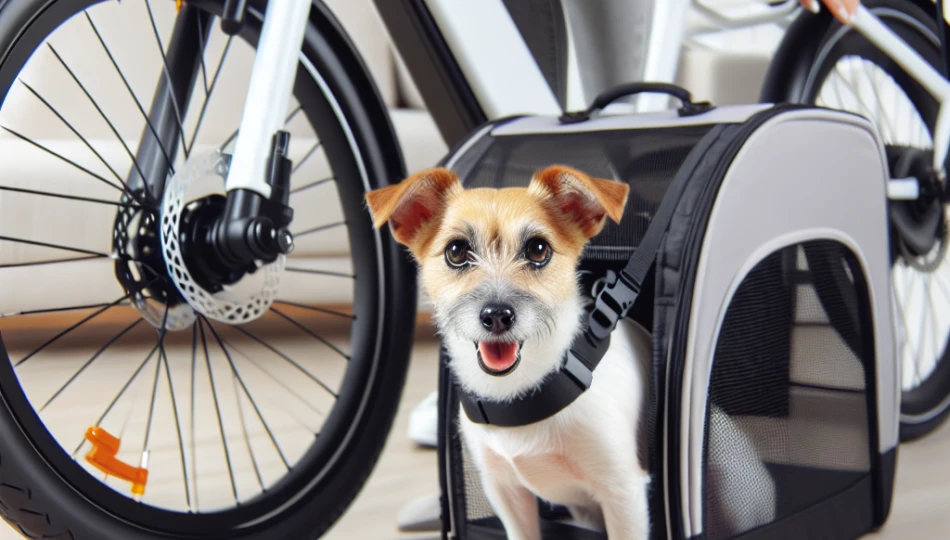
As electric bikes (e-bikes) gain popularity as an eco-friendly mode of transport, many pet owners are wondering about the safety of taking their furry companions along for the ride. With pet carriers becoming more common accessories for e-bikes, a noteworthy question arises: Are electric bikes safe for pets in carriers? The answer is a cautious yes, but there are essential factors that every pet owner should consider to ensure a safe and enjoyable experience for their pets.
1. Quality of the Carrier
The first and foremost aspect to ensure pet safety while biking is the quality of the pet carrier. A sturdy, well-constructed carrier can withstand the rigors of cycling while keeping your pet secure.
- Material: Look for carriers made from durable materials that can support your pet’s weight without bending or breaking.
- Secure Fastenings: Ensure that the carrier has reliable zippers, buckles, or clasps that will prevent your pet from escaping.
- Breathability: Choose a carrier with ample ventilation to keep your pet comfortable during the ride.
For example, carriers made from reinforced nylon or polyester offer great durability. Additionally, the carrier should not only be tough but also feature reflective strips or bright colors for visibility, especially if you’re cycling in low-light conditions.
Lastly, it’s ideal to select a carrier with safety straps that allow you to secure it to the bike rack properly. This will minimize the risk of it tipping over during sudden stops or turns, making the journey safer for your beloved pet.
2. Weight Limit and Size Considerations
Every carrier comes with a weight limit that you must adhere to, making it crucial to assess not just your pet’s weight but also the size of the carrier itself.
- Matching Size: Ensure that the carrier is spacious enough for your pet to sit, stand, and turn around comfortably.
- Weight Capacity: Overloading the carrier can compromise its structural integrity, making it unsafe.
You should weigh your pet and compare it with the manufacturer’s stated weight limit. Some carriers are designed for smaller animals, so if you have a larger pet, ensure that you select a carrier specifically rated for their size and weight.
Additionally, consider how your pet interacts with the carrier; they should have enough room to adjust their position if they feel uneasy or stressed during the ride. If they are crammed into a small space, this could lead to anxiety and potential injury.
3. Riding Conditions
The environment in which you ride your e-bike is a critical factor in the safety of your pet in a carrier. Smooth, paved roads are ideal, while bumpy or uneven terrain can pose risks.
- Terrain Type: Avoid rough trails or steep hills that can lead to jostling.
- Weather Conditions: Ensure that the weather is suitable; hot or rainy conditions can be hazardous.
For instance, riding on dirt paths or cobblestoned streets can cause sudden jolts that might startle or injure a pet in a carrier. Look for bike paths or designated lanes that offer a smoother ride. Additionally, if it’s a hot day, taking breaks in shaded areas for your pet to cool off will be beneficial.
Understanding the environment you’re cycling in will help you prepare and adjust your ride accordingly, ensuring the comfort and safety of your pet throughout the journey.
4. Safety Measures While Riding
Implementing safety measures while riding an electric bike is crucial for protecting both yourself and your pet. Whether it’s adhering to traffic regulations or ensuring your pet is snugly secured, taking precautions can significantly minimize risks.
- Obey Traffic Laws: Always follow traffic signals and rules to avoid accidents.
- Stay Visible: Wear reflective gear and ensure your bike has lights.
For example, when you plan a ride, check your route for bike paths and avoid heavily congested roads where sudden movements are common. This not only increases your safety but also helps keep your pet calm and secure in the carrier.
Also, practicing how to ride with the added weight of a pet can make a significant difference. Get accustomed to quick stops and turns before embarking on longer trips to ensure that both you and your pet feel stable and secure throughout your journey.
5. Acclimatization of Your Pet
Introducing your pet to the experience of riding in a carrier on an electric bike is essential. Rapid changes can cause anxiety and panic for your furry friend, so gradual acclimatization is key.
- Short Trips: Start with brief rides around the neighborhood.
- Positive Reinforcement: Use treats and praise to create a positive association with the carrier and biking.
This means allowing your pet to explore the carrier first. Let them play around in it at home, and eventually secure them in it while stationary to help them feel comfortable with it. Once they are fully adapted to the carrier at home, you can start taking them on short rides, gradually increasing the length as they grow more accustomed to the movement.
Every pet is different; some may take to the carrier swiftly, while others might require a more extended adjustment period. Watch for signs of stress, and be patient as your pet learns to feel safe in this new mode of transport.
6. Proper Ventilation and Temperature Control
When transporting pets, especially in carriers, maintaining a comfortable temperature is vital. E-bikes can accelerate with speeds that could lead to overheating if proper precautions aren’t taken.
- Ventilation: Make sure the carrier has sufficient airflow.
- Temperature Checks: Regularly check on your pet during the ride to prevent overheating or coldness.
Choose a carrier with mesh panels or vents to aid in airflow while also ensuring that the carrier isn’t tightly sealed. On particularly hot days, consider using an insulated pad inside the carrier to keep your pet cooler.
Additionally, make frequent stops during longer rides to allow your pet to drink water and cool down. This kind of attention to your pet’s comfort can make all the difference in ensuring a pleasant and safe biking experience.
7. Emergency Preparedness
Even with all safety measures in place, emergencies can still happen, so being prepared is essential. Consider how you would respond to potential mishaps during your ride.
- First Aid Kit: Always carry a pet first aid kit specifically designed for your pet.
- Know the Nearest Vets: Familiarize yourself with nearby veterinary clinics in case of an emergency.
Having items like bandages, antiseptic wipes, and contact information for local veterinarians can provide peace of mind while riding. You can also consider taking a pet first aid training course to learn how to manage potential injuries on the go.
Establishing a plan ahead of time will help you react calmly if an issue arises. The more prepared you are, the more secure and enjoyable your rides will be for both you and your pet.
Choosing the Right Electric Bike for Pet Carriers
Selecting an appropriate electric bike is just as important as choosing the right carrier for your pet. Not all e-bikes are designed with the stability needed to safely transport a pet while riding.
- Frame and Stability: Look for an e-bike with a sturdy frame that can bear additional weight.
- Weight Capacity: Ensure that the bike can handle not only your weight but also the weight of your pet and the carrier.
The frame of the bicycle plays a crucial role in the overall balance, especially while carrying a load. A bike with a lower center of gravity can provide enhanced stability, making it easier to steer and control, particularly on uneven paths. It’s crucial to pay attention to the weight capacity listed in the bike’s specifications—this should comfortably exceed the combined weight of the rider, the pet, and the carrier.
Additionally, it’s worth considering an e-bike specifically designed for cargo or urban commuting, as these often have features that contribute to a more secure ride for both you and your pet. Look for components like wider tires for improved traction, and a robust braking system to handle the extra weight more effectively.
Tips for a Safe and Enjoyable Pet Riding Experience
Making e-biking a fun adventure for your pet is possible by considering certain additional tips while riding.
- Practice Gradually: Just like acclimatizing your pet to the carrier, gradually introduce them to longer rides.
- Frequent Breaks: Taking regular pauses not only allows your pet to stretch and relieve themselves; it also lets them enjoy the scenery.
When you begin increasing ride lengths, choose familiar routes where your pet feels secure and gradually introduce new paths. This approach minimizes anxiety and can help enhance your bond during your biking experience. Frequent breaks allow your pet to have a mental reset and can prevent feelings of stress or overexertion.
Engaging in gentle conversation or giving treats during stops can create positive associations and continuity for your pet. Remember, your pet’s well-being should always be the priority, so ensure they have water available at all times during breaks and avoid riding too close to extreme weather conditions.
Projects for Your Pet’s Comfort in the Carrier
Enhancing your pet’s comfort in their carrier will help create a more enjoyable ride. Some basic projects can significantly improve their experience and safety during your cycling adventures.
- Padded Inserts: Consider creating or purchasing padded inserts or cushions that fit snugly within the carrier.
- Safety Harness: Utilize a safety harness attached to the carrier to keep your pet tethered and prevent them from jumping out.
Padded inserts can alleviate pressure points and create a more calming, cozy environment for your pet during rides. These can be made with soft materials that can easily be removed and washed—keeping hygiene in mind is essential when dealing with pets.
A safety harness is a simple yet effective tool that can prevent unexpected escapes while still allowing your pet some mobility within the carrier. It’s crucial that the harness fits well; a poorly fitting harness can cause discomfort or potentially lead to injury. Many carriers come equipped with built-in harness clips or attachments, making it easier for integration.
Frequently Asked Questions
1. Can my pet go in a carrier while I’m riding an e-bike?
Yes, many pets can safely travel in a well-designed carrier on an e-bike. However, it’s crucial to assess your pet’s size, temperament, and comfort level in the carrier before embarking on any long rides. Gradually exposing them to the carrier and then to bike rides is key to ensuring they feel safe and secure.
2. How can I train my pet to ride safely in a carrier?
Training your pet begins with acclimatization. Allow them to explore the carrier and reward them for entering it with treats. Next, secure them within the carrier while stationary, offering treats and praise. Once they are accustomed to being inside the carrier, take short trips around your neighborhood, gradually increasing the duration as they become more comfortable.
3. What are the best types of harnesses for pets in bike carriers?
Look for a harness that is designed for safety and durability. A good pet harness should allow your pet to lie down, sit, and turn around, while simultaneously preventing them from jumping out of the carrier. Additionally, padded and adjustable straps are ideal to ensure maximum comfort for your pet during rides.
4. Are there specific e-bikes designed for pet carriers?
While many e-bikes can accommodate pet carriers, some models are specifically designed for carrying loads, including pets. Look for attributes like a sturdy rear rack, low step-through frames, and integrated safety features. Cargo bikes or those labelled as family or hybrid bikes are often equipped with the necessary space and stability to safely carry pets.
5. How do I know if my pet is comfortable during the ride?
Monitor your pet’s behavior throughout your ride. Signs of discomfort can include excessive panting, whining, or an inability to settle within the carrier. Regularly checking on them, particularly during prolonged rides, will help you gauge their comfort level. If your pet appears restless or agitated, consider taking more breaks or adjusting your plans to ensure their well-being.
6. Can I use a regular pet carrier for biking?
While many pet carriers can be used while cycling, it’s recommended to choose a carrier specifically designed for biking. Regular carriers might not offer the necessary stability or safety features required for the movement and speed associated with biking. Always check the carrier’s weight limit and attaching capability before using it for bike rides.
7. What should I carry with me during bike rides with my pet?
During your rides, it’s crucial to carry essential items for both you and your pet. Bring plenty of water for hydration, a collapsible water bowl, a first aid kit for any emergencies, a supply of poop bags for clean-ups, and treats to reward your pet throughout the journey. Having these items readily available will ensure a smooth and stress-free trip.
Summing It Up
Transporting your pet via an electric bike can lead to delightful adventures, provided necessary precautions are taken. From ensuring you have a high-quality carrier and choosing the right e-bike to acclimatizing your pet and being prepared for emergencies, safety is paramount. Your furry friend’s comfort should be at the forefront of your biking plans, and successful journeys will rely on gradual adjustments and proper gear.
By following the guidelines outlined in this article, including safety measures, understanding riding conditions, and preparing for possible emergencies, you can create a secure and enjoyable experience for both you and your pet on e-bike journeys. With patience and care, biking with your furry friend can become a cherished pastime that strengthens your bond and enriches both your lives.