
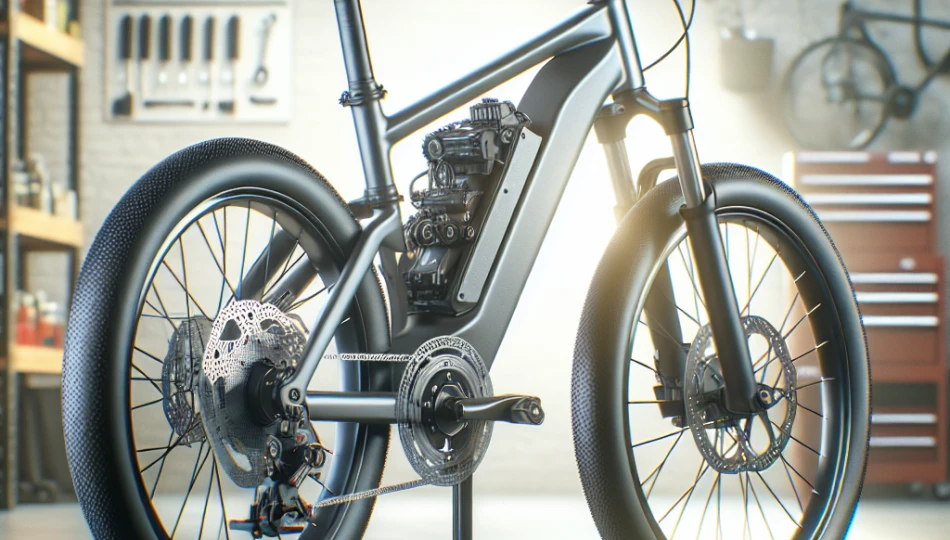
As electric bikes gain popularity among commuters and recreational cyclists alike, it’s important to maintain their various components for a smooth and safe riding experience. One of the most crucial aspects of bike maintenance is ensuring that your brakes are functioning optimally. How can you keep your electric bike brakes in good condition? The answer is simple: by following a regular maintenance routine that includes inspection, cleaning, and timely replacements. In this article, we will explore seven essential tips to help you keep your electric bike brakes in top condition.
1. Regularly Inspect Brake Components
One of the most effective ways to keep your electric bike brakes in good shape is through regular inspections. Set aside time to closely examine the various components of your braking system, including the brake pads, rotors, and cables. Doing this can help you catch any wear and tear early, preventing potential issues that could arise when you least expect them.
- Check brake pads for excessive wear. They should have a sufficient amount of rubber left to ensure effective stopping power.
- Inspect the rotors for any warping or significant scratches. This can affect how smoothly your brakes operate.
- Examine the cables and housing for fraying, rust or damage that could hinder performance.
When carrying out this inspection, try to do it at least once a month, or more frequently if you ride your bike often or in harsh conditions. A visual check shouldn’t take much time, and it can save you from more significant repairs down the line.
2. Clean Your Brakes Regularly
Just as your bike requires cleaning to maintain its overall appearance, the brakes demand attention as well. Dirt, grime, and other debris can accumulate on the brake pads and rotors, affecting their performance. Regular cleaning helps maintain their effectiveness and prolongs the life of your braking system.
- Use a mild detergent mixed with water to clean the brake components. Avoid harsh chemicals that can degrade the materials.
- Rinse thoroughly to prevent any soap or cleaning residue from affecting brake performance.
- Dry all components thoroughly before reassembling them.
Cleaning is especially important if you often ride in muddy or wet conditions, as this can cause more buildup on your brakes. After cleaning, you may also want to consider wearing gloves while handling brake components to keep them free of oils and dirt from your hands.
3. Adjust Brake Tension
Brake tension is crucial for safety and comfort while riding. If the brakes are too tight, they may wear out quickly; if they’re too loose, the bike may not stop effectively. Adjusting the brake tension to the right level can help you achieve optimal performance and extend the lifespan of brake components.
- Use the adjustment screws on the brake levers to fine-tune the tension based on your preferences and riding style.
- Test the brakes after making adjustments to ensure they engage smoothly and provide adequate stopping power.
- Refer to your electric bike’s manual for specific instructions related to your model.
If you’re unsure how to adjust the brake tension, consult a professional bike technician or a friend with mechanical knowledge. Keeping the brakes at the proper tension will make your rides more enjoyable and safe.
4. Replace Worn Brake Pads Promptly
Brake pads are consumable components and will wear out over time, especially with frequent use. Ignoring the need for replacement can lead to compromised braking performance, which poses a safety risk. Therefore, it’s vital to monitor their condition continually and replace them when necessary.
- Look for wear indicators on brake pads, such as grooves or markings that show when they are nearing the end of their life.
- Replace brake pads at the first signs of significant wear, rather than waiting until they’re completely worn down.
- Consider investing in high-quality brake pads designed specifically for electric bikes for better durability and performance.
Replacing worn brake pads promptly not only ensures your safety but can also improve your bike’s overall performance. New pads generally provide better grip and stopping power, which is particularly important when navigating busy streets or steep slopes.
5. Keep Brake Rotors in Good Shape
The braking system on your electric bike includes rotors, which play a key role in stopping the bike effectively. Maintaining the integrity of these components is just as vital as caring for your brake pads. A well-maintained rotor ensures that your brakes function properly and provide optimal stopping force.
- Regularly check for warping, cracks, or scratches, as these can hinder the braking process and lead to uneven wear on brake pads.
- Clean rotors using isopropyl alcohol and a lint-free cloth to remove accumulated dirt or oil.
- If rotors become warped, they may need to be straightened or replaced altogether.
Make it a habit to inspect your rotors during your regular brake inspections to catch any problems early. Prolonged use of damaged rotors can lead to further complications within the braking system, costing you more in repairs.
6. Ensure Proper Cable Tension and Condition
The cables that connect your brake levers to the braking system are crucial for responsiveness and performance. Over time, these cables can wear out, fray, or become corroded. Ensuring that they are in good condition and properly tensioned will go a long way in maintaining effective braking action.
- Check cables for signs of fraying or rust, especially where they connect to the brake levers and calipers.
- Adjust cable tension by using the tension adjusters typically found at your brake levers if they feel too loose.
- If cables appear excessively worn or damaged, replace them immediately to prevent brake failure.
Replacing cables may seem daunting, but it can be done at home with the right tools and instructions. A well-maintained cable system will ensure that your brakes engage promptly when needed, enhancing your safety on the road.
7. Store Your Electric Bike Properly
Where and how you store your electric bike can impact not just its overall condition, but specifically the functionality of its brakes. Exposure to environmental factors such as humidity, rain, and direct sunlight can lead to premature wear and breakdown of brake components.
- Store your bike in a dry, cool place, and consider using a bike cover to protect it from moisture and dirt.
- If possible, avoid leaving your bike in direct sunlight for prolonged periods, as UV rays can degrade materials.
- Regularly check your bike’s storage conditions and make adjustments as necessary to protect it from the elements.
Proper storage not only extends the life of your electric bike brakes but also helps maintain the integrity of the entire bicycle system. By protecting your bike from harsh conditions, you will find that many components, including the brakes, require less maintenance over time.
The Importance of Brake Fluid Maintenance
Brake fluid plays a crucial role in the hydraulic braking systems of many electric bikes. This fluid is responsible for transferring force from the brake lever to the brake pads, allowing the bike to stop efficiently. Over time, brake fluid can absorb moisture and contaminants, leading to decreased brake performance. Therefore, monitoring and changing your brake fluid as part of your maintenance routine is essential.
- Check the brake fluid level regularly, especially before long rides. A low level can indicate leaks or increased consumption, both of which need to be addressed.
- Look for discoloration or cloudiness in the brake fluid. Fresh brake fluid is typically clear or lightly colored. Discolored fluid may need to be replaced.
- Consult your electric bike’s manual for specific brake fluid replacement intervals, as the recommended timeline may vary based on usage and bike model.
When it comes to changing brake fluid, ensure you are using the correct type as specified by your manufacturer. In many cases, bleeding the brake system is also necessary to eliminate any air bubbles that could hamper performance. Proper maintenance of brake fluid will lead to a more reliable braking experience and enhance overall bike safety.
Choosing the Right Brake Type for Your Electric Bike
When considering the best brake system for your electric bike, it’s crucial to understand the different options available. The most common types are disc brakes and rim brakes, each with unique advantages and considerations.
- Disc Brakes: These brakes can be either hydraulic or mechanical. They are generally more effective in wet conditions and provide superior stopping power. However, they can be heavier and more complex to maintain.
- Rim Brakes: These are lighter and easier to work on, making them a popular choice among casual riders. However, they may struggle in extremely wet conditions and can wear the rim over time.
When choosing a brake system, consider factors such as the type of terrain you ride on, your weight, riding style, and frequency of use. For instance, if you live in an area with steep hills, disc brakes may be a better option due to their superior stopping power and heat dissipation. Meanwhile, if you’re an urban commuter on flat terrain, rim brakes could suffice and will likely require less maintenance.
Upgrading Your Brake Components
Once you’ve established a solid maintenance routine, you may find it beneficial to upgrade your brake components. Higher-quality brake pads, rotors, or entire brake systems can significantly enhance your electric bike’s braking performance, safety, and comfort.
- Consider investing in sintered or metallic brake pads if you frequently ride in wet or hilly conditions. They tend to last longer and perform better under the same conditions compared to organic pads.
- Upgrading to larger rotors can provide more heat dissipation and better braking performance, particularly on longer descents.
- If you’re using rim brakes, you might explore options like lightweight aluminum or carbon rim brake pads for improved performance.
These upgrades can not only improve your bike’s stopping power but may also enhance your overall riding experience. For example, better-performing brakes often lead to increased rider confidence, allowing for more adventurous trails or faster speeds on descents.
Frequently Asked Questions
1. How often should I inspect my electric bike brakes?
It’s recommended to inspect your electric bike brakes at least once a month. However, if you frequently use your bike or ride in harsh conditions, consider increasing the frequency of inspections. Regular checks will help you catch any wear or damage before it becomes a serious issue.
2. What should I do if my brakes feel spongy?
A spongy brake feel typically indicates air in the brake line or low brake fluid levels. Start by checking and refilling the brake fluid. If that doesn’t solve the issue, you might need to bleed your brakes to remove any trapped air. If you’re not comfortable doing this yourself, it’s best to consult a professional bike technician.
3. Are hydraulic brakes better than mechanical brakes for electric bikes?
Hydraulic brakes generally offer more powerful stopping force and require less effort at the lever. They also tend to provide a more consistent performance under different conditions. However, they can be more complex to maintain and repair. Ultimately, the choice depends on your riding style and what you feel comfortable managing.
4. Can I clean my brake pads?
Yes, in certain situations, you can clean brake pads, especially if they have accumulated dirt or oils. Use isopropyl alcohol and a soft cloth to clean them. However, if the pads show significant wear or if cleaning does not restore their grip, it’s best to replace them.
5. How do I know if my brake rotors need replacing?
Check your brake rotors for signs of warping, scoring, or significant wear. Also, if you notice a decrease in braking performance, such as noise or vibration when braking, it may indicate that your rotors are due for replacement. Many manufacturers recommend replacing rotors if they have reached their minimum thickness, which can be measured using a caliper tool.
6. Is it necessary to wear gloves while handling brake components?
Wearing gloves while handling brake components, especially brake pads and rotors, is a good practice. This prevents oils and dirt from your hands from contaminating the components, which can significantly diminish braking performance. Clean hands lead to cleaner components, hence better performance and longevity.
7. What are the most common causes of brake failure in electric bikes?
Common causes of brake failure include worn brake pads, low brake fluid, damaged cables, or faulty components. Failing to maintain the braking system and neglecting regular inspections can also contribute. Being proactive with maintenance and addressing any issues promptly can prevent brake failure and ensure a safer ride.
Summing It Up
Maintaining your electric bike brakes is essential for ensuring your safety and enjoying a smooth ride. By implementing the seven tips discussed – regular inspections, cleaning, adjusting brake tension, replacing worn pads, keeping rotors in shape, ensuring cable condition, and storing properly – you can keep your brakes functioning optimally. Furthermore, understanding brake fluid maintenance, the best brake types for your bike, making informed upgrades, and addressing frequent questions surrounding brake care can provide you with a comprehensive approach to bike safety and performance.
Investing time and effort into maintaining your electric bike brakes not only safeguards your riding experience but can also save you money by preventing costly repairs in the future. With diligent care, your brakes will perform reliably, allowing you to ride confidently, whether you’re commuting through the city or taking on challenging trails.