
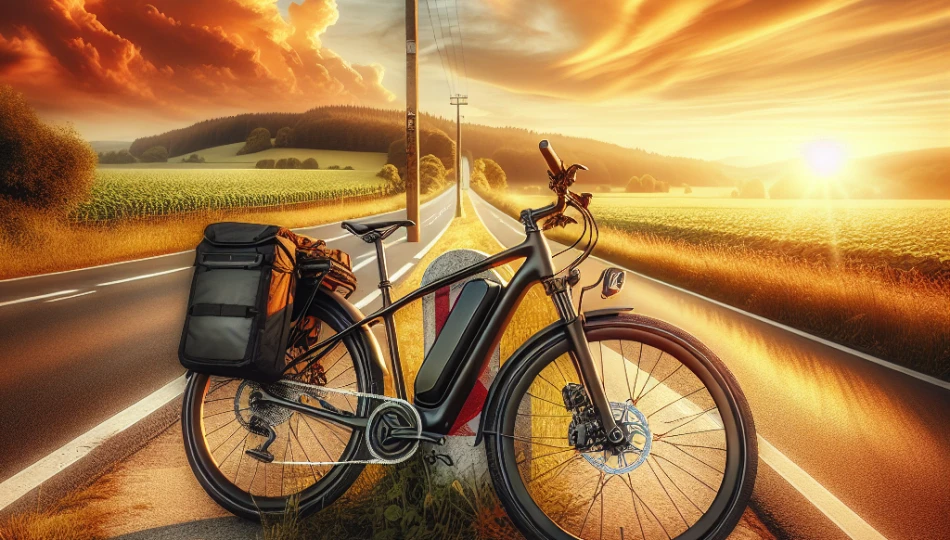
With the increasing popularity of electric bikes, many adventure enthusiasts are turning to them for long-distance touring. These bikes not only provide a boost to your pedaling power but also enable you to explore new terrains with less fatigue. If you’re considering embarking on a long-distance cycling trip, you might be asking yourself, “How do I choose the right electric bike for long-distance touring?” The answer lies in understanding the essential features that will enhance your touring experience while ensuring comfort, reliability, and efficiency.
1. Battery Capacity and Range
The most critical factor when selecting an electric bike for long-distance touring is the battery capacity. Long journeys often span anywhere from 50 to 100 miles or more, so having a bike with a sufficient range is paramount. Electric bike batteries are measured in watt-hours (Wh), and a bike with a higher Wh rating typically offers a greater range.
- Battery size: Look for a battery that can provide at least 500 Wh for long excursions. Some models even offer batteries of 1000 Wh or more to cater to extensive touring needs.
- Assisted range: Understand the assisted range you can expect from the battery. Manufacturers usually provide estimates; for example, a 500 Wh battery might offer a range of 30 to 70 miles, depending on the level of pedal assist used.
- Battery type: Lithium-ion batteries are standard due to their lightweight and high energy density. Always consider replacement costs and availability too.
An adequate battery allows you to plan your routes without constantly worrying about recharging. Additionally, some electric bikes offer removable batteries, making it easier to recharge them at your lodging or while taking breaks along your route.
2. Motor Power and Type
The motor is what gives an electric bike its functionality, so consider both the power and the positioning of the motor. Electric bikes generally have motors rated anywhere from 250W to 750W, with higher wattage often translating to stronger performance, especially on inclines.
- Motor location: You can choose between hub motors (located in the wheel) and mid-drive motors (located at the bike’s crank). Hub motors provide a simpler design and can be less expensive but may be less efficient when climbing hills.
- Torque: Check the motor’s torque rating. A higher torque means better performance in hilly terrains which are common in long tours.
- Pedal Assist Levels: A good bike should offer multiple levels of pedal assist so that you can tailor your ride according to the terrain and your energy levels.
By selecting a powerful and efficient motor, your electric bike will help you tackle challenging routes without exhausting yourself. This is vital for maintaining stamina on long-distance adventures.
3. Frame Material and Weight
The frame material and overall weight of the electric bike are crucial for both durability and performance. Long-distance touring bikes must endure varying conditions, and the frame’s material affects how well it can handle these stresses.
- Materials: Electric bikes come in several materials, including aluminum, steel, and carbon fiber. Aluminum is lightweight and rust-resistant, while steel offers durability and comfort but adds weight. Carbon fiber is the lightest and strongest but comes at a higher price point.
- Weight considerations: Think about the overall weight of the bike. A lighter bike is generally easier to handle, especially when climbing hills or lifting it onto bike racks. Aim for bikes that weigh under 60 lbs if you’re planning to carry the bike often.
- Load capacity: Ensure the frame can support the weight of your belongings and accessories. Check the manufacturer’s specifications for load limits.
A sturdy yet lightweight frame enhances your control and comfort, essential aspects for enduring long hours in the saddle during a long-distance tour.
4. Comfort and Ergonomics
When you’re riding for hours on end, comfort becomes a top priority. An electric bike designed for long-distance touring should prioritize ergonomics to reduce strain on your body. There are several factors to consider to ensure a comfortable ride over long distances.
- Saddle: Choose a bike that comes equipped with a comfortable saddle, or budget for an upgrade. A well-padded, ergonomic seat can make a significant difference on long rides.
- Handlebars: Look for bikes with adjustable handlebars that let you find your best position while riding. Higher handlebars or swept-back designs can reduce strain on your back and shoulders.
- Geometry: Bike geometry matters; opt for a bike with a relaxed riding position to avoid discomfort and fatigue during long-distance travel.
Prioritizing comfort will help you maintain focus on your journey instead of the discomfort of the ride. This is crucial when tackling long distances where fatigue can set in quickly.
5. Tire Size and Type
Tire selection plays an important role in how your electric bike performs, particularly during long-distance travel. The size and type of tire significantly influence your speed, stability, and comfort on various terrains.
- Tire size: Larger tires (often 27.5-inch or 29-inch) can handle obstacles better and provide greater stability. Consider tires wider than 2 inches for added comfort and traction.
- Tread pattern: Evaluate the terrain you plan to ride on. Knobby tires are suitable for off-road situations, while slick tires perform better on paved surfaces.
- Flat resistance: Look for puncture-resistant tires as they will withstand longer rides and different terrains without the risk of flats. Many brands offer tires with enhanced resistance features.
By choosing the right tires, you enhance your bike’s ability to handle various surfaces while improving overall ride comfort and reducing the need for maintenance on the road.
6. Gearing System
A proper gearing system is essential for long-distance touring, as it gives you the versatility to tackle various terrains, whether climbing steep hills or cruising on flat roads. The right gearing setup can enhance your pedaling efficiency and reduce physical strain.
- Gear range: Consider bikes with a wide range of gears so you can transition seamlessly between different terrain types. Bikes with 18 to 30 gears provide flexibility for varying inclines and styles of riding.
- Derailleur type: Look for bikes that utilize a reliable derailleur system for smooth gear transitions. Internal hub gears are another consideration, offering maintenance-free operation with minimal adjustments needed.
- Shifting mechanism: Evaluate how the bike shifts gears. Automatic shifting provides an intuitive experience but may be pricier, while traditional manual systems give you more control but require familiarity.
A versatile gearing system means you can navigate more challenging landscapes comfortably, making long tours manageable and enjoyable.
7. Accessories and Storage Options
When considering an electric bike for long-distance touring, it’s also essential to think about the accessories and storage options that can enhance your journey. The right tools and attachments can make your trip much smoother.
- Bags and racks: A rear rack and panniers are crucial for distributing weight evenly and carrying gear safely. Look for bikes that come equipped with them or have compatibility options.
- Lighting: Ensure your bike has quality lights for safety during evening rides. Integrated lights that run off the bike’s battery can be very convenient.
- Electric bike lock: Invest in a high-quality lock to secure your bicycle when not in use. A portable, sturdy lock offers peace of mind while touring.
Having the right accessories allows for a more enjoyable and worry-free travel experience. Be sure to assess what you’ll need for your journeys to ensure nothing is overlooked.
Understanding Legal Requirements for Electric Bikes
Before investing in an electric bike for long-distance touring, it’s vital to understand the legal requirements regarding electric bicycles. Different regions have various classifications for e-bikes, which could affect whether a specific bike is legal for road use in your area.
- Classifications: E-bikes usually fall into three distinct classes based on their performance and maximum speed. Class 1 bikes are pedal-assist and provide assistance only while pedaling, up to 20 mph. Class 2 bikes have a throttle that can help the rider move without pedaling, also capped at 20 mph. Class 3 bikes can go up to 28 mph but usually require helmets and may be restricted to certain areas.
- Local regulations: Always check local laws about where you can ride your e-bike. Some areas may prohibit riding in bike lanes or on multi-use paths. Understanding these rules prevents any potential fines or issues during your touring adventures.
- Insurance and registration: In some areas, specific classes of e-bikes may require registration or insurance. Research what applies in your region to ensure you are compliant and safe while touring.
Being aware of these legal factors not only ensures a more enjoyable ride but also gives you peace of mind, allowing you to focus on your journey instead of potential legal complications.
Essential Maintenance Tips for Long-Distance Touring
Performing routine maintenance on your electric bike is critical, especially when planning long-distance tours. Proper maintenance ensures that your bike remains in excellent condition, providing a safe and enjoyable riding experience.
- Regular checks: Before you set off on your tour, inspect your bike thoroughly. Check the brakes, tire pressure, chain lubrication, and battery charge levels. A late-night prep means you have peace of mind rolling out the next morning.
- Cleaning and lubrication: Keep the bike clean to ensure that dirt and grime do not affect its performance. Use appropriate bike cleaning products and lubricants for the chain and gears, adhering to the manufacturer’s recommendations.
- Periodic professional service: Although you can handle basic maintenance, you should consider taking your bike to a professional for a complete check-up before long tours. A bike technician can inspect the motor, battery, and braking system for potential issues that can dampen your riding experience.
Maintaining your bike will give you confidence in its performance throughout your journey, enabling you to focus on the beautiful landscapes and experiences awaiting you.
Planning Your Route for Long-Distance Tours
Route planning is an essential component of any long-distance touring adventure. Your route not only impacts the experience but also factors in charging points, suitable terrains, and rest stops along the way.
- Utilizing mapping tools: Use bike-specific mapping tools or apps to plan your route. These tools often highlight bike paths, trails, and roads that are suitable for electric biking, along with information on elevation changes and potential hazards.
- Identifying charging stations: For longer rides, identify charging stations or places where you can safely plug in your bike battery. Knowing where you can recharge will alleviate range anxiety and help you plan realistically without cutting your ride short.
- Breakdown of daily distances: Consider breaking the journey into manageable daily distances that suit your fitness level and allow for exploration. This way, you can enjoy the scenery and attractions along your path rather than feeling rushed to reach a destination.
Thoughtful route planning enables you to optimize your time on the road, creating a richer experience as you discover new places without concern over logistics.
Frequently Asked Questions
1. What is the average price range for a good electric bike suitable for long-distance touring?
The price of electric bikes can vary significantly depending on the features, brand, and quality. Generally, you can expect to pay anywhere from £1,500 to £4,000 for a reliable e-bike designed for long-distance touring. Premium models with high-end components and features may exceed this range, but investing in a quality bike is advisable for comfort and durability on long rides.
2. How long does it take to charge an electric bike battery?
The charging time for electric bike batteries can range from 3 to 8 hours. Most standard e-bike batteries can be charged fully within this timeframe when using a standard charger. It’s good practice to charge your battery overnight for a full charge. Some rapid chargers may reduce charging time, but these devices can be more expensive and may require specialized ports.
3. Are electric bikes heavier than traditional bikes?
Yes, electric bikes are generally heavier than traditional bicycles due to the electric motor and battery. Most electric bikes weigh between 40 to 70 lbs, which is heavier than the average road bike. However, advancements in materials and design have led to lighter e-bikes that do not compromise performance. When choosing an e-bike, consider whether the added weight will be manageable for your touring needs.
4. Can I use my electric bike in the rain?
Most electric bikes are designed to withstand some level of water exposure; however, care should still be taken in heavy rains. Check if the bike is rated for water resistance and avoid riding through deep puddles to prevent water damage to the motor and battery. It’s wise to have waterproof covers for your electrical components and to ensure connections are sealed to keep moisture out.
5. Do I need to wear a helmet when riding an electric bike?
Helmet laws vary by region. In some areas, wearing a helmet is mandatory, while in others, it may depend on the bike class you are riding. Regardless of the laws, wearing a helmet is strongly recommended to enhance safety, especially while touring long distances where speeds may be higher than on traditional bikes.
6. Are electric bikes suitable for off-road biking?
Many electric bikes are designed for various terrains, including off-road conditions. Look for models equipped with wider tires, robust suspension systems, and a powerful motor to handle challenging trails. Ensure the bike adheres to the necessary specifications like frame durability and tire compatibility to make off-road riding enjoyable.
7. Can I ride an electric bike on bike paths?
Generally, electric bikes can be ridden on bike paths, but this depends on local regulations and the specific class of e-bike. Class 1 and Class 2 bikes are generally allowed in most bike lanes and paths. Always check the local regulations to confirm that your bike is permitted on specific paths.
Summing It Up
Choosing the right electric bike for long-distance touring involves careful consideration of various factors that affect performance, comfort, and legality. Key aspects include battery capacity and motor power, which significantly influence your ride’s efficiency and endurance. Comfort features such as frame material, ergonomics, and tire selection also play a crucial role in reducing fatigue during extended rides.
Furthermore, understanding legal requirements and planning your routes can optimize your experience and ensure smooth travels. Regular maintenance and adequate preparation are vital for tackling long distances confidently. With the insights provided, you are well-equipped to make an informed decision on the best electric bike for your touring adventures, paving the way for exhilarating and enjoyable journeys.