
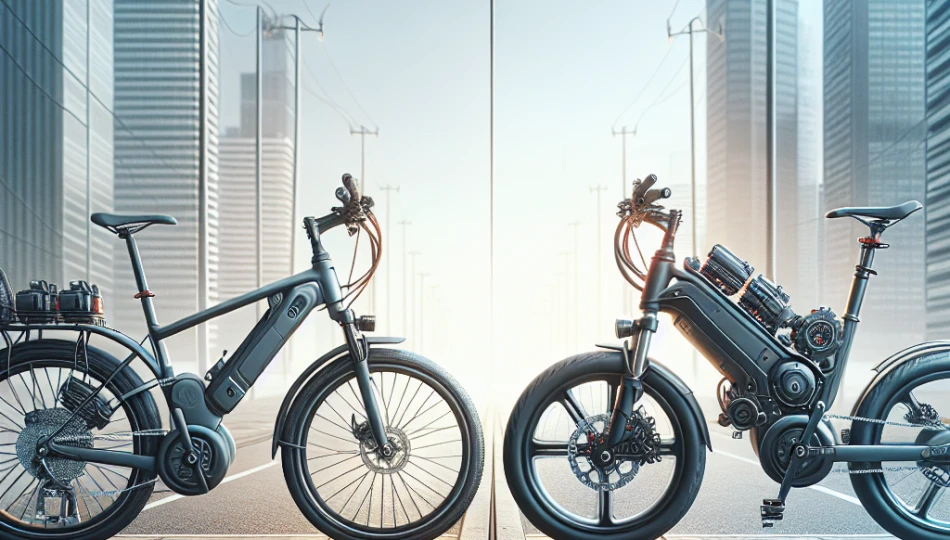
The world of cycling has evolved remarkably with the advent of electric bikes, providing riders with a new and exciting way to travel. Among the choices available are pedal-assist bikes and throttle-assist bikes. These two types of e-bikes cater to different riding styles and preferences, making it essential for potential buyers to understand their distinctions. Many enthusiasts and newcomers alike are left wondering, are pedal-assist bikes better than throttle-assist bikes? The answer is a resounding yes; pedal-assist bikes often offer a more beneficial riding experience overall. Let’s explore five compelling reasons why pedal-assist bikes come out on top.
1. Greater Efficiency and Range
One of the primary advantages of pedal-assist bikes is their superior efficiency compared to throttle-assist bikes. Since pedal-assist systems engage the motor when the rider pedals, they preserve battery power more effectively. This means that riders can cover longer distances without the need for frequent recharges.
- The motor supports the rider’s effort, which results in less overall energy consumption.
- Pedal-assist bikes typically allow for multiple levels of assistance, enabling riders to adjust the power based on their needs.
- Throttle-assist bikes, while fun for quick bursts of speed, tend to drain the battery much faster since they often rely solely on motor power.
This efficiency not only extends range but also makes pedal-assist bikes more environmentally friendly, as they utilize resources better in both energy consumption and battery life. Whether commuting to work or enjoying a recreational ride, a pedal-assist bike ensures that riders can go further without worrying about battery depletion.
2. Enhanced Physical Fitness
For those concerned about maintaining or improving physical fitness, pedal-assist bikes provide a unique advantage. Because they require the rider to engage in pedaling, these bikes promote an active lifestyle more effectively than throttle-assist bikes.
- Riders can adjust the level of assistance, allowing them to engage in as much or as little physical effort as they desire.
- Regular use of a pedal-assist bike can improve cardiovascular health, muscle strength, and overall endurance.
- Unlike throttle-assist bikes, which encourage a more sedentary position, pedal-assist bikes make pedaling an integral part of the riding experience.
The ability to pedal and receive electrical assistance can attract users who might feel intimidated by traditional cycling, paving the way for a healthier lifestyle. They learn to enjoy cycling while still getting a workout, which can be motivating for many individuals looking to lose weight or increase their fitness levels.
3. Improved Control and Riding Experience
Pedal-assist bikes often offer better overall control, enhancing the riding experience. The way pedal-assistance operates allows for gradual acceleration and smoother engagement than throttle-assist alternatives. This results in a more stable ride that can be particularly advantageous in varying conditions.
- Riders have the ability to modulate their speed and power input based on their comfort and the terrain.
- The natural cadence of pedaling tends to make riders feel more connected to the bike and the road.
- Throttle-assist bikes often lead to jerky motions as the motor engages fully once the throttle is engaged, which can be unnerving for new or less experienced riders.
With pedal-assist bikes, the rider determines the pace, making it easier to navigate through traffic, handle steep inclines, and tackle other challenging conditions. This level of control also means that riders can become more adept on the bike, enhancing their enjoyment and the overall experience.
4. Versatility for Various Riding Situations
Another significant advantage of pedal-assist bikes is their versatility. These bikes seamlessly adapt to various riding situations, whether commuting, tackling off-road trails, or enjoying leisurely rides in the park. Here’s how they excel in different environments:
- They can easily handle city commutes thanks to their responsive handling and ability to accelerate smoothly.
- On hilly terrains, the added pedal-assistance allows for easier climbing, making it a pleasant experience compared to throttle-assist bikes.
- For casual riders or those looking to relax, they can choose a lower level of assistance to maintain a comfortable, leisurely pace.
This adaptability makes pedal-assist bikes suitable for a wider range of users, from fitness enthusiasts who seek a workout to those who prefer a stress-free ride. Throttle-assist bikes can struggle in challenging terrains and may require specific riding techniques, which can limit their functionality. Therefore, pedal-assist bikes provide a more comprehensive solution for diverse riding preferences and environments.
5. Safer Riding Experience
Safety is paramount when choosing between pedal-assist and throttle-assist bikes and pedal-assist technology offers a safer riding experience for various reasons. The connection between pedaling and motor assistance creates a more intuitive approach to speed management.
- Unlike throttle-assist bikes, which can lead to sudden accelerations, pedal-assist bikes allow the rider to maintain a more controlled speed.
- The gradual engagement of the motor helps prevent accidents that may occur due to jerky starts.
- Many pedal-assist bikes come equipped with features like torque sensors that gauge how much force the rider is applying, ensuring that assistance is smooth and proportional.
As a result, riders are better positioned to react to sudden changes in traffic or road conditions. The controlled acceleration and the ability to maintain a more spread-out speed increase overall safety, making pedal-assist bikes an appealing choice for urban commuting and recreational riding, especially in congested areas.
The Evolution of Electric Bikes
The development of e-bikes has changed the landscape of cycling by combining traditional cycling methods with cutting-edge technology. As these bikes continue to evolve, pedal-assist technology has become increasingly sophisticated. Modern pedal-assist systems are equipped with advanced sensors that measure speed, cadence, and rider input, enabling a more seamless integration of human power and electric assistance.
For instance, many high-end e-bikes feature smart technology that allows them to adjust the assistance level dynamically based on the rider’s effort and environmental conditions. This means that riders can experience optimal performance without exerting excessive effort, making long-distance rides more manageable and enjoyable. The enhancements in battery technology, such as lithium-ion batteries, have boosted the range and longevity of these bikes, allowing users to ride further while maintaining efficient energy usage.
Choosing the Right Pedal-Assist Bike
When choosing a pedal-assist bike, riders have various options to consider to find the perfect fit for their needs. Many factors play a role in determining which bike may be best suited, such as frame style, motor size, battery capacity, and intended use. For city commuting, features like built-in lights, fenders, and a comfortable seating position become essential, while off-road riders may prioritize sturdiness, tire size, and suspension.
Additionally, trying out different models is crucial. Many local bike shops offer test rides that allow potential buyers to experience how various assist levels and bike weights influence the ride feel. This hands-on approach ensures that riders can select a bike that fits their comfort zone while enabling them to reap all the benefits of pedal-assistance technology.
Environmental Impacts of Electric Bikes
As society becomes more conscious of its environmental footprint, pedal-assist bikes stand out as eco-friendly alternatives to traditional vehicles. By promoting the use of electric bikes over gas-powered vehicles, we can significantly reduce greenhouse gas emissions. Not only do these bikes result in cleaner air, but they also alleviate traffic congestion and the associated stress of urban travel.
Furthermore, manufacturers are increasingly focusing on sustainable practices, utilizing recyclable materials in their production and enhancing the recyclability of components. By investing in a pedal-assist bike, consumers not only invest in their health but also contribute positively to the environment.
Frequently Asked Questions
What is the difference between pedal-assist and throttle-assist bikes?
Pedal-assist bikes require the rider to pedal for the motor to engage, providing a more natural riding experience. Throttle-assist bikes, on the other hand, allow the rider to control power using a throttle without needing to pedal actively. This key distinction influences efficiency, control, and overall riding experience.
Can pedal-assist bikes be used for exercise?
Absolutely! Pedal-assist bikes encourage physical activity because they require the rider to pedal. The adjustable levels of assistance allow for customizable workouts—users can select lower assistance levels for a more strenuous ride or higher assistance for a relaxed pace. This flexibility makes it easier for users of varying fitness levels to enjoy the benefits of cycling.
Are pedal-assist bikes legal everywhere?
Most places have regulations regarding electric bikes, including pedal-assist models. Generally, for a bike to be classified as an “electric bicycle,” it must adhere to certain specifications, such as a maximum speed limit and wattage. Riders should familiarize themselves with local laws to ensure compliance with any regulations regarding e-bikes.
How do I maintain a pedal-assist bike?
Maintaining a pedal-assist bike is similar to taking care of a traditional bike but also requires additional attention to electrical components. Regular maintenance includes checking tire pressure, inspecting brakes, and cleaning the chain. It’s also essential to monitor battery health, ensure connections are secure, and follow guidelines provided by the manufacturer for charging and storage practices.
Can I ride a pedal-assist bike in the rain?
Many pedal-assist bikes are designed with weather-resilient components and offer some level of water resistance. However, it’s crucial for riders to check the bike’s specifications concerning water and dust resistance. It’s advisable to take precautions, such as avoiding heavy rain and giving the motor and battery time to dry out after exposure to wet conditions, to prolong their lifespan.
What market trends are influencing pedal-assist bike development?
Market trends indicating a growing demand for sustainable transportation alternatives have directed focus towards developing more advanced and durable pedal-assist bikes. Manufacturers are introducing lightweight models, smart technology integrations like GPS and cycling apps, and improved battery technology. These innovations aim to enhance user experience and broaden e-bike adoption across various demographics.
Summing It Up
As we have explored, pedal-assist bikes provide numerous advantages over throttle-assist options, particularly when it comes to efficiency, fitness, control, versatility, and safety. The thoughtful design of pedal-assist technology promotes both exercise and environmental sustainability, making it an ideal choice for a modern lifestyle. Whether for daily commuting or weekend leisure rides, pedal-assist bikes are engineered to accommodate a range of riders, maximizing convenience and enjoyment.
Moreover, with the evolution of electric bikes, more innovations will likely emerge, focusing on enhancing performance while minimizing environmental impact. As riders continue to seek out reliable and flexible transportation solutions, pedal-assist bikes will remain at the forefront of the cycling revolution, ultimately shaping the future of how we perceive movement and energy consumption within urban spaces.