
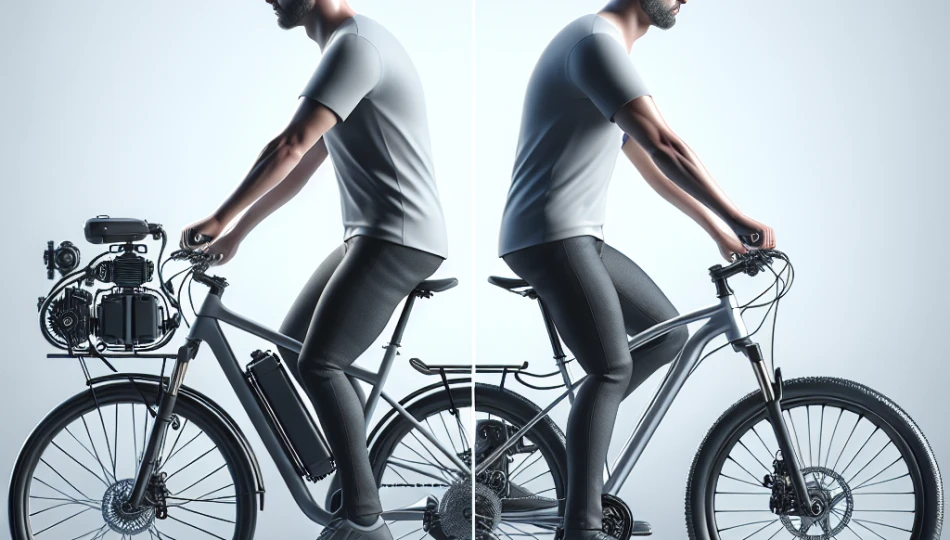
When it comes to choosing the right bicycle for your needs, the options can be overwhelming, especially with the rise of various bike types in recent years. Two popular categories are hybrid bikes and electric bikes. Both are designed to cater to different riding styles, preferences, and purposes. But how does a hybrid bike compare to an electric bike? In short, hybrid bikes are versatile, traditional bicycles that combine features of road and mountain bikes, while electric bikes come equipped with a motor that provides assistance to the rider, making them easier to ride and enabling longer distances with less effort. As we delve deeper, we will explore five critical differences between these two bike types.
1. Design and Frame Construction
The first and foremost difference between hybrid and electric bikes is their design and frame construction. A hybrid bike typically has a lightweight frame made from aluminum or steel and offers a comfortable geometry for extended riding. This bicycle usually features a flat handlebar, wider tires, and a cushioned seat, making it ideal for commuting, recreational rides, or light off-road use. The frame is designed to accommodate a variety of riding positions and situations.
On the other hand, an electric bike, often referred to as an e-bike, has a more robust and sometimes heavier frame since it needs to accommodate the electric motor and battery system. The designs can vary greatly; some resemble traditional bikes, while others look more like mountain bikes or strategically built city cycles. Electric bikes can also come with additional components and features to support the motor, such as reinforced wheels, suspension systems, and specific geometrical adjustments to provide a more stable ride when riding at higher speeds.
- Hybrid Bike: Lightweight, versatile frame suited for various terrains.
- Electric Bike: Heavier frame to accommodate the additional motor and battery.
2. Powered Assistance and Speed Variance
One of the most significant attributes that differentiates electric bikes from hybrid bikes is the motorized assistance. Electric bikes come equipped with a rechargeable battery and an electric motor that provides power assistance while pedaling. This can be particularly useful in hilly terrains or during long-distance rides. Depending on the bike model, riders can select various levels of assistance, allowing them to customize their riding experience. Most electric bikes can reach speeds of 20 to 28 miles per hour, depending on the class of e-bike and local regulations.
Conversely, hybrid bikes rely solely on human power. While they are designed for optimal performance and efficiency, they can’t match the speed and ease provided by electric bikes. This means that in situations where a rider might feel fatigued, such as on steep inclines, a hybrid bike may present more of a challenge, whereas an electric bike can help alleviate that difficulty, allowing for a more effortless ride.
- Electric Bike: Equipped with a motor for pedal assistance, enhancing speed and ease.
- Hybrid Bike: Relies entirely on human power, making it more strenuous for longer rides.
3. Battery and Charging Considerations
Electric bikes come with rechargeable batteries, which can usually last anywhere from 20 to 100 miles on a single charge, depending on the model, battery size, and type of terrain. They also require regular charging, which means additional considerations for the user regarding maintenance and planning longer rides. Charging typically takes a few hours, depending on the battery’s capacity and the charger used. Most e-bikes allow for charging either onboard (directly on the bike) or by removing the battery and charging it separately.
In contrast, hybrid bikes do not utilize any electrical components, meaning riders do not have to worry about battery life, charging, or maintenance beyond traditional bicycle upkeep. This simplicity is appealing to many who prefer a low-maintenance biking option. A hybrid bicycle can be ready to go at a moment’s notice, as there’s no need to factor in charging times or battery management.
- Electric Bike: Requires battery charging, with maintenance considerations.
- Hybrid Bike: No battery or charging required, offering straightforward maintenance.
4. Cost and Affordability
Another important aspect is the cost associated with both hybrid and electric bicycles. Generally, hybrid bikes are more affordable, with prices ranging from a few hundred dollars to over a thousand, depending on the brand and components. This makes them accessible for casual riders, commuters, and those new to cycling. They present an excellent balance between performance and cost-effectiveness, suitable for a broad audience.
In stark contrast, electric bikes tend to be significantly more expensive due to the technology involved in their manufacturing. Prices typically start around $1,000 for entry-level models and can go upwards of several thousand dollars for high-performance versions with advanced features. Riders must consider not only the upfront cost but also any potential maintenance and replacement costs for the electric components as the bike ages.
- Hybrid Bike: More budget-friendly, accommodating a wide range of consumers.
- Electric Bike: Higher initial investment due to electrical components and technology.
5. Riding Experience and Physical Exercise
The riding experience on each type of bike significantly differs, primarily regarding the physical exertion required. Riding a hybrid bike can be a full-body workout, engaging various muscle groups. Cyclists are encouraged to exert effort when pedaling, making it an excellent choice for fitness enthusiasts who prioritize exercise in their cycling routine.
Electric bikes, in contrast, provide a unique experience as they offer varying degrees of assistance. This means that riders can opt for a more leisurely ride or increase the motor assistance to tackle challenging climbs without as much exertion. However, it’s essential to note that the degree of exercise can vary significantly based on how much assistance a rider chooses to utilize. Those who primarily rely on the motor may not reap the same fitness benefits as traditional cyclists.
- Hybrid Bike: Promotes a full-body workout and physical fitness.
- Electric Bike: Allows for customization in physical exertion with pedal assist options.
Choosing the Right Bike for Your Needs
When it comes to selecting between a hybrid bike and an electric bike, it’s essential to consider several factors that may impact your overall experience. Understanding your riding purpose, terrain preference, and physical fitness level will help guide your decision. Individuals who may ride primarily in urban settings on paved roads may find a hybrid bike suits their needs perfectly, providing the efficiency and comfort necessary for daily commuting. Hybrid bikes can effortlessly navigate through city traffic and are typically equipped to carry additional accessories, like racks and fenders, making them practical for everyday use.
On the other hand, if you often ride longer distances, tackle rugged terrain, or require assistance due to fitness limitations, an electric bike could be a beneficial investment. E-bikes can alleviate some of the strain during long rides, allowing you to keep pace with more experienced cyclists or venture into areas where a conventional bike might pose a challenge. Additionally, an electric bike opens up opportunities for exploration beyond your local habitat, offering versatility in where and how you choose to ride.
Accessories and Customization Options
Both hybrid bikes and electric bikes come with a myriad of accessories that enhance your riding experience, but the type of accessories can differ significantly based on the bike’s design and intended use. For hybrid bikes, common accessories include baskets, panniers, and lights. These accessories make it easy to transport items for errands or take a leisurely ride equipped for a picnic. Riders often customize their hybrid bikes to suit personal preferences, choosing handlebar styles, seat types, and tire widths, allowing for a truly personalized ride.
Electric bikes also have a range of accessories designed to enhance convenience and safety which may include additional battery packs for extended distance travel, smartphone mounting systems for GPS navigation, or advanced lighting options for enhanced visibility. Further, many e-bike models offer the possibility of integrating with fitness apps, enabling riders to track their performance metrics. Customizations can extend to choosing different motor types and battery capacities, allowing riders to tailor their e-bike to their specific use case.
Environmental Considerations
In an era where environmental sustainability is more crucial than ever, the impact of choosing a hybrid bike versus an electric bike can vary. Hybrid bikes are generally considered to be the greener option, as they are mechanically simple and do not rely on batteries or electronic components. Their low impact on the environment makes them a great choice for eco-conscious riders who are looking to reduce their carbon footprint while cycling. Beyond their lack of necessitated charging, riding a hybrid bike promotes a lifestyle of sustainable transportation, encouraging fewer car trips and promoting physical activity.
On the flip side, although electric bikes utilize batteries, modern advancements in battery technology have greatly improved their environmental impact. Many e-bikes now come with lithium-ion batteries, which have a longer lifecycle than earlier battery types and can be recycled at the end of their usage. Moreover, using an electric bike instead of a car for commuting can help significantly reduce greenhouse gas emissions, since e-bikes consume considerably less energy per mile traveled compared to motor vehicles. Thus, even while contributing to e-waste concerns, many argue that electric bikes can still represent a greener choice when analyzing overall transportation habits.
Frequently Asked Questions
1. How long do hybrid bikes and electric bikes last?
The lifespan of both hybrid and electric bikes largely depends on maintenance and use. A well-maintained hybrid bike can last for decades, with some cyclists using the same bike for over 20 years. Regular servicing, timely repairs, and proper care, like keeping the chain oiled, maintaining tire pressure, and cleaning components, play crucial roles in extending its lifespan. If treated responsibly, hybrid bikes offer durability and long-term value.
For electric bikes, the frame can last similarly long, but the battery has a limited life expectancy, typically lasting around 3 to 5 years with proper care. With advancements in battery technology and improved charging practices, many users find that replacing the battery is a common part of e-bike ownership. Regular upkeep, like ensuring connections are clean and charging habits are ideal, can also contribute to extending battery life.
2. Are electric bikes allowed on bike paths?
The legality of riding electric bikes on bike paths varies by region. In general, most areas permit e-bikes on bike paths, but specific regulations might impose restrictions based on the bike’s classification. For instance, Class 1 e-bikes, which provide assistance only during pedaling, are typically allowed on all bike paths. However, some localities may restrict more powerful models, like Class 3, which can exceed greater speeds. Riders should always check local bike path regulations before venturing out to ensure compliance.
3. Do I need a special license or registration for an electric bike?
In most cases, riders do not require a special license or registration for electric bikes, but this can depend on local regulations. Typically, lower-class e-bikes (Class 1 and Class 2) do not require registration or a rider’s license, whereas some jurisdictions may impose age limits or require licenses for more powerful Class 3 models. Always familiarize yourself with the local laws in your area regarding e-bike operation to avoid potential fines.
4. Can I convert my hybrid bike to an electric bike?
Yes, converting a hybrid bike to an electric bike is possible through various DIY kits available on the market. These kits typically include a motor, battery, and necessary components to power your bike. However, it is essential to ensure the hybrid bike’s frame and components can handle additional weight and stress caused by the motor and battery. Additionally, careful consideration is necessary regarding where to mount components to maintain stability and balance during rides.
5. Which bike requires more maintenance?
In general, hybrid bikes require less maintenance compared to electric bikes. Regular checks on tires, brakes, and chains are standard, similar to any traditional bicycle. Electric bikes, however, require attention to both mechanical aspects and electrical components. This can mean battery checks, ensuring electrical connections are intact, and possibly updating software for high-tech models. As such, e-bike owners should be prepared for a little more upkeep to ensure all components work effectively.
Summing It Up
In conclusion, whether you decide on a hybrid bike or an electric bike hinges on several factors, including your riding style, budget, and maintenance preferences. Hybrid bikes offer affordability and simplicity, making them ideal for those who enjoy physical activity while commuting or leisurely riding. They combine the best features of road and mountain bikes, promoting versatility across different terrains. In contrast, electric bikes make riding less physically demanding, particularly in challenging conditions, which can open up cycling to a broader audience, including those with physical limitations or those who prefer assistance on challenging rides.
Ultimately, assessing your personal needs and considering the potential environmental and maintenance implications can guide your choice between these two bike types. By understanding the key differences and their impact on your riding experience, you can ensure that you select a bike that aligns with your lifestyle and riding aspirations.