
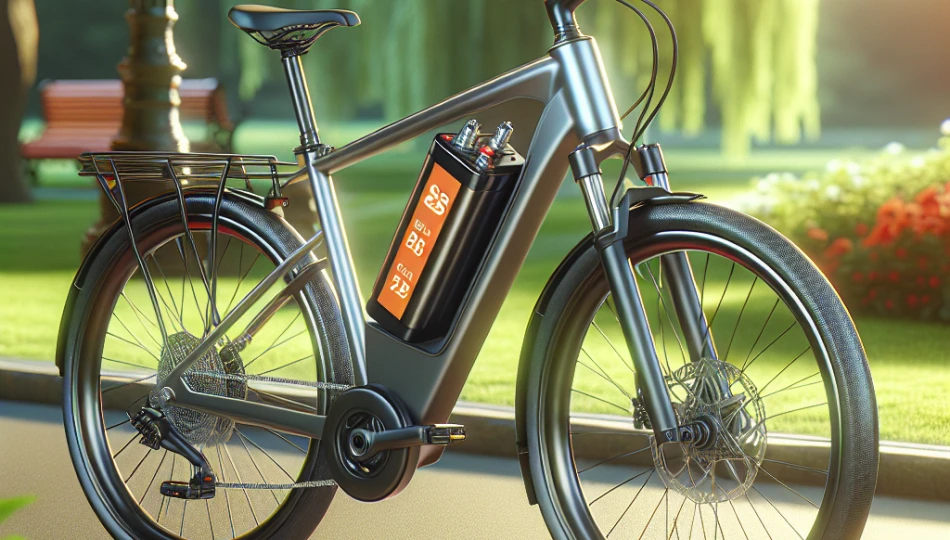
As electric bikes (e-bikes) become increasingly popular for commuting and recreation, many riders wonder about the potential for upgrading their bike’s battery. One of the most common questions is: Can you upgrade an electric bike battery to a higher capacity? The straightforward answer is yes, but it comes with several important considerations that every e-bike owner should understand before making the switch. In this article, we’ll explore five key factors to help you navigate the process of upgrading your e-bike battery for enhanced performance and longevity.
1. Compatibility with Your E-Bike
Before considering an upgrade, it’s essential to evaluate whether a higher capacity battery is compatible with your specific e-bike model. Compatibility encompasses several aspects:
- Voltage: Ensure the voltage of the new battery matches your e-bike’s system. Most e-bikes operate on 36V or 48V systems. A mismatch can lead to serious damage.
- Physical Size: Higher capacity batteries often come in different sizes and shapes. Check the physical dimensions to ensure it can fit in your bike’s battery holder.
- Connector Types: Different manufacturers may use varying connector types. Make sure your connectors can fit seamlessly.
If the new battery is incompatible, you might face issues like reduced performance or even damage to your e-bike’s electrical system. It is wise to consult your e-bike’s manual or a professional before making a purchase.
2. Impact on Weight and Handling
Upgrading to a higher capacity battery often means adding extra weight to your e-bike. While this increased weight can lead to longer rides between charges, it also poses certain drawbacks:
- Handling: A heavier e-bike can be more challenging to maneuver, especially in tight spaces or on steep inclines.
- Rider Fatigue: Additional weight can contribute to rider fatigue over longer distances, thus diminishing the overall riding experience.
Many e-bike enthusiasts recommend assessing the trade-off between increased battery capacity and the additional weight. Consider taking test rides with heavier configurations to gauge how it affects your biking experience before committing to an upgrade.
3. Battery Management System (BMS) Considerations
Most e-bikes include a built-in Battery Management System (BMS) that manages charge cycles and ensures the battery operates safely. When upgrading your battery, the new unit must incorporate an effective BMS that functions correctly with your e-bike:
- Safety Features: An advanced BMS can protect against overcharging, overheating, and short circuits, ensuring a safe ride.
- Performance Enhancements: Some BMS designs can improve overall performance by optimizing power delivery during rides.
When considering a new battery, verify that it includes a well-reviewed BMS compatible with your e-bike model. This can greatly affect the longevity and safety of your new battery investment.
4. Range and Performance Improvements
One of the primary motivations for upgrading to a higher capacity battery is the potential improvement in the bike’s range and overall performance. E-bike riders often look for batteries that can deliver:
- Extended Range: Higher capacity batteries allow for longer rides without needing to recharge, which is ideal for long-distance commuters or touring.
- Increased Power Output: A battery that supports higher amp-hour (Ah) ratings can provide more power to the motor, resulting in better acceleration and climbing capabilities.
However, it’s important to understand that not all e-bikes will experience a linear improvement in performance with every battery upgrade. Factors like the motor’s wattage capability and the cyclist’s weight will influence the actual performance gains you might achieve. Take note of these elements when considering battery upgrades to ensure you’re making a well-informed decision.
5. Cost Implications of Upgrading
Upgrading to a higher capacity battery is not just about compatibility and performance; it also involves financial considerations. Comparing the costs associated with battery upgrades can help you decide whether it’s worth the investment:
- Initial Investment: Higher capacity batteries can range significantly in price depending on brand and technology (lithium-ion vs. lead-acid).
- Long-Term Value: Evaluate how much more range and performance you’ll get for the added cost. A more expensive battery may offer more efficient energy usage, potentially saving money on future repairs or replacements.
- Warranty Considerations: Check if upgrading the battery voids any warranties on your e-bike. It’s possible that the manufacturer does not support aftermarket batteries.
In summary, while upgrading to a higher capacity battery can enhance your e-bike riding experience, the decision should be weighed against compatibility, weight considerations, the effectiveness of the battery management system, expected range improvements, and the overall cost. Careful research and consideration of these factors will help ensure that your battery upgrade aligns with your riding goals and preferences.
Considering Alternative Battery Types
When upgrading your electric bike battery, it is also worth exploring various battery technologies available beyond just higher capacity options. The two most common types of rechargeable batteries used in e-bikes are lithium-ion and lead-acid. Both have their pros and cons, and understanding these differences can help you make an informed choice.
Lithium-Ion Batteries
Lithium-ion batteries are the most popular choice among e-bike manufacturers and users alike due to several compelling advantages. First, they have a higher energy density compared to lead-acid batteries, meaning they can store more energy in a smaller space. This allows for lighter and more compact battery designs, making them ideal for e-bikes where weight and space are critical factors.
Additionally, lithium-ion batteries generally have a longer lifespan. With proper care, they can last anywhere from 2 to 8 years or even longer, spanning numerous charge cycles. This longevity can ultimately offer better value for money, despite the higher initial purchase price.
However, lithium-ion batteries require careful management in terms of charging and discharging to maintain their performance and lifespan. They are susceptible to extremes of temperature, so you should ensure they are used within the manufacturer’s specified operating range.
Lead-Acid Batteries
On the other hand, lead-acid batteries are less expensive and more readily available, making them an attractive option for those on a tighter budget. They are heavier and bulkier than lithium-ion batteries, which can add considerable weight to your e-bike. While they also provide decent power output for e-bikes, the overall range tends to be significantly shorter due to lower energy density.
The lifespan of lead-acid batteries is usually shorter than that of lithium-ion batteries, often lasting only 1 to 3 years. They are also more prone to sulfation, which occurs when they are not regularly charged, reducing their capacity over time. Despite these drawbacks, they can still be a practical choice for occasional riders who do not require extended range or performance.
Maintenance Considerations After Upgrading
Once you’ve upgraded your e-bike battery to a higher capacity, it’s crucial to implement the right maintenance practices to extend its lifespan and enhance performance. Proper maintenance can also prevent potential issues that can arise from having a more powerful battery on board.
Regularly Check Battery Health
Monitor the overall health of your new battery by regularly checking its voltage levels, temperature, and charge cycles. It’s important to avoid letting your battery drain completely before recharging, as deep discharges can negatively impact the lifespan and performance of lithium-ion batteries.
Most e-bikes come with a battery management system that provides information about battery health. Utilize this feature to keep track of performance metrics and ensure that you’re maintaining your battery in optimal condition.
Store the Battery Properly
The storage conditions of your e-bike battery can have a significant impact on its longevity. If you’re not using your e-bike for an extended period, ensure that the battery is stored in a cool, dry place away from direct sunlight and extreme temperatures. A temperature range of 20°C to 25°C (68°F to 77°F) is generally ideal for most e-bike batteries.
Furthermore, it’s a good practice to store the battery at around 50% charge instead of fully charged or completely drained. This helps avoid stress on the cells and promotes a longer lifespan. If you plan on not using your bike for several weeks or months, consider periodically checking and recharging the battery if necessary.
Frequently Asked Questions
Can I replace just one battery cell in my e-bike battery pack?
Replacing a single cell in an e-bike battery pack is not generally recommended. E-bike batteries are typically designed as a complete unit, and replacing an individual cell can lead to imbalances in voltage and performance. This poses a risk of overheating, reduced capacity, and potential failure of the entire battery assembly. If you face issues with your battery, it’s usually best to consider replacing the entire pack.
How often should I charge my upgraded battery?
The frequency of charging depends on your riding habits and battery capacity. In general, it is wise to recharge your battery after every ride, particularly if you’ve consumed a significant portion of the charge. Lithium-ion batteries do not suffer from memory effects, which means you don’t have to wait until they are fully drained before recharging. Frequent, shallow discharges (going from 100% to around 30%) are often healthier for battery lifespan compared to deep discharges.
What are the signs that my e-bike battery needs replacement?
Common indicators that your battery may need replacement include a significant decrease in range (i.e., you can only ride for a short distance), slow charging times, unusual error messages from the battery management system, or visible physical damage such as bulging or leaking. If you experience any of these issues, it may be time to consult a professional or look into purchasing a replacement battery.
Is it safe to use aftermarket batteries in my e-bike?
Using aftermarket batteries can be safe, but it’s crucial to ensure that these batteries are compatible with your e-bike and made by a reputable manufacturer. Aftermarket batteries may not provide the same level of quality assurance as original equipment manufacturer (OEM) parts, potentially risking performance and safety. Always check reviews and specifications before making an upgrade.
How can I improve the overall performance of my upgraded battery?
To maximize the performance of your upgraded battery, ensure that you are keeping it within optimal temperature ranges during rides. Furthermore, reduce the overall weight carried on your e-bike, especially when it comes to unnecessary cargo, which can lead to reduced range. Regularly maintain your bike’s mechanical components, such as tires and brakes, to ensure they do not drag down performance. Maintaining a steady and efficient pedaling cadence can also conserve battery power and enhance performance.
Summing It Up
Upgrading your electric bike battery to a higher capacity can be a rewarding endeavor, providing enhanced performance, extended range, and improved overall ride experience. However, careful consideration must be taken into account regarding compatibility, weight impacts, battery management systems, expected range improvements, and financial implications.
Additionally, exploring alternative battery types and ensuring proper maintenance will contribute to maximizing your investment. By being well-informed and vigilant about the needs and performance of your new battery, you can enjoy a more satisfying and longer-lasting e-bike experience.