
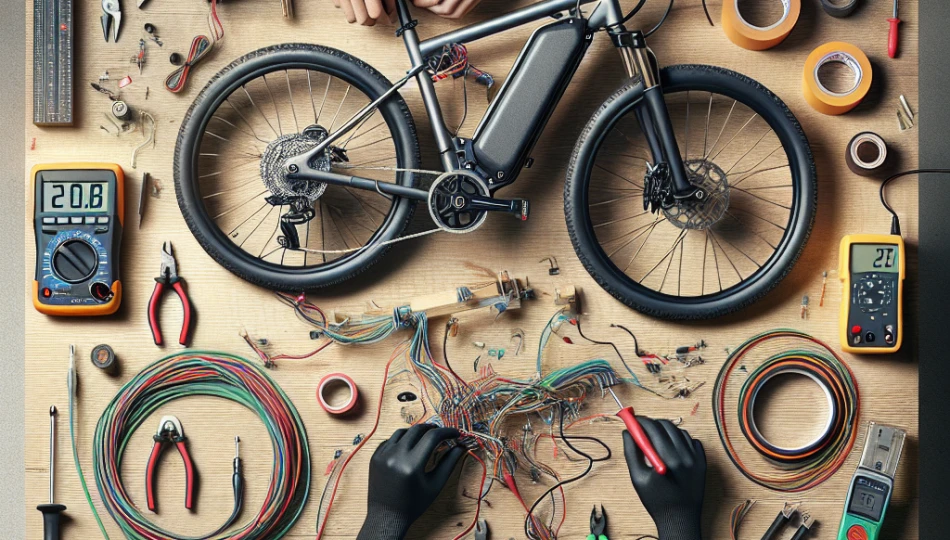
Electric bikes are a fantastic mode of transportation, offering a unique blend of convenience, efficiency, and eco-friendliness. However, like any technological device, they can encounter issues over time. One of the most common problems electric bike owners face is wiring issues. These malfunctions can lead to a variety of performance problems, from loss of power to complete system failures. In this guide, we’ll explore how to effectively identify and fix electric bike wiring issues. How can you identify and fix electric bike wiring issues? You can do this by examining your wiring system for damages, checking connections, utilizing a multimeter for diagnostics, following a systematic approach to repairs, replacing faulty parts, and regularly maintaining your wiring.
1. Inspect the Wiring for Physical Damage
The first step in diagnosing any electrical issues can often be the most straightforward: visually inspect the wiring. Look for any evident signs of wear, such as frayed wires, cut insulation, or exposed copper. Physical damage is often the most immediate cause of wiring problems.
- Examine areas where the wires are exposed, particularly near connectors or at points where the wires bend.
- Check for any signs of corrosion, especially around battery connections and terminals.
- Look for any pulling or tugging on wires that could have caused stress fractures.
By identifying these issues early, you can prevent larger problems down the line. If you find damaged wiring, it is essential to make repairs as soon as possible to maintain the bike’s performance.
2. Check All Electrical Connections
Loose or corroded connections can also lead to significant issues in an electric bike’s performance. A poor connection can disrupt the flow of electricity, leading to a complete shutdown or inconsistent behavior of the electric motor.
- Start at the battery: Ensure that all connections to the battery terminals are tight and free of corrosion.
- Follow the wiring harness to inspect other connectors, ensuring they are securely fastened.
- Look for any signs of discolored or burnt connectors, which can indicate overheating or electrical shorts.
If you find any loose connections, reconnect them properly and consider using dielectric grease to prevent future corrosion. By maintaining solid connections, you can enhance the longevity and reliability of your bike.
3. Use a Multimeter for Diagnostics
A multimeter is an essential tool for diagnosing electrical issues in your electric bike. It allows you to measure voltage, current, and resistance, helping pinpoint where the problem lies.
- Start by setting your multimeter to the appropriate function: typically, you’ll want to measure voltage first.
- Test the battery voltage to ensure it’s within the specified range. If the voltage is lower than expected, the battery may need replacing.
- Next, check the wiring by testing the continuity through each wire. A broken wire will show no continuity.
Using a multimeter not only helps locate issues, but it can also confirm that your repairs have resolved the problem. Being methodical in your testing will help ensure your bike runs smoothly.
4. Follow a Systematic Approach to Repairs
When it comes to fixing wiring issues, following a systematic approach can save you time and effort. It’s crucial to address problems logically to avoid missing minor issues that may escalate into significant failures.
- Start by creating a checklist of all components to inspect, such as the battery, motor, and wiring harness.
- Work through your checklist gradually, documenting any faults you find for future reference.
- Maintain an organized workspace to keep track of screws, connectors, and parts you remove.
A systematic approach not only helps in troubleshooting effectively but also provides a clear record for future maintenance needs, ensuring you have a reliable reference to guide you in other repairs.
5. Replace Faulty Components
Once you identify damaged components through inspection or testing, it’s essential to proceed with replacements promptly. Continuing to use faulty parts can lead to additional wiring issues and compromises the safety of your bike.
- Invest in quality replacement parts that match your bike’s specifications to ensure compatibility.
- Take care to route new wiring carefully, avoiding pinch points that could damage them over time.
- After replacing parts, always retest the system to ensure everything operates correctly before taking the bike back on the road.
Replacing faulty components can significantly enhance your electric bike’s performance, extending its lifespan and reliability, making for a safer riding experience.
6. Regularly Maintain Your Wiring
Proactive maintenance is key to preventing wiring issues from developing in the first place. By regularly caring for your electric bike’s electrical system, you can avert potential problems, ensuring long-term functionality.
- Set a schedule for routine checks on the wiring and connectors, especially before long rides or after periods of inactivity.
- Keep your bike clean and dry, as moisture can lead to corrosion and other electrical issues.
- Invest in protective coverings or wiring looms to shield your wiring from environmental damage and wear.
Regular maintenance will not only provide peace of mind but also keep your electric bike in prime condition, ready for any adventure.
7. Consult a Professional if Necessary
Sometimes, despite your best efforts, the issue may be too complex or subtle to diagnose effectively. In such cases, consulting a professional can save you time and potentially a larger bill from further damages.
- Seek help from local bike shops that specialize in electric bikes, as their technicians are often well-versed in common wiring issues.
- Check online forums and communities for recommendations on reputable repair services.
- Ensure that the technician uses quality parts and follows safe repair practices.
Bringing in a professional can provide an extra layer of reassurance that your electric bike will be operating optimally, ensuring every ride is safe and enjoyable.
8. Document Your Findings and Repairs
Keeping a detailed record of your inspections, repairs, and maintenance will help streamline future troubleshooting and repairs. Documentation is key, especially for complex wiring systems where previous issues could give insight into current problems.
- Note down dates of inspections, any faults found, and repairs made.
- Photograph wiring layouts before making changes to aid in reassembly.
- Keep receipts for any parts purchased for warranty and potential return purposes.
This not only helps in your continued education on bike maintenance but also adds to the resale value of your electric bike by showing potential buyers that it has been well cared for.
9. Utilize Online Resources and Community Support
The internet is a vast source of information for electric bike maintenance and troubleshooting. Take advantage of these resources to enhance your understanding of wiring issues and repairs.
- Search for instructional videos that demonstrate specific fixes for electric bike wiring.
- Join forums or social media groups dedicated to electric bike enthusiasts to share experiences and tips.
- Look for manufacturer resources or manuals that detail common issues and their resolution.
By engaging with a community, you not only expand your knowledge but can also find local experts who can provide hands-on help if needed.
10. Stay Informed About Technological Advances
Electric bike technology is continuously evolving, and staying informed about new developments can help you maintain your bike more effectively. New wiring technologies and repair techniques may offer solutions that improve safety and performance.
- Subscribe to newsletters or blogs focused on electric bikes to learn about the latest updates and innovations.
- Attend workshops or training sessions offered by bike shops or organizations that focus on electric bike maintenance.
- Network with other electric bike owners to share knowledge about products and techniques.
By remaining informed, you position yourself to make smarter choices regarding your bike’s wiring and overall maintenance.
Understanding Electric Bike Wiring System Components
To effectively address wiring issues in an electric bike, it is essential to have a solid understanding of the various components involved in the wiring system. An electric bike typically consists of a battery, motor, controller, and additional electronic components that work together to ensure smooth performance. Each part plays a critical role in the overall functionality.
The Battery
The battery is the heart of any electric bike, providing the necessary power to the motor and other electrical components. It is typically made up of lithium-ion cells due to their lightweight, high energy density, and long-lasting capability. Electric bike batteries generally come in various capacities, measured in amp-hours (Ah), which dictate how long the bike can function on a single charge. Ensuring the battery connections are secure and free from corrosion is imperative since any loss of connection can lead to inconvenient power loss during rides.
Furthermore, maintaining the battery involves monitoring its charge cycles, proper storage, and temperature regulations. This attention to the battery’s health not only enhances performance but also extends its lifespan, thereby ensuring that wiring associated with it remains intact.
The Motor
The motor converts electrical energy from the battery into mechanical energy, propelling the bike forward. It commonly comes in two configurations: hub motors, located in the wheel hub, and mid-drive motors, situated near the bike’s pedals. Both configurations have unique wiring layouts that may be susceptible to wear and tear over time.
When troubleshooting wiring issues, examining the motor’s connectors and ensuring they are making proper contact is crucial. A worn-out motor or faulty wiring can lead to a significant reduction in power output, causing an underwhelming riding experience. Regular inspections should encompass checking for physical damage, as motor connections are often subjected to vibrations, leading to potential loosening of wires.
The Controller
The controller acts as a bridge between the battery and motor, managing the energy flow based on rider input. It translates the rider’s commands from the throttle or pedal-assist sensors and modulates the power sent to the motor. Wiring issues within the controller can lead to erratic behavior, such as sudden speed fluctuations or complete loss of motor function.
Maintaining the controller involves checking the connections and ensuring that no moisture enters the unit. A damaged controller may need repairs or updates to function efficiently, underlining the importance of regular diagnostic testing and maintenance.
Preventative Measures for Wiring Longevity
Establishing a systematic approach to prevent wiring failures can save significant time and resources. Being proactive about electric bike maintenance not only increases safety but also fortifies the overall durability of the wiring system.
Use Protective Cases and Covers
To shield wiring from external elements, consider using protective cases, tubing, or electrical harnesses. These coverings can prevent exposure to moisture, dirt, and abrasions that might cause damage. Additionally, utilizing zip ties or Velcro straps can help keep wires organized, preventing them from tangling or snagging during rides.
Protective measures enhance the bike’s aesthetic appeal and promote a longer lifespan for the wires, as they become less susceptible to the usual wear and tear associated with outdoor usage.
Regular Environmental Assessments
Factors such as weather conditions and terrain can have a significant impact on electric bike wiring. Conducting periodic assessments of your riding environment will help you understand the specific risks your bike faces. If you frequently ride in rain or snow, for instance, investing in waterproof connectors and sealants can be an excellent preventative measure.
Similarly, if you often ride on rough terrain, reinforcing the wiring with additional cushioning or protection can help minimize vibration damage. By making adjustments based on environmental conditions, you can preserve the integrity of your wiring system and avoid unexpected failures.
Frequently Asked Questions
1. How can I tell if my electric bike’s wiring is failing?
Signs of failing wiring include intermittent power loss, flickering lights, or unusual behavior from the motor. If your bike suddenly feels sluggish or unresponsive, it may be due to wiring issues. Conducting visual inspections for frayed wires or loose connections can help confirm your suspicions. Additionally, using a multimeter can give you precise readings of continuity, voltage, and current flow, elevating your diagnostics.
2. What tools do I need to diagnose wiring issues?
To effectively diagnose electric bike wiring issues, a multimeter is essential for measuring voltage, current, and resistance. Having wire cutters, strippers, crimping tools, and dielectric grease on hand will make repairs more manageable. A socket or wrench set is also useful for working with battery terminals and motor connectors. Proper tools not only simplify the process but can lead to more accurate diagnostics and repairs.
3. Should I always replace damaged wiring, or can I patch it?
While small damages or frays can sometimes be patched, it is generally safer to replace any extensively damaged wiring. Patching can lead to future issues if not done correctly, especially in high-voltage areas. Replacing wiring ensures you maintain the integrity of the system, minimizing risk during operation. Quality replacement wire or connectors should be used to guarantee compatibility and longevity.
4. Is it safe to ride my electric bike if I suspect wiring issues?
It is strongly recommended against riding your electric bike if you suspect wiring issues. A faulty wiring system can lead to unexpected power loss, affecting steering control or causing the bike to stop suddenly. Riding under such conditions poses risks not only to you but also to other road users. Ensure that any suspected electrical issues are diagnosed and resolved before taking your bike out for a ride.
5. How often should I perform wiring maintenance on my electric bike?
A good rule of thumb is to inspect your bike at least once a month, especially if you ride frequently or under challenging conditions. Regular checks should include monitoring battery connections, inspecting wiring for wear and tear, and ensuring that all connectors remain secure. Additionally, all wiring should be checked before long trips or after extended storage periods, as environmental factors can lead to deterioration.
6. Can I perform electric bike wiring repairs myself?
Yes, many electric bike wiring repairs can be performed by knowledgeable owners who have a basic understanding of wiring and electric bike components. However, for complex issues or if you feel uneasy, it’s best to consult a professional. Following detailed guides and taking your time with repairs can be beneficial if you choose to do it yourself. Remember to always prioritize safety and ensure that the bike is disconnected from the power source before working on any wiring.
7. What should I do if my electric bike still has issues after following these steps?
If you have followed the diagnostic steps and addressed any issues but continue to experience problems, consider consulting a professional or taking your bike to a specialized repair shop. Sometimes, underlying issues may not be evident through visual inspections or simple tests. Experienced technicians may utilize advanced diagnostic tools that can identify complex faults that regular methods may overlook.
Summing It Up
Diagnosing and fixing wiring issues on an electric bike is a critical aspect of maintenance that every owner should be familiar with to ensure optimal performance and safety. By following the essential steps outlined in this guide and understanding the various components of the wiring system, you can effectively troubleshoot and address potential problems before they lead to more significant failures.
Regular inspections, appropriate protective measures, and keeping up-to-date knowledge about your bike’s technology will go a long way in preserving its performance. Always prioritize safety when working on the wiring, and don’t hesitate to seek professional help when necessary. Remember, a well-maintained electric bike will offer enhanced reliability, prolonging its life and enriching your riding experience.