
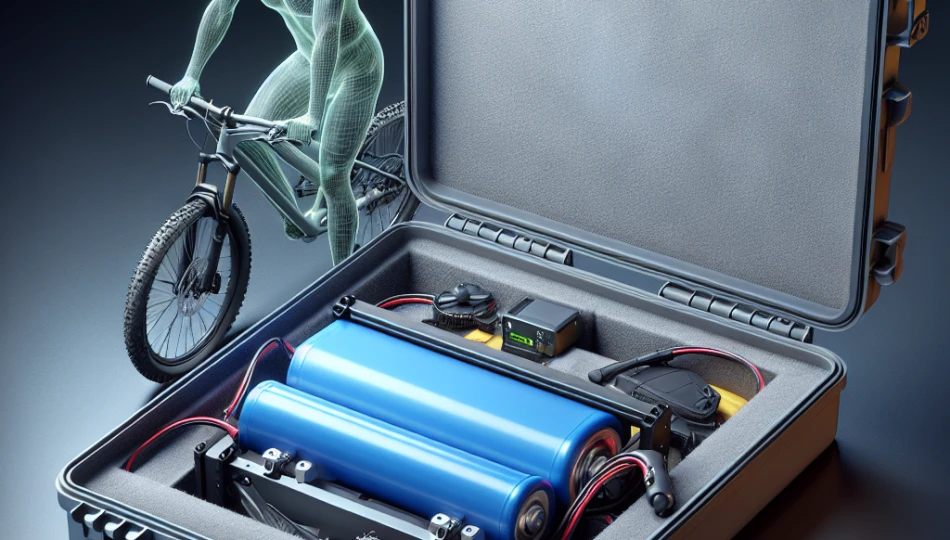
As electric bikes gain popularity for commuting and recreational riding, understanding how to transport their batteries becomes essential for every e-bike owner. Unlike traditional bike components, electric bike batteries require specific care due to their size, weight, and delicate electronic components. When you’re on the move, whether driving, flying, or even just storing your e-bike, knowing how to safely transport your battery ensures its longevity and performance. So, what is the best way to transport an electric bike battery? The best way is to keep the battery in a sturdy, padded container that protects it from impacts and temperature extremes while ensuring it’s charged between 30%-80% and stored upright.
1. Use a Quality Battery Case
Investing in a quality battery case is one of the most effective ways to transport your electric bike battery. These cases are designed to absorb shocks and protect the battery from physical damage. When selecting a battery case, look for these features:
- Durability: The materials should withstand rough handling and prevent critical damage.
- Padding: Adequate cushioning prevents the battery from shifting inside the case during transport.
- Water-Resistant: Choose a case that protects against moisture, as water can be detrimental to the battery.
Quality brands often feature custom compartments for different battery sizes, ensuring a snug fit that adds an additional layer of protection. Some cases also have a built-in handle or detachable straps, making them easy to carry. Overall, a battery case is an investment that pays off by enhancing your battery’s lifespan.
2. Charge the Battery to the Right Level
Before transporting, it’s vital to charge your battery correctly. Ideally, electric bike batteries should be transported with a charge level between 30% and 80%. Here’s why this range is essential:
- Safety: A fully charged battery can be susceptible to overheating and might catch fire in extreme conditions.
- Battery Health: Transporting a battery at dangerously low levels can lead to cell damage and reduced longevity.
Additionally, if you’re traveling for an extended period, make sure to check the battery state before setting off. Carrying a charger for recharging opportunities during travel is also advisable, but always ensure that it’s compatible with your battery type.
3. Protect Against Extreme Temperatures
Temperature can significantly affect battery performance and safety. Whether it’s the heat of the summer sun or the icy chill of winter, extreme temperatures can damage an electric bike battery. Here are some measures to protect your battery:
- Insulating Wrap: Consider using thermal wraps or covers to maintain a stable temperature.
- Ventilated Storage: Make sure the area where you’re storing the battery allows for air circulation, especially if the battery heats up during use.
For colder climates, it’s best to keep the battery indoors when not in use. In contrast, for hotter temperatures, avoid leaving the battery in direct sunlight for long periods. Whenever possible, transport the battery in a temperature-controlled environment for optimal health.
4. Keep the Battery Upright
Transporting your electric bike battery in an upright position is crucial for various reasons. Keeping the battery vertical helps prevent internal leakage and physical damage, especially in lithium-ion batteries. Here’s how to ensure proper positioning:
- Padding: Use soft materials to stabilize the battery and hold it upright during transport.
- Secure Straps: If your battery case has straps, use them to secure the battery in place to avoid any chance of it tipping over.
Additionally, many battery cases are designed with specific compartments that hold the battery upright, so investing in a well-designed case is beneficial in this aspect. This simple practice can help you maintain the battery’s integrity and ensure it operates effectively when reconnected.
5. Avoid Contact with Metal Objects
When transporting a battery, it’s crucial to prevent it from coming into contact with any metal objects. Metal items can cause short-circuits, potentially leading to fire or battery failure. Here’s how to minimize risks:
- Dedicated Storage: Use separate compartments in your travel bag for tools and other gear.
- Covers: Consider using isolative covers or bags for your battery to keep it separated from metal items.
Training yourself to handle your battery with care is essential. Always keep the battery in its designated compartment while transporting to avoid accidental contact with other items. This proactive approach reduces safety hazards and extends the life of your battery.
6. Understand Airline Regulations
If you’re traveling via air, it’s crucial to familiarize yourself with the regulations regarding lithium-ion batteries. Many airlines have strict guidelines about battery capacities, so understanding these rules can save you time and trouble:
- Capacity Limits: Most airlines only allow batteries up to a certain watt-hour (Wh) capacity in carry-on luggage.
- Documentation: Keep manufacturer specifications handy to demonstrate battery compliance if necessary.
In most cases, while checking in your bike, you may need to remove the battery and carry it with you. Therefore, it’s crucial to know what to expect ahead of time to ensure a smooth journey. In case of uncertainty about policies, contacting the airline beforehand can clarify everything.
7. Use a Soft Bag for General Transport
Using a padded soft bag is a flexible solution for transporting your battery. This method offers a level of protection that rigid cases may lack and can be easier to carry. Here are some advantages of using a soft bag:
- Weight Savings: Soft bags are lighter than hard cases, making them an excellent choice for long-distance travel.
- Versatility: Many soft bags have additional pockets for accessories, providing further convenience.
When opting for a soft bag, ensure it has sufficient padding around it, ideally made from shock-absorbent materials. This extra layer of protection can save your battery from severe impact in transit and is an excellent alternative for everyday use.
8. Secure the Battery During Transport
Regardless of the method of transport, securing the battery is vital. Loose items can cause damage as they can shift during movement. Here are simple steps to ensure your battery remains secure:
- Straps and Velcro: Use straps or Velcro to hold the battery in place inside your transport case.
- Internal Padding: Utilize foam, packing peanuts, or even towels to create a snug fit around the battery.
Paying attention to how the battery is positioned can prevent unnecessary wear and tear. This step may seem minor, but securing it correctly can extend its lifespan, minimizing the risk of unexpected failures.
9. Be Mindful of Surroundings
When you’re transporting your electric bike battery, always remain aware of your surroundings. Potential hazards can lead to accidents, so take precautions:
- High Traffic Areas: Avoid places where the battery could fall or be jostled in crowds.
- Obstacles: Keep an eye on your surroundings to avoid bumping into objects that could damage the battery.
Being mindful of your environment not only keeps your battery safe but also promotes general safety. Make it a habit to always check your surroundings when handling your battery, ensuring you have a stable and secure footing.
10. Regularly Inspect the Battery
Finally, maintaining your battery through regular inspections is integral to ensuring it stays safe for transport. Checking for wear and tear can help identify potential issues before they become serious concerns. Here’s what to look for:
- Physical Damage: Check for dents, cracks, or any signs of irregularities.
- Connection Points: Inspect the terminals and connections for corrosion or dirt build-up.
Performing these routine checks helps ensure that you’re aware of the battery’s condition before transport. Keeping a log of inspections can also help track performance and any changes over time, which can inform when you might need a replacement or professional servicing.
Transporting Electric Bike Batteries: Additional Tips
Understanding Battery Types
Electric bike batteries generally come in a few different formats, with lithium-ion batteries being the most common due to their high energy density and lightweight properties. However, it’s essential to understand the various types of batteries as each has its specific transport needs. For instance, lead-acid batteries, while generally more robust, are heavier and less efficient than lithium batteries and require more careful handling.
Knowing your battery type can also help in identifying optimal storage conditions. For example, lithium batteries fare poorly in extreme temperatures; hence, investing in a thermal bag or insulated case becomes vital. Always check your battery’s specifications and ensure you’re adhering to its unique requirements during transport.
Practical Tips for Everyday Use
When using your electric bike daily, think about the routine transport of your battery, even if you’re just moving it from home to a garage or between vehicles. Consider a dedicated area for battery storage, where it remains cool and dry and is out of the sunlight. Adopt a system for transporting your battery each day—perhaps a designated bag or case that stays easily accessible in your car or close at hand at home.
Another consideration is the use of battery maintenance tools. A battery management system can help monitor battery health during transport and usage. It can notify you about the state of charge and overall condition, allowing adjustments before any potential hazards arise. By leveraging these practical tips, you’ll make the routine handling of electric bike batteries more efficient and safe.
Emergency Situations and What to Do
While rare, emergencies can happen, and knowing how to react is crucial for your safety. If your battery swells, leaks, or shows any signs of damage while in transit, it’s important to act promptly. Ensure that the battery is kept away from flammable materials and place it in a secured, upright location. If feasible, move it outdoors until you’re able to properly isolate and assess the issue.
In case of any significant safety concerns—such as smoke or a strong odor—directly contact emergency services or the proper hazardous waste management authorities. Having an emergency checklist specific to your battery can expedite your response during alarming situations. Always err on the side of caution when dealing with portable energy storage.
Frequently Asked Questions
1. Can I transport my e-bike battery in checked luggage when flying?
Generally, airlines do not permit lithium-ion batteries in checked luggage due to fire risks. It’s preferred that you carry them in your cabin baggage, where you can monitor their condition. However, be aware that airlines might impose restrictions based on watt-hour capacity limits. Always check with your airline before travel to ensure compliance.
2. How long can I leave my electric bike battery in storage?
Electric bike batteries can usually be stored for a few months if maintained correctly. It’s recommended to store them at a 50% charge in a cool, dry place to avoid deep discharge or overcharge situations. Regularly test the battery state every month to ensure it remains in good condition and recharge it as necessary.
3. Is it safe to transport my battery without a bag or case?
Transporting your battery without any protective gear is not advisable. The risk of physical damage, exposure to moisture, or contact with metal objects increases significantly. A proper battery case or bag absorbs shocks and keeps the battery isolated from potential hazards, significantly improving safety.
4. What should I do if my electric bike battery shows signs of damage?
If you notice any physical damage, like swelling or cracks, stop using the battery immediately to prevent possible hazards such as fire or leakage. It’s best to contact the manufacturer or a qualified technician for inspection and possible disposal. Never attempt to repair a damaged battery on your own.
5. Can temperature extremes damage my electric bike battery?
Yes, both extreme heat and extreme cold can adversely impact your electric bike battery’s performance and lifespan. Prolonged exposure to high temperatures can lead to overheating, while cold conditions can lead to reduced capacity and potential internal damage. Always ensure that transport conditions are stable and suitable for the battery’s ideal operating range.
6. How can I ensure my battery stays healthy during transport?
Maintaining your battery’s health during transport can be achieved by following the previously mentioned guidelines: using quality cases or bags, avoiding extreme temperature exposure, and ensuring the battery is charged between 30%-80%. Regular inspection for damage or wear is also vital to catch any issues before they escalate.
7. Are there additional insurance options available for batteries?
Yes, many are now considering battery insurance as part of their overall e-bike or home insurance policy. Some insurance companies offer specialized policies covering battery damage or theft. It’s a good idea to check with your insurance provider to determine available options so you can enjoy peace of mind when transporting your battery.
Summing It Up
Transporting electric bike batteries requires unique considerations that differ from traditional bike components. Ensuring that your battery is secured, charged correctly, and protected from temperature extremes are some of the best practices that significantly enhance its longevity and performance. From selecting quality transport cases to understanding airline regulations, every precaution helps maintain safety and efficiency.
Adopting a careful approach and regularly inspecting your battery will prepare you for smooth travel experiences. As you become accustomed to handling your battery with care, you can minimize hazards while extending its lifetime. By following these guidelines, you can confidently transport your electric bike battery wherever your adventures may lead.