
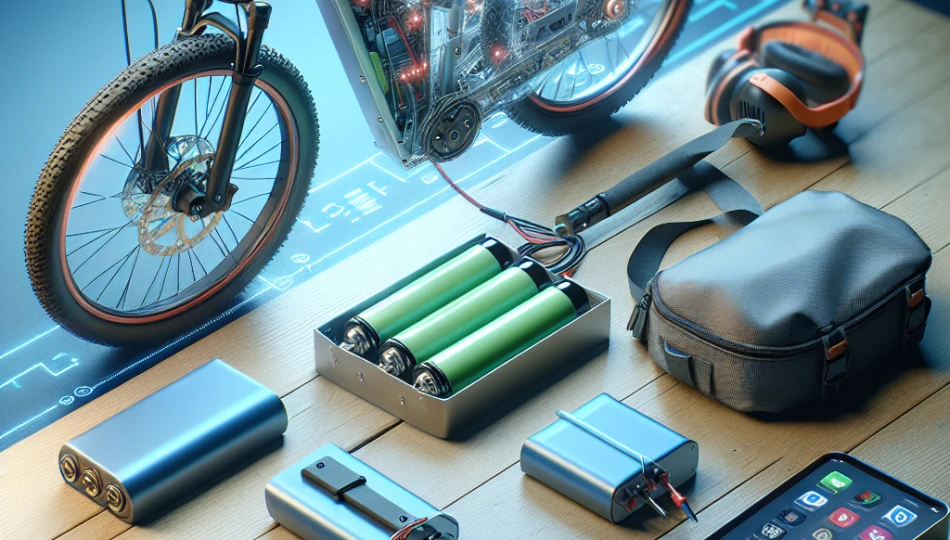
With the growing popularity of electric bikes (e-bikes), there’s been a noticeable trend toward custom solutions that enhance performance and extend battery life. This has prompted many cycling enthusiasts to consider the option of building their own battery packs. But the question remains: Are DIY battery packs for electric bikes safe? The short answer is: Yes, they can be safe if done correctly, but there are significant risks to keep in mind and important guidelines to follow.
1. Understanding Battery Chemistry
Before embarking on a DIY battery project, it’s crucial to have a solid understanding of the different types of battery chemistry available. Most e-bikes operate on lithium-ion (Li-ion) batteries due to their high energy density and lightweight nature. Each battery chemistry has its own unique characteristics which directly impact safety, efficiency, and performance.
- Lithium-ion: Known for their energy density, Li-ion batteries require careful handling due to potential thermal runaway—a situation where the battery overheats and can catch fire.
- Nickel-Metal Hydride (NiMH): These batteries are more tolerant to extreme conditions but have lower energy density compared to lithium batteries.
- Lead-acid batteries: An older technology that is less efficient and heavier, these are less frequently used in modern e-bikes.
Understanding these chemistries will help you make informed decisions about which components to use in your DIY battery pack. Additionally, the specific characteristics of the Li-ion battery, such as the need for a battery management system (BMS) and proper charging methods, should not be overlooked to ensure safe operation.
2. Importance of a Battery Management System (BMS)
A Battery Management System (BMS) is crucial when assembling a DIY battery pack. The BMS monitors and manages the condition of the battery, ensuring it operates safely and efficiently. Without it, the risks of overcharging, overheating, and cell imbalances increase significantly.
- Overcharging Protection: A BMS can prevent the battery from overcharging, which can otherwise lead to swelling, and in severe cases, battery failure or fire.
- Cell Balancing: The BMS ensures that the cells in the battery pack are evenly charged, which prolongs the overall lifespan of the battery.
- Temperature Monitoring: It also keeps track of the temperature of each cell, ensuring that it stays within a safe range.
Integrating a high-quality BMS is a non-negotiable step in a safe DIY battery pack. This component can be the line between a functional battery and a hazardous situation. Investing in a well-reviewed BMS will provide peace of mind and increase the longevity of your battery.
3. Quality of Components Used
The quality of the components in your DIY battery pack cannot be overstated. Using subpar materials can compromise not only the performance of the battery pack but also user safety. High-quality lithium cells from reputable manufacturers can significantly enhance the reliability of your battery pack.
- Cells: Opt for cells from known brands like Samsung, LG, or Panasonic, which have a reputation for quality and safety in the e-bike community.
- Connectors: Use durable connectors designed to handle the ampacity of your battery to avoid overheating and potential fires.
- Enclosures: Choose sturdy materials for the enclosure of the battery pack to protect the cells from impact and weather.
Prioritizing quality components not only ensures that your battery pack performs well but also minimizes safety risks. By doing thorough research and potentially consulting forums and communities, you can find the best components tailored to your needs. Remember that cutting corners can have serious consequences.
4. Proper Design and Construction Techniques
A safe DIY battery pack involves more than just purchasing quality components; it also requires careful design and assembly. Proper construction techniques ensure that the battery functions well without posing safety hazards. Here are some fundamental design practices to consider:
- Wiring Layout: Ensure that your wires are properly gauged to handle the load without overheating. A tidy wiring layout reduces the risk of shorts.
- Secure Connections: Solder connections should be solid and insulated to prevent accidental shorts.
- Heat Management: Design your battery pack with adequate ventilation to dissipate heat, using thermal paste or insulating materials where appropriate.
When constructing your battery pack, take your time and adhere to safety protocols. A poorly assembled battery can lead to catastrophic failures. Following guidelines established in e-bike communities, including video tutorials and instruction manuals, can assist in avoiding common mistakes.
5. Adherence to Safety Standards and Regulations
Safety standards are in place to ensure battery technologies are safe for consumers. While DIY projects are often seen as “free-from-regulation,” adhering to specific standards can significantly minimize risks. Conducting thorough research into local and national regulations is essential.
Packaging and Transportation
If you need to transport your DIY battery pack, ensure it meets relevant safety standards to prevent dangerous situations.
Battery Disposal
Properly dispose of batteries to avoid environmental hazards.
Compliance
Familiarize yourself with local regulations regarding battery construction, particularly for lithium batteries, as there may be specific requirements to fulfill.
By following established safety standards and regulations, you not only ensure your safety but also contribute to the safety of those around you. Awareness of these rules can also help maintain warranty claims with e-bike manufacturers.
Additional Considerations for DIY Battery Packs
Understanding E-Bike Power Requirements
Before starting a DIY battery project, understand your e-bike’s power requirements. Each e-bike has specific voltage and amp-hour (Ah) needs based on its motor and controller. This information is typically in the e-bike’s manual or specifications sheet.
- Voltage: Common e-bike systems use 36V, 48V, or higher for more powerful models.
- Capacity (Ah): Indicates the battery’s energy storage. Higher capacity means longer range.
Using a battery pack with incompatible voltage or capacity can lead to inadequate power delivery, subpar performance, or damage to the motor or components. Compatibility checks are crucial for your project.
Safety Testing for Your DIY Battery Pack
After assembly, conduct comprehensive safety testing to identify failures before use.
- Use a multimeter to verify voltage alignment with specifications.
- Test the BMS under simulated conditions, like overcharging or overheating.
- Monitor the battery during initial rides for swelling, unusual heat, or irregular voltage readings.
- Consider installing a battery temperature sensor or alarm for early failure detection.
Testing ensures safety and prevents catastrophic failures.
Storage and Maintenance of Battery Packs
Proper storage and maintenance are vital for extending battery lifespan and performance.
- Store in a cool, dry place. Avoid extreme temperatures.
- Regularly inspect the battery pack for wear, corrosion, or loose connections.
- Charge periodically, even in storage, to prevent cell damage.
Routine checks help ensure the long-term safety and performance of your DIY battery pack.
Frequently Asked Questions
1. Can I use recycled battery cells for my DIY pack?
Recycled cells might cut costs but carry risks like degraded performance or lack of safety certifications. It’s safer to invest in new batteries from reputable brands.
2. How much money can I save by building my own battery pack?
Savings depend on the components’ quality and your expertise. However, consider the time, effort, and potential risks involved, as these could offset savings.
3. What tools do I need to build a DIY battery pack?
Essential tools include:
- Multimeter
- Soldering iron
- Battery spot welder
- Heat shrink tools
- Safety gear (gloves, goggles)
4. Is a DIY battery pack covered by warranty?
DIY battery packs usually void e-bike warranties. Check warranty terms before proceeding.
5. What are the consequences of improper battery disposal?
Improper disposal can leach toxic chemicals into landfills, contaminate groundwater, and pose fire risks. Use specialized recycling facilities or designated hazardous waste locations.
6. What are some signs that my DIY battery pack may have issues?
Look out for unusual heat, swelling, burnt smells, or performance drops. Stop use immediately and seek professional advice.
7. Can I upgrade my DIY battery pack later?
Yes, but ensure compatibility with your original setup. Install a capable BMS for higher capacity and conduct new safety tests after any upgrades.
Summing It Up
DIY battery packs offer customization and cost-saving opportunities, but they come with significant safety responsibilities. By understanding battery chemistry, selecting quality components, and adhering to regulations, you can create a reliable battery pack.
Storing batteries properly, performing regular checks, and staying informed on legal guidelines strengthen your DIY setup’s safety. With diligence and continuous learning, you can enjoy the benefits of a tailored DIY battery pack for your e-bike needs.