
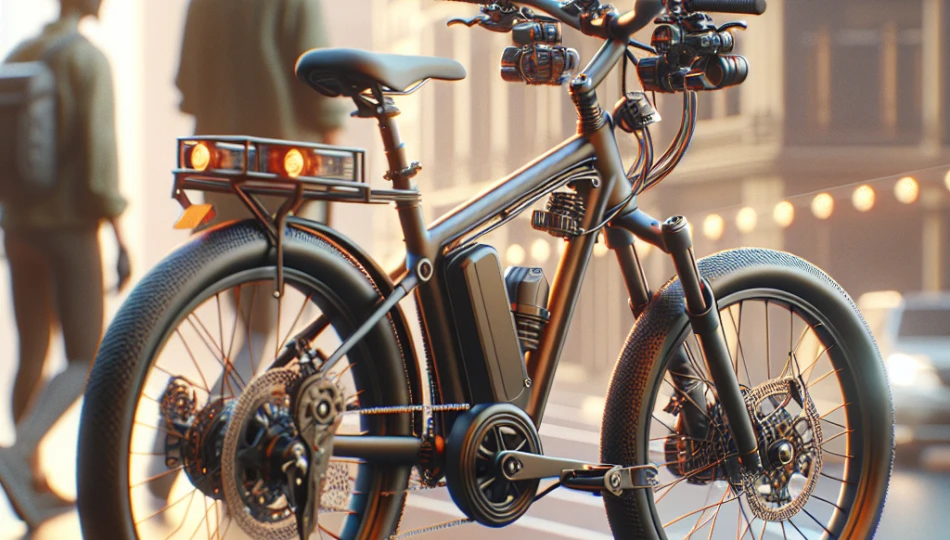
As electric bikes gain popularity, many cyclists are wondering, how can you identify a street-legal electric bike? A street-legal electric bike is designed to comply with local laws and regulations, which allow for safe and lawful riding on public roads. Identifying these bikes helps users avoid legal complications and ensures they enjoy their riding experience. In this article, we will discuss the seven key characteristics that define a street-legal electric bike.
1. Motor Power Limitations
One of the most crucial factors in determining if an electric bike is street-legal is its motor power. Most jurisdictions set a power limit, typically 750 watts (1 horsepower), for an electric bike to be categorized as a bicycle rather than a motorcycle. This power ceiling ensures that the bike remains manageable for the average rider and complies with cycling laws.
- Check for labels or manufacturer specifications indicating the motor’s wattage.
- Understand local laws, as the maximum wattage may vary by region.
For example, in places like the United States, a 750-watt limit allows for decent speed without the bike being classified as a motor vehicle. However, some states and cities have their specific regulations, so it’s essential to research these before purchasing an e-bike.
2. Speed Restrictions
Another defining characteristic is the top speed of the electric bike. Most regulations limit e-bikes to a maximum speed of 20 mph (32 km/h). Bikes that surpass this speed may require licensing or registration as a motor vehicle. To ensure compliance, you should look for information regarding the bike’s speed capability.
- Examine the specifications provided by the manufacturer.
- Consider your typical riding environment; speeds may be adjusted depending on the terrain.
Many e-bikes also feature modes that allow riders to adjust the maximum speed. For instance, a bike might allow a top speed of 15 mph for urban riding but can be adjusted for off-road use, keeping in mind the legal limit.
3. Pedal Assist and Throttle Control
The manner in which power is delivered is another factor in determining whether an e-bike is street-legal. E-bikes typically come in two varieties: pedal-assist and throttle-controlled. Pedal-assist models require the rider to pedal to engage the motor, while throttle-controlled models allow the rider to control the motor’s speed without pedaling.
- Ensure that your bike has a pedal-assist option if it also includes a throttle.
- Familiarize yourself with local regulations, as some areas restrict or classify bikes differently based on throttle features.
Pedal-assist bikes are often more widely accepted in various countries compared to those that can run solely on throttle. A bike designed with both features can provide versatility but may also complicate its legal standing depending on local laws.
4. Working Pedals
Despite the advancements in technology, a street-legal electric bike must have functional pedals. This characteristic ensures that the bike maintains its classification as a bicycle rather than a motor vehicle. Regulations may explicitly state that if an electric bike lacks working pedals, it might be subject to stricter regulations.
- Inspect the bike for well-functioning pedals—both are essential for street legality.
- Understand that bikes with pedals are often seen as encouraging physical activity, which is a factor in legal classifications.
Functional pedals also allow for a varied riding experience. For example, during low battery situations, a rider can still pedal sufficiently to navigate through less challenging terrains, seamlessly blending the benefits of traditional cycling and motorized assistance.
5. Battery Placement and Type
The placement and type of battery are also crucial when assessing the legality of an electric bike. Street-legal e-bikes typically have batteries mounted in a manner that ensures safety and efficiency without hindering the bike’s functionality. Batteries should usually be removable for charging, allowing for easier management.
- Check battery specifications—look for Lithium-ion as it’s commonly used for being lightweight yet powerful.
- Examine battery placement; it should not obstruct your riding experience.
In addition, some areas may have restrictions on the type and capacity of batteries. For instance, larger batteries that do not conform to local safety standards could lead to legal issues. Therefore, reviewing the local regulations regarding battery types is essential before making a purchase.
6. Manufacturer’s Compliance Information
Manufacturers of street-legal electric bikes often provide compliance information in the form of certifications or documentation that outlines the bike’s adherence to national and local laws. Look for labels or certifications that indicate compliance with safety standards and legal requirements.
- Ensure the bike comes with user manuals that detail its specifications and compliance.
- Research the manufacturer’s reputation and their adherence to regulations.
For example, reputable brands will typically have their bikes tested and certified by recognized authorities. Always review these documents to ensure that you’re selecting a bike that meets all legal requirements and safety standards. Committed manufacturers take steps to confirm that their bikes are not only enjoyable but also in compliance with the law.
7. Local Regulations and Registration Requirements
Lastly, understanding your local laws and registration requirements is essential in identifying a street-legal electric bike. Different states, countries, and municipalities may have varying laws that classify e-bikes. Familiarize yourself with these rules to ensure compliance.
- Consult local authorities or websites that outline electric bike regulations in your area.
- Be aware of specific conditions that could necessitate registration or licensing.
For instance, in some places, electric bikes must be registered if they exceed a certain motor power or speed. Understanding your local laws ensures that you ride legally, avoiding fines or penalties that come with riding non-compliant bikes.
Understanding Electric Bike Classifications
When navigating the world of electric bikes, it’s important to acknowledge the various classifications that exist. In many jurisdictions, e-bikes are categorized into three main classes, each with specific regulations regarding usage. Knowing these distinctions helps riders identify which types of electric bikes are ensured to be legally compliant with local and state laws.
Class 1: Pedal Assist Only
Class 1 electric bikes are those that feature pedal assist and do not have a throttle. The assistance stops once the bike reaches a speed of 20 mph. This type promotes physical activity, as riders must pedal to engage the motor, making it a popular choice for commuters and recreational cyclists alike. Most bike paths and trails generally permit Class 1 e-bikes, making them a favorable option for those who want to enjoy both cycling and electric assistance.
The benefits of Class 1 bikes include an emphasis on fitness since users must continue pedaling to gain assistance. Additionally, this class often faces fewer restrictions compared to Class 2 or Class 3 e-bikes, as they are perceived to be closer to traditional bicycles in functionality.
Class 2: Throttle-Activated Assistance
For Class 2 electric bikes, a throttle is included alongside pedal assist. Riders can choose the level of assistance without pedaling, and similar to Class 1, the maximum speed allowed is typically 20 mph. However, because these bikes can be operated without pedaling, they are sometimes viewed differently under the law, depending on the jurisdiction.
The ability to use a throttle comes in handy for those who may have physical limitations or prefer a more relaxed riding experience at times. However, riders should check local regulations, as some areas may restrict or outright ban Class 2 bikes from specific bike paths or trails.
Class 3: Speed and Power
Class 3 electric bikes are capable of reaching speeds up to 28 mph with pedal assist. They often come with a throttle as well but must meet the same pedal assist requirements. Class 3 bikes are generally permitted on roads but may have access restrictions to bike paths and trails, requiring users to be more cautious when choosing spots to ride.
This class is well-suited for commuters who need to cover longer distances quickly or face challenging terrains. The speed of Class 3 bikes can be exhilarating, but they do represent a compromise in terms of compliance with local cycling laws. Riders should regularly check with local regulations, as not all areas will allow Class 3 bikes to utilize the same infrastructure as their Class 1 and Class 2 counterparts.
The Importance of Safety Features
Safety should always be a priority when selecting an electric bike. Street-legal electric bikes are typically equipped with a variety of safety features that ensure both the rider’s protection and the safety of others on the road. Understanding these features not only enhances an individual’s riding experience but also plays a crucial role in remaining compliant with laws in many jurisdictions.
Brakes
Electric bikes should ideally have reliable and efficient braking systems. Common options include disc brakes, drum brakes, and rim brakes, with disc brakes often recommended for their superior performance under various conditions. Ensuring that the brakes are responsive is essential not only for the rider’s safety but also for reducing wear on the bike when descending steep hills or navigating busy streets.
Regular maintenance of the brake system is essential, particularly for electric bikes that can reach higher speeds. Riders should routinely check brake alignment and effectiveness, ensuring that all components are functioning correctly to prevent accidents or injuries.
Lights and Reflectors
Street-legal electric bikes should come equipped with lights and reflectors to enhance visibility during both day and night rides. Front and rear lights provide essential illumination, while reflectors increase visibility from all angles, significantly reducing the risk of accidents caused by poor visibility.
Many jurisdictions have specific legal requirements mandating that bikes be equipped with lights and reflectors; failure to comply can bring about fines or penalties. Additionally, having proper lighting systems can foster a sense of safety for the rider, as well as for others sharing the roadways.
Frequently Asked Questions
1. Can I ride an electric bike on bike paths?
Whether you can ride an electric bike on bike paths depends on the bike’s classification and local regulations. In general, Class 1 electric bikes are permitted on most bike paths. However, Class 2 may face restrictions in certain places. Class 3 e-bikes might not be allowed on bike paths at all. Always check local laws before riding.
2. What maintenance do electric bikes require?
Electric bikes require regular maintenance similar to traditional bicycles. Tasks include checking tire pressure, maintaining brakes, ensuring the battery is functioning properly, and regularly checking the chain for lubrication. Additional considerations are ensuring that electrical components are in good working order and keeping the bike clean to prevent wear.
3. How do I charge the battery of my electric bike?
Charging the battery generally involves removing the battery from the bike and connecting it to a compatible charger that plugs into an electrical outlet. Follow the manufacturer’s instructions regarding charging times and procedures, and store batteries in a cool, dry place to maintain their longevity.
4. Are electric bike batteries safe?
Yes, electric bike batteries are safe as long as they are used correctly and maintained. Most e-bikes use lithium-ion batteries, which are designed to prevent overheating and have protective measures built in. However, always follow the manufacturer’s instructions for use, storage, and charging to minimize risks.
5. Can I customize my electric bike?
Yes, many aspects of electric bikes can be customized, including upgrading components like the battery or brakes, adding accessories like fenders or lights, and even aesthetic modifications. However, be cautious when customizing an e-bike, as changes can affect compliance with street-legal requirements. Consult with a professional when making more significant alterations.
6. What should I do if I encounter a legal issue with my electric bike?
If you find yourself facing legal issues regarding your electric bike, the first step is to familiarize yourself with the local laws and regulations about e-bikes. Next, contact local authorities to clarify the situation. If necessary, seek legal counsel that specializes in transportation or bicycle law to understand your obligations and potential rights.
Summing It Up
Identifying a street-legal electric bike is essential for enjoying a safe and lawful riding experience. Critical characteristics include motor power limitations, speed restrictions, working pedals, and pedal-assist features. Understanding local regulations and recognizing the classifications of electric bikes can help you choose a bike that meets legal requirements while fulfilling your biking needs.
The presence of safety features such as efficient braking systems, lights, and reflectors adds an additional layer of assurance for riders. By being informed about your local laws and having a firm grasp of the distinctions that define street-legal electric bikes, you will create a fulfilling and compliant cycling experience.
Commitment to regular maintenance, awareness of local regulations, and an understanding of bike classifications ensure that riders can fully embrace the advantages of modern electric biking without compromising their legal standing or safety on the road.