
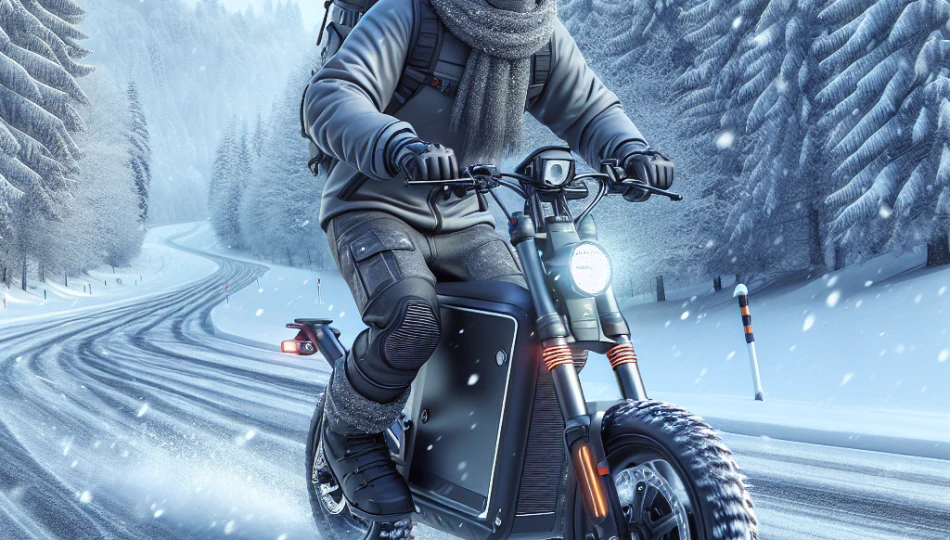
As the winter season rolls in, riding an electric bike can turn into an exhilarating yet challenging experience. With snow and ice transforming familiar roads into slippery terrains, the stakes for safety increase significantly. Consequently, it is important for e-bike riders to adapt to these conditions to ensure their safety and enjoyment. How to safely ride an electric bike in snow or ice? The key lies in preparation, technique, and awareness. By following the right guidelines, you can confidently navigate the winter roads on your electric bike.
1. Choose the Right Tires
One of the most crucial aspects of riding an electric bike in snow or ice is selecting the appropriate tires. Standard bike tires might not provide the traction needed in slippery conditions. Instead, consider investing in specialized winter tires designed for icy surfaces. These tires typically feature:
- Studded Designs: Tires with metal studs can offer incredible grip, much like winter footwear does for humans.
- Wider Width: Wider tires can help distribute your weight more evenly, reducing the chances of sinking into soft snow.
- Lower Pressure: Running your tires at a lower pressure can increase the contact surface for better traction.
Choosing the right tires can not only enhance grip but also provide peace of mind while maneuvering through winter weather. Remember to regularly check the tire pressure and tread wear during the winter months.
2. Maintain Stability and Control
Staying upright while riding an electric bike on slippery surfaces hinges on maintaining stability and control. Here are some internal and external factors to consider:
- Body Position: Keep your body relaxed and centered while ensuring your weight is shifted slightly back. This position can help distribute your weight more evenly and minimize the chances of slipping.
- Handlebar Grip: Maintain a firm grip on the handlebars, allowing for quick adjustments in steering when necessary, but don’t grip too tightly, as this could lead to tension.
- Pedal Smoothly: Applying power too quickly can lead to wheel spin. Instead, accelerate gradually to maintain traction.
Practicing these techniques can significantly enhance your control over the bike, allowing you to navigate tricky snow and ice patches effectively.
3. Adjust Your Speed
Speed management is key when riding in adverse weather conditions. It may be tempting to ride at regular speeds, but it’s vital to adjust your pace to suit the situation:
- Slow Down: Decrease your speed to give yourself more time to react to any unforeseen incidents, including micro-slips or sudden patches of ice.
- Anticipate Stops: When stopping, use both brakes gently to avoid skidding. It’s easier to control your bike when you’re riding slow.
- Turn Cautiously: Take wide turns at lower speeds. Sharp turns while riding fast may cause you to lose traction and fall.
By adjusting your speed, you can improve your reaction time and increase your level of control, making your ride much safer under winter conditions.
4. Plan Your Route Wisely
Choosing a safe route can make a significant difference in your riding experience. Not all roads are created equal in winter. Here’s how to plan effectively:
- Avoid Steep Hills: If possible, avoid hilly terrains that can be treacherous when covered in snow or ice.
- Opt for Plowed Paths: Stick to roads or paths that have been cleared. Plowed roads are often less hazardous than those left untouched.
- Study Familiar Routes: If you’re familiar with a route, take the time to assess how conditions may have changed. Make adjustments accordingly.
Strategic planning can ensure you maintain control over your ride and avoid potential accidents, making your electric bike journey safer and more enjoyable.
5. Dress Appropriately
Your attire is just as crucial as your riding techniques when cycling in cold weather. Dressing in layers can help you maintain warmth without overheating during physical exertion. Here are some essential wardrobe tips:
- Layering: Wear moisture-wicking base layers to keep sweat away from your skin, insulating layers to trap body heat, and an outer shell that is waterproof and windproof.
- Protect Exposed Skin: Invest in gloves, hats, and thermal socks to keep extremities warm. Consider face protection as well, especially in windy conditions.
- Bright Colors: Dress in bright, reflective colors to enhance your visibility against a backdrop of white snow.
Proper clothing not only keeps you warm but also allows for better mobility and comfort while riding in harsh winter conditions.
6. Utilize Your E-Bike’s Features
Modern electric bikes come with a variety of features designed for enhanced safety and performance. Utilizing these can improve your ride experience during winter:
- Adjustable Power Settings: Use lower power settings to manage speed and throttle more effectively on slippery surfaces. This can enhance your control over the bike.
- Regenerative Braking: If your electric bike has this feature, utilize it to help slow down smoothly and maintain control over your descent.
- Integrated Lights: Make use of front and rear lights not only to illuminate your path but to ensure that you are visible to others.
Maximizing your e-bike’s features is critical during winter riding as it elevates your overall control and safety on varied terrains.
7. Practice Emergency Maneuvers
Even with all precautions in place, accidents can still happen. Familiarizing yourself with emergency maneuvers can prepare you for quick responses in critical situations:
- Learn to Skid: Understand how to recover from a skid without panicking. This usually involves balancing your weight and steering into the skid.
- Braking Techniques: Practice braking methods—using both brakes simultaneously and modulating the pressure to avoid losing control.
- Know How to Fall: In the event of a fall, try to roll off and protect your head and limbs to minimize injury.
Practicing these emergency maneuvers ensures you’ll be better prepared to handle unexpected situations while riding your electric bike in winter conditions.
8. Carry Safety Gear
Always prepare for the unexpected by equipping yourself with essential safety gear. This gear can make a significant difference if an accident does occur:
- Helmet: A well-fitting helmet should always be worn. It may save your life in the event of a fall.
- Reflective Vest: Visibility is key. Wearing a reflective vest increases your chances of being seen by other road users.
- First Aid Kit: A compact first aid kit can prove invaluable if you encounter any minor injuries.
By carrying the right safety gear, you’re not just prioritizing your safety, but also setting a positive example for others.
9. Stay Informed About Weather Conditions
The weather can change rapidly during winter, making it essential to stay updated on current and anticipated conditions:
- Check Forecasts: Pay attention to weather forecasts before heading out. Avoid riding in severe weather such as heavy snowstorms.
- Use Weather Apps: Utilize smartphone apps that provide real-time updates on weather and road conditions.
- Respond Accordingly: If conditions worsen while you are out, consider finding shelter or returning to a safer area until conditions improve.
Being informed empowers you to make better decisions regarding your riding schedule and routes, ultimately leading to safer rides.
Preparing for Cold Weather Riding
As winter approaches, it’s essential to understand how to equip yourself and your e-bike for cold weather riding conditions. Preparation can mean the difference between an enjoyable ride and a troublesome, potentially hazardous experience.
Battery Care
The performance of electric bike batteries can diminish in cold weather. Cold temperatures can decrease battery efficiency by causing it to drain faster. It is advisable to keep your battery warm when not in use, as lithium batteries thrive in moderate temperatures. If possible, store your battery indoors or in a warmer environment. When preparing for a ride, ensure that the battery is fully charged. This step not only ensures the motor operates optimally but also extends battery life.
Additionally, be mindful of the battery’s performance during the ride. If you notice significant power loss, it may be due to the cold. It is wise to plan routes with charging stations or keep an eye on your battery level to avoid getting stranded.
Bike Maintenance
Winter riding requires extra attention to bike maintenance. The salt and debris from winter roads can corrode components, so regular cleaning is paramount. After riding in snowy or salty conditions, wash your bike to remove any residues that could lead to rust or mechanical issues.
Pay special attention to the brakes and drivetrain—both of these components are crucial for safe riding. Ensure they are functioning correctly and consider applying protective lubricants designed for winter conditions to keep them in good shape. Regular maintenance checks will enhance the bike’s longevity and your overall safety during winter rides.
Riding Etiquette in Winter
Winter brings unique challenges not only for cyclists but also for other road users. Understanding how to navigate these challenges politely and responsibly can improve safety for everyone on the road.
Sharing the Road
Electric bike riders must be aware of pedestrians, especially on shared paths that may be more crowded during the winter months. Make sure to approach pedestrians with caution and give them ample time to move out of the way. If you hear someone approaching from behind, it is courteous to announce yourself, so they know to make space for you.
When riding in a group, maintain a safe distance from each other to avoid collisions and ensure that you’re visible to others. Keeping the lines of communication open within your group can help enhance safety, allowing for better coordination when navigating through tricky terrains.
Respecting Other Cyclists
Cycling communities have a culture of mutual respect. If you see another cyclist struggling with icy patches or deep snow, consider offering assistance if it’s safe to do so. A simple wave or nod of acknowledgment can go a long way in fostering a friendly atmosphere among cyclists.
If riding in a group, maintain a steady pace that everyone can handle and be cautious in turns and stops. Encouraging safe riding practices will ensure that everyone enjoys the ride and returns home safely.
Frequently Asked Questions
1. Can I ride an electric bike in snow without special winter tires?
While it is technically possible to ride an electric bike in snow without winter tires, it is not recommended. Standard tires lack the grip and stability needed for safe navigation on slippery surfaces. Riding without appropriate tires increases the risk of accidents, as you may struggle to maintain traction, control, and balance.
Investing in winter tires is worthwhile as they significantly enhance your bike’s handling and stopping ability in winter conditions. The added safety and peace of mind make it beneficial for both beginner and experienced riders alike.
2. How do I know when it’s too dangerous to ride my electric bike?
Deciding whether conditions are too dangerous for riding an electric bike involves assessing several factors: visibility, road conditions, and temperature. If visibility is severely impaired due to heavy snowfall or fog, it’s best to avoid riding.
Additionally, if the roads are covered with thick layers of snow or ice that are not cleared, riding may pose an unnecessary risk. Lastly, temperatures dropping below freezing can create additional hazards—ice can form rapidly, making it difficult to navigate even familiar routes safely. Trust your instincts; if it feels unsafe, consider alternative transportation.
3. Is it necessary to wear a helmet in winter conditions?
Absolutely! Wearing a helmet is crucial regardless of the weather conditions. Even during the winter, a helmet can protect your head in the event of a fall or collision. The cold weather may put you at greater risk if conditions lead to dangerous riding situations, where accidents are more likely to occur.
Making helmet usage a habit will ensure that you prioritize your safety every time you ride. Consider wearing additional layers under your helmet to help keep warm without compromising fit.
4. What should I do if I get stuck in snow or ice?
If you find yourself stuck in snow or ice, the best course of action is to remain calm. Shift your weight to the rear of the bike while gently trying to pedal forward, but be cautious of excessive spinning that can worsen the situation. If the bike doesn’t move, dismount and attempt to push or pull it carefully out of the snow.
If the situation seems precarious or you are unable to navigate through, it’s advisable to seek help from nearby pedestrians or other cyclists. Carrying your phone can also be useful in case you need to call for assistance.
5. How can I improve my confidence while riding in the snow?
Improving your winter riding confidence takes practice and preparation. Start by practicing in a safe environment, such as a snowy parking lot, to familiarize yourself with traction control and handling techniques. Gradually progress to more challenging terrain as you get comfortable.
Additionally, learning about the specifics of your e-bike and practicing emergency maneuvers can instill confidence in your abilities. Keeping a steady level of awareness of your surroundings and reinforcing good riding habits can also help to manage fear and build a positive experience in winter riding.
6. What if I can’t avoid riding in severe weather?
If you find yourself unable to avoid riding in severe weather, always prioritize safety. Monitor the weather conditions closely and plan your route meticulously to avoid hazards. Ensure your bike is well-equipped and that you have the proper gear for protection against the cold.
Be extra vigilant while riding—extra focus can help with reaction times in adverse conditions. Slow down your speed and maintain a safe distance from vehicles and other cyclists to allow time for controlled stops. If conditions worsen, don’t hesitate to pause in a safe area until it is appropriate to continue.
Summing It Up
Riding an electric bike in snow or ice demands careful consideration and adaptability. Prioritizing safety through proper preparation, choosing the right equipment, and respecting other road users contributes to a better riding experience. Understanding how to navigate winter conditions effectively can empower you to enjoy winter rides with confidence.
As you embrace the cold weather and all its challenges, keep in mind the importance of responsibility—not just for yourself but for everyone on the road. By following these essential tips and addressing common concerns, you can transform your winter riding into a safe and fulfilling adventure.
Whether you’re commuting or indulging in leisure rides, always prioritize your safety and well-being first. Happy riding!