
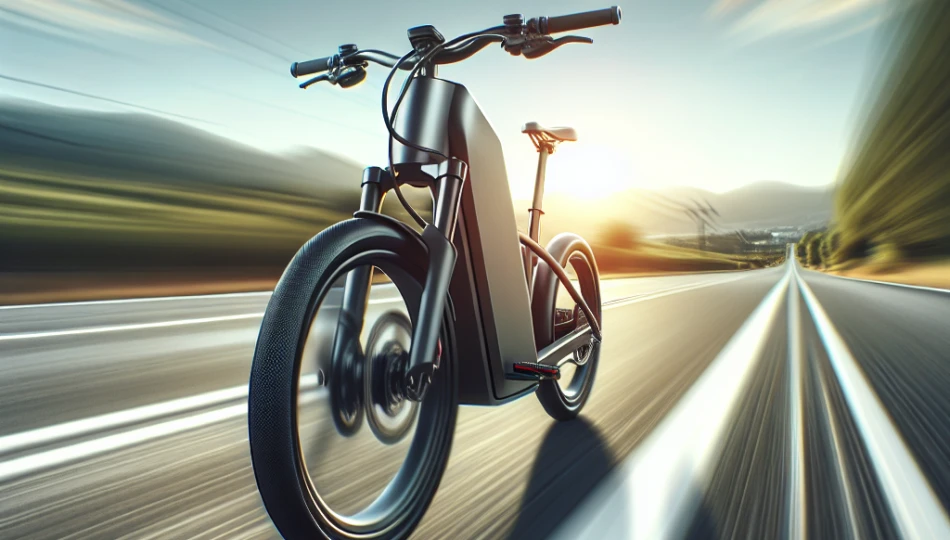
In recent years, the popularity of electric bikes has surged, driven by their convenience, eco-friendliness, and the thrill of cycling with electric assistance. However, one question often arises among potential cyclists and new e-bike owners: What is the maximum legal speed for electric bikes? The answer is that it typically varies by jurisdiction, but in many places, electric bikes are legally limited to a maximum speed of 20 to 28 mph depending on their classification. Understanding these regulations is crucial for safe and legal riding. In this article, we’ll explore 5 key factors that determine the maximum legal speed for electric bikes.
1. Classifications of Electric Bikes
Electric bikes are categorized into different classes, which directly influence their maximum speed limits. Most regions recognize three main classes of electric bikes:
- Class 1: These bikes are pedal-assist only and do not have a throttle. They assist the rider while pedaling, up to a maximum speed of 20 mph.
- Class 2: These bikes come with a throttle that can propel the bike without pedaling, with a maximum speed also capped at 20 mph.
- Class 3: Often referred to as speed pedelecs, these bikes can assist the rider up to 28 mph but may require a helmet and be restricted from certain bike paths.
Understanding these classifications is essential as they dictate how and where you can ride. For example, Class 1 and Class 2 bikes are generally allowed on bike paths, while Class 3 bikes may have restrictions depending on local laws.
Moreover, some jurisdictions are starting to implement additional classifications or regulations. It’s crucial for riders to stay informed about local laws to ensure compliance and safety.
2. Local and State Regulations
Each state or country can establish their own electric bike regulations, therefore it is advisable to be knowledgeable about the local laws governing e-bike speed limits. In the United States, for instance, regulations can vary widely:
- Some states follow the 20 mph and 28 mph limit conventions for electric bikes.
- Other places have unique rules; for example, New York classifies Class 3 e-bikes but restricts them from bike paths.
Many regions also enforce varying age restrictions for riders on electric bikes. For example, riders under 16 may not be allowed on Class 3 bikes in certain states. Riding regulations can also be affected by local ordinances, so checking with local authorities before taking your e-bike for a spin is a good practice.
Furthermore, licensing, insurance, and registration may be required for higher-speed electric bikes in some areas, which further emphasizes the importance of understanding local laws to avoid possible fines or penalties.
3. Manufacturer Specifications
Another critical aspect regarding the maximum legal speed of electric bikes relates to the manufacturer’s specifications. Manufacturers design e-bikes with specific components and limitations that ensure compliance with regulatory standards. Key components include:
- Motor Power: Electric bikes are typically categorized by their motor power, ranging from 250 watts to 750 watts depending on the electric class.
- Controller Settings: The controller is responsible for regulating the power output of the motor, which can impact the bike’s top speed.
Most manufacturers will adhere to legal speed limits to avoid liability issues. As a result, electric bikes that conform to regulations will usually have speed limits integrated into their designs:
- E-bikes with 250-watt motors often support speeds up to 20 mph.
- E-bikes with 750-watt motors will generally be able to reach the 28 mph limit.
This adherence to specifications not only ensures that the bike remains compliant but also enhances rider safety, as exceeding recommended speeds can lead to loss of control and increased risk of accidents.
4. Safety Considerations
Safety is paramount when it comes to cycling, and speed plays a significant role in ensuring a safe riding experience. Riding at higher speeds can increase the chances of accidents, particularly in populated areas or on bike paths shared with pedestrians:
- Impact of Speed: Faster speeds can lead to more severe injuries in the event of a fall or collision.
- Stopping Distance: The faster you go, the longer it takes to stop. This is critical when reacting to unforeseen obstacles.
Electric bikes equipped with proper safety features such as reliable brakes, lights, and reflective materials can significantly reduce the risk of injury:
- Using disc brakes can provide better stopping power compared to traditional rim brakes, especially at higher speeds.
- Adding lights and reflective gear increases visibility, making it safer for riders when traveling at top speeds.
Also, riders are encouraged to wear appropriate safety gear, including helmets that meet safety standards. Some regions may even require helmets for higher speed classes, further highlighting the importance of safety while enjoying the advantages of electric biking.
5. Environmental and Community Impact
The speed limit regulations for electric bikes are not just about legal compliance and safety; they also reflect broader community and environmental considerations. As their popularity rises, more communities are integrating electric bikes into their transportation solutions:
- Reduced Traffic Congestion: By promoting e-biking, jurisdictions can alleviate traffic congestion while also encouraging cleaner air.
- Enhanced Public Spaces: With well-defined speed limits, bike paths and roads can be safer and more enjoyable for everyone, including pedestrians.
By adhering to prescribed speed limits, electric bike riders contribute positively to their communities and help ensure that biking remains an attractive and safe option for both current and future riders. Additionally, they can promote the use of electric bikes as a sustainable mode of transport, which can further enhance public policy supporting green initiatives.
In conclusion, understanding the maximum legal speeds for electric bikes involves assessing their classifications, local regulations, manufacturer specifications, safety considerations, and their impact on the environment and community. These factors not only determine how fast you can go but also influence the overall biking experience.
Understanding the Technical Aspects of E-Bike Speed Regulation
While legal classifications, local regulations, and safety considerations are vital, the technical aspects that influence an electric bike’s speed capabilities deserve comprehensive exploration. E-bike technology plays a crucial role in determining the maximum speed you can achieve while ensuring compliance with local laws.
Motor Types and Their Impact on Speed
The motor type integrated into an electric bike is one of the primary factors that influence speed. There are mainly two types of motors found in electric bikes: hub motors and mid-drive motors. Hub motors are located in the wheel hub and can provide direct propulsion. They are often easier to install, but high-powered hub motors can lead to increased top speeds, particularly in Class 3 e-bikes.
Mid-drive motors, on the other hand, are situated at the bike’s crankset. This positioning allows for better weight distribution and more efficient power transfer to the bike’s chain. Mid-drive motors often provide superior torque, allowing riders to climb hills more easily while maintaining compliance with speed limits.
Battery Capacity and Its Role in Performance
The capacity of an e-bike’s battery significantly contributes to its performance and speed. Higher capacity batteries allow for longer rides and can support more demanding motors. For instance, a 48V battery setup will often complement a higher-power 750-watt motor much better than a 36V system, allowing riders not only to reach maximum speeds but to do so over extended periods without the battery depleting quickly.
Moreover, the discharge rate of the battery also affects how quickly the bike can accelerate. If the battery can deliver high amps at the start, the motor can perform better during those initial moments of acceleration, which is crucial for merging onto roads or navigating busy intersections.
Safety and Best Practices for Riding E-Bikes
Riding an electric bike at its maximum legal speed can be exhilarating, but proper safety practices are essential to ensuring that this enjoyment does not come at the cost of safety.
Pre-Ride Checks
One of the best practices for e-bike riders is to perform pre-ride checks to ensure that the bike is in optimal condition before heading out. This includes inspecting the brakes, ensuring that the battery is adequately charged, checking tire pressure, and confirming that the lights are functioning correctly. Such proactive measures can mitigate potential hazards that could arise when riding at higher speeds.
Understanding Your Surroundings
A key aspect of safe riding is awareness of the environment around you. This includes observing traffic rules, using designated bike lanes, and being mindful of pedestrians and other cyclists. As speeds increase, so does the responsibility to remain alert and responsive to changes in the surrounding environment. Consider practice sessions on low-traffic routes to build your confidence and skills before venturing onto busier streets. Additionally, consider utilizing hand signals for turning and stopping to communicate your intentions to other road users effectively.
Frequently Asked Questions
1. Are there e-bikes that exceed 28 mph legally?
Yes, while Class 3 e-bikes are limited to speeds of 28 mph in most jurisdictions, higher-powered e-bikes can exist. However, in many areas, these bikes may fall into different regulatory categories. They can be classified more as electric motorcycles, which could necessitate licenses, registration, and insurance to ride legally. Always check local legislation to clarify the requirements associated with these vehicles.
2. Do I need a special license to ride an electric bike?
Generally, you do not need a special license to ride a Class 1 or Class 2 electric bike since they are often treated like traditional bicycles. However, for Class 3 e-bikes and higher-speed e-bikes, some states may have specific licensing requirements or regulations. Checking local laws is crucial, as these can differ significantly from one location to another.
3. Is insurance necessary for electric bikes?
Insurance for electric bikes varies based on local laws and personal preference. While insurance is not typically required for Class 1 and Class 2 bikes, riders may want to consider liability or theft coverage for higher-speed bikes or those used for commuting. Insurance can also provide peace of mind against damage and accidents, especially as speeds increase.
4. Can I modify my electric bike to go faster?
While many riders consider modifying their bikes to achieve higher speeds, doing so can lead to legal and safety complications. Modifications might breach local laws regulating maximum speed limits, which can result in fines or penalties. Moreover, modifications can compromise the bike’s safety features and reliability, posing risks to the rider and others on the road. It’s essential to understand the consequences and safety implications before making any alterations to an electric bike.
5. How can I improve my riding skills for higher speeds?
Improving riding skills on an e-bike, especially at higher speeds, involves practice and education. Joining local cycling groups or taking classes can provide valuable experience and tips on handling higher speeds. Practicing emergency braking and mastering cornering techniques are also crucial skills that can enhance safety while riding faster. Becoming familiar with the bike’s braking system and how it behaves at speed will also improve confidence and safety.
6. What should I consider when purchasing an e-bike for speed?
When purchasing an electric bike with a focus on speed, several factors should be considered. Look for a bike with robust braking systems, as increased speed creates a need for efficient stopping power. Additionally, ensure the bike has quality components – including the motor type, battery capacity, and frame material – as these impact overall performance. Trying out the bike beforehand allows for an evaluation of its responsiveness and comfort at higher speeds.
Summing It Up
The maximum legal speed of electric bikes is governed by various interconnected factors, including classifications, local laws, manufacturer specifications, safety considerations, and community impact. Riders should remain informed about their local regulations and understand their bike’s capabilities to ensure a safe and compliant riding experience.
As the e-bike industry continues to evolve, regulations may change, and new technologies will emerge that could influence speed limits and safety features. Understanding these dynamics will not only enhance individual biking experiences but also contribute positively to the broader biking community and shared public spaces.
With safety at the forefront, responsible riding practices, coupled with appropriate speed adherence, allow electric bikes to be used as an effective, fun, and environmentally friendly mode of transportation.