
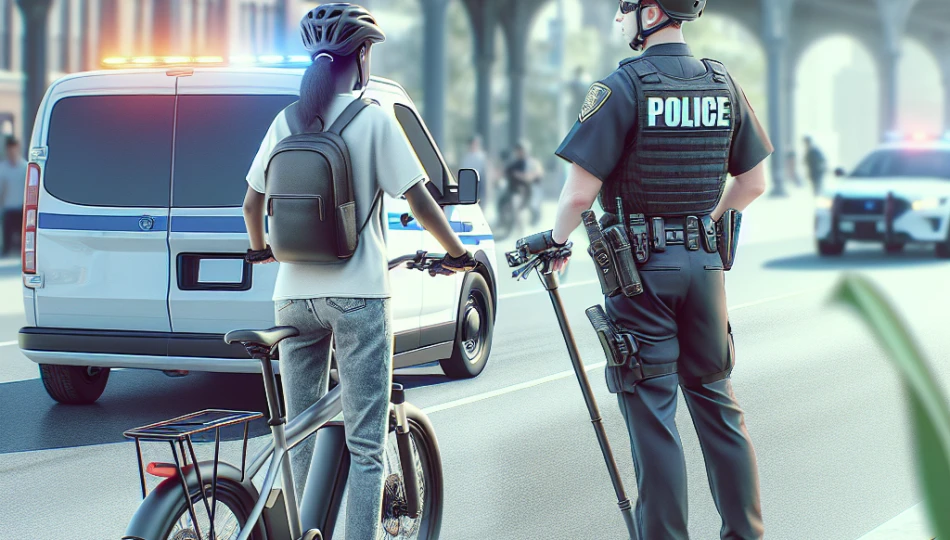
Riding an electric bike can be a thrilling and eco-friendly way to travel, but it can also come with its challenges, especially when it comes to interactions with law enforcement. Whether you’re using your e-bike for commuting, running errands, or leisure, knowing what to do if stopped by police is crucial for your safety and rights. So, what should you do if stopped by law enforcement on an electric bike? The answer is clear: stay calm, follow the rules, and be prepared to communicate effectively. In this article, we will discuss seven essential tips that can help you navigate such situations smoothly.
1. Remain Calm and Composed
When stopped by law enforcement, your first instinct might be shock or anxiety. However, remaining calm can make a significant difference. Remember that the officer is simply doing their job, and staying composed can help diffuse any tension. Take a few deep breaths and gather your thoughts before interacting.
- Maintain a steady tone of voice.
- Don’t make sudden movements, as this can be misinterpreted.
- Focus on the officer’s questions and answer them clearly.
Your demeanor can impact the outcome of the interaction. An officer is more likely to respond positively to someone who appears calm and respectful, which can lead to a more constructive conversation and potentially fewer complications.
2. Know Your Rights
It’s essential to understand your legal rights as an electric bike rider. Familiarize yourself with local laws regarding e-bikes, including your rights during a traffic stop. Here are some key points to remember:
- You have the right to remain silent.
- You have the right to ask if you are being detained.
- You can refuse a search if the officer does not have probable cause.
By being informed about your rights, you’ll be better equipped to advocate for yourself if necessary. If you feel your rights are being violated, document the encounter as best as you can afterward, noting names, badge numbers, and the details of the situation.
3. Identify Yourself Clearly
When approached by law enforcement, one of the first things they might request is your identification. If you are in a jurisdiction where e-bike riders are required to carry an ID or a bike registration, make sure you present it promptly.
- Always carry a valid driver’s license or state-issued ID.
- If possible, have your e-bike registration or proof of ownership.
- Be polite and cooperative in providing the requested information.
Providing clear identification can help establish trust and reduce suspicion. It’s important to communicate openly and follow any reasonable requests from the officer while also being cautious about sharing unnecessary personal information.
4. Comply with Officer Requests
While it’s crucial to know your rights, complying with lawful requests made by the officer can help to keep the situation under control. If an officer asks you to step off your bike or to move to a designated area, make sure to comply respectfully.
- Obey the traffic laws relevant to e-bikes.
- Follow instructions calmly and without argument.
- Keep conversations respectful to avoid escalation.
Noncompliance can lead to misunderstandings or escalate the situation. It’s wise to comply with requests unless they are unreasonable, in which case you can discuss your position calmly. Keeping a respectful attitude can ease tensions and may lead to a quicker resolution.
5. Document the Encounter
If you feel comfortable doing so, consider documenting the encounter. This could involve taking notes immediately after the interaction while the events are still fresh in your mind. Capture details such as the time, location, the officer’s badge number, and what was discussed.
- Use your smartphone to record the interaction if it’s safe and legal to do so.
- Take photographs of where the encounter occurred for context.
- Note any witnesses who can substantiate your account.
Having documented evidence can be invaluable if you need to contest any charges or file a complaint later. Documentation provides a factual basis to support your account of the incident, which can be helpful if disputes arise over how the interaction unfolded.
6. Understand Local Laws and Regulations
Familiarizing yourself with local e-bike laws and regulations can prevent conflicts on the road. Rules may vary significantly by state or municipality, particularly regarding where you can ride, age requirements, and necessary equipment.
- Research your area’s e-bike laws before you ride.
- Be aware of any specific helmet laws and safety requirements.
- Know the divisions in e-bike classifications (Class 1, Class 2, Class 3) and their regulations.
By understanding and adhering to these laws, you can reduce your chances of being stopped by law enforcement in the first place. Additionally, when you are informed about the regulations, it helps you explain your situation better if you do get stopped.
7. Be Prepared for Questions
When interacting with a law enforcement officer, expect questions that may include inquiries about where you are going, your destination, and your e-bike’s specifications. Be prepared to answer truthfully and succinctly.
- Have an explanation ready for why you are on your e-bike.
- Be honest about your journey and your e-bike’s modifications.
- Stay polite and patient, even if the questions feel invasive.
The manner in which you respond to questions can influence how the officer perceives you. Honest and straightforward answers can help establish credibility, while evasiveness may increase suspicion and escalate the situation.
What to Do If You Are Not Familiar with E-bike Laws
For those venturing into the world of electric biking, it can be challenging to navigate the maze of local laws and regulations. It’s essential to familiarize yourself with where you can ride, the speed limits, and any requirements specific to e-bikes. The consequences of ignorance can range from receiving a warning to facing legal penalties, which underscores the importance of being prepared.
Local regulations often outline the classification of e-bikes (Class 1, Class 2, and Class 3) and dictate how they are treated on roads, bike lanes, and trails. For example, Class 1 bikes are similar to traditional bicycles, requiring cyclists to pedal, while Class 3 bikes can be equipped with a throttle for speeds up to 28 mph. Knowing these distinctions helps ensure that you ride legally and safely and can articulate your understanding if stopped by authorities.
Further, some jurisdictions may have restrictions on e-bikes in certain areas, such as local parks or sidewalks. It’s advisable to check city or county websites, or even visit local bike shops for insights regarding your area’s specific e-bike laws. Gaining this understanding before heading out will empower you as a cyclist and may prevent unnecessary encounters with law enforcement.
What If You Feel Wronged or Mistreated?
Experiencing a negative interaction with law enforcement can be unsettling, particularly if you feel you were wronged or treated unfairly. If you find yourself in this situation, know that there are steps you can take to address it. Firstly, it’s critical to remain calm and avoid escalating the situation during the encounter.
After the interaction, you can document your experience, as mentioned earlier. Detailed notes can be incredibly helpful if you choose to file a complaint. You may contact the police department directly to raise your concerns, detailing the officer’s behavior and any inappropriate comments made during the stop. Most police departments have an internal affairs division or a community liaison that can assist with grievances.
Additionally, consider discussing your experience with local advocacy groups. Many organizations dedicated to cycling rights and community biking issues provide resources and support for individuals who have had negative encounters with law enforcement. They can guide you on how to file complaints effectively and may even offer legal assistance depending on the severity of the incident.
How to Educate Others about E-bike Laws
As an e-bike rider and advocate for safe cycling practices, you have a unique opportunity to educate your peers and community about the laws surrounding e-bikes. Sharing this information can foster a culture of respect and safety among all road users. You might start by initiating conversations with friends, family, and fellow cyclists, clarifying the rules they may not be aware of.
Organizing or participating in local bike events is also an excellent method for raising awareness in the community. Hosting workshops that include experts such as biking advocates or law enforcement officers can provide valuable insights and facilitate discussions about safety and legality. Creating flyers or informative brochures and distributing them at local bike shops or community centers can further spread awareness.
Utilizing social media platforms is another powerful tool for outreach. Sharing infographics about e-bike laws and safety regulations on platforms like Facebook or Instagram can help educate a broader audience. Many people might be interested in learning more about e-bikes, whether they currently ride or are considering making a purchase.
Frequently Asked Questions
1. Do I need a special license to ride an electric bike?
The requirement for a license to ride an electric bike varies from state to state and even within municipalities. In many places, you do not need a special license for Class 1 and Class 2 e-bikes, as they are treated similarly to traditional bicycles. Class 3 e-bikes, on the other hand, may have different mandates. For instance, some areas might require riders to be at least 16 years old and wear a helmet. Always check local regulations to ensure compliance.
2. Can I ride an electric bike in bike lanes?
Most jurisdictions permit electric bikes to ride in bike lanes, as they are often considered bicycles. However, Class 3 e-bikes may face restrictions in specific locations, including some bike lanes, or require cyclists to wear helmets. Understanding your region’s regulations on bike lanes and thoroughfares for e-bikes is essential to avoid fines or accidents.
3. What should I do if I’m involved in an accident on my e-bike?
If you’re involved in an accident while riding your e-bike, the first priority is to ensure your safety and the safety of others. Check for injuries and contact emergency services if required. Documenting the scene is crucial—take photos, gather witness statements, and exchange information with the other parties involved. Having insurance for your e-bike can also be beneficial, as it may cover damages or injuries sustained in an accident.
4. Are electric bikes allowed on trails?
Electric bike access to trails largely depends on area regulations. Some parks and trails allow e-bikes while others designate certain pathways as e-bike free zones. Many jurisdictions classify their trails differently for Class 1 and Class 2 e-bikes, which often receive more lenient access rules compared to Class 3 e-bikes. Always check signage at trailheads or consult local parks and recreational websites for guidance.
5. What are the common reasons e-bike riders are stopped by law enforcement?
Common reasons include riding without a helmet (if required by law), not adhering to traffic signals, riding on sidewalks where e-bikes are prohibited, or riding an e-bike classified above the local speed limits. Being informed about these regulations allows you to anticipate potential issues while riding and promotes respectful sharing of the roads.
6. Can I modify my electric bike?
Modifying your electric bike is permissible as long as the modifications comply with local laws. However, certain changes can affect the classification of your e-bike, such as removing speed limits or altering the wattage of the motor. Significant modifications might classify your e-bike differently under the law, potentially requiring licensing or registration. Always check local regulations before making significant modifications.
7. Is insurance necessary for riding an electric bike?
While most places do not mandate insurance for e-bike riders, having insurance can provide important protection. It can help cover liability in case you cause an accident or damage property. Additionally, insuring your e-bike against theft or damage can offer peace of mind, especially considering the expense of quality e-bikes.
Summing It Up
Navigating interactions with law enforcement while riding your electric bike requires awareness, preparation, and respect. By following the tips discussed in this article, from remaining calm and knowing your rights to understanding local e-bike laws, you can ensure that your rides remain enjoyable and without disruptions. Keeping thorough documentation of any encounters and educating others in your community can also strengthen the culture around e-bike riding.
Remember, learning about both your rights and responsibilities as an e-bike rider empowers you to advocate for yourself and promotes a safer riding environment for everyone. The insights gained from both personal experience and community engagement can also pave the way for better legislation and support for e-bike riders moving forward. Ride safely and responsibly, and enjoy the benefits that electric biking brings to your lifestyle.