
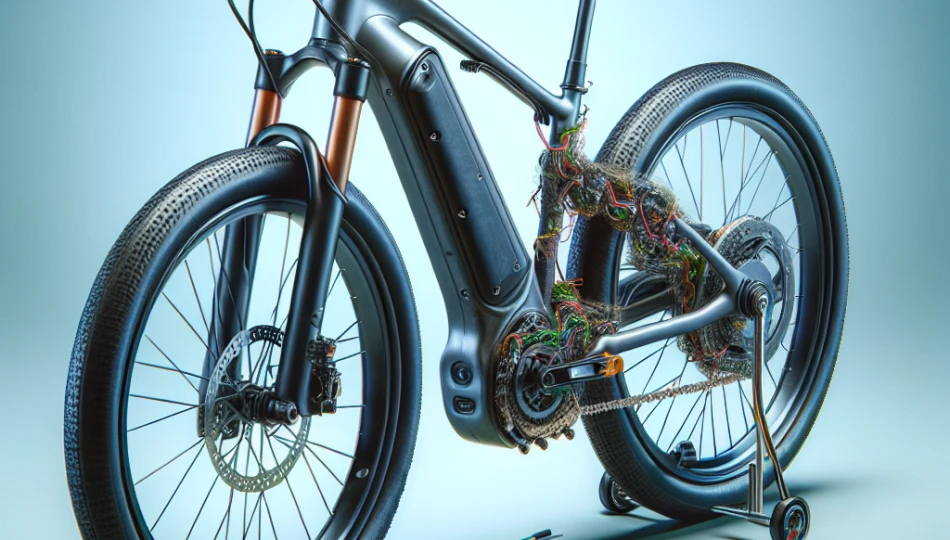
Electric bikes, or e-bikes, have revolutionized the way we commute, exercise, and enjoy the outdoors. With their growing popularity, more and more users are hitting the roads on these efficient, eco-friendly vehicles. However, like any mechanical device, electric bikes can encounter issues over time. Understanding the potential problems can help you maintain your e-bike and keep it running smoothly. So, what are the most common electric bike problems? The answer lies in recognizing some key issues, ranging from battery troubles to mechanical failures.
1. Battery Problems
The battery is a vital component of any electric bike, and issues with it are among the most common problems riders face. Battery failure can occur for various reasons, including age, improper charging, or extreme temperatures. It’s essential to keep an eye on the battery’s health to ensure uninterrupted rides.
- Age: Over time, the capacity of the battery can decrease. Most lithium-ion batteries last around 2-4 years, depending on usage and care.
- Charging Habits: Frequent charging when the battery isn’t empty or leaving it plugged in for too long can deteriorate battery health.
- Temperature Sensitivity: Extreme cold or heat can impact the battery’s range and performance.
To mitigate these issues, always follow the manufacturer’s guidelines for battery care. Regularly check for corrosion or damage, and consider investing in a battery management system to monitor its performance.
2. Flat Tires
Flat tires are a common nuisance for any cyclist, and electric bikes are no exception. The added weight of the motor and battery can increase the likelihood of punctures, especially if riders frequently traverse rough terrain. Identifying the cause of flat tires is crucial.
- Punctures: Sharp objects like nails or glass can easily puncture a tire and cause a flat.
- Pinch Flats: These occur when the tire pressure is too low, and the tire pinches against the rim during a bump.
- Wear and Tear: Old or frequently used tires may show signs of cracking or thinning, making them more susceptible to flats.
To avoid flat tires, regularly inspect and maintain your tires, ensuring they are properly inflated and addressing any punctures or gravel that can cause damage. Carrying a repair kit during rides can also help you address flat tires on the spot.
3. Mechanical Failures
Mechanical failures can range from problems with the gears to issues with brakes or the motor itself. These failures can significantly impact your riding experience and can sometimes lead to safety concerns.
- Derailleur Issues: The derailleur helps shift gears smoothly. Misalignment can cause skipping or difficulties in changing gears.
- Brake Problems: Faulty brakes can lead to unsafe riding conditions, especially if they are worn out or misaligned.
- Motor Malfunctions: The motor may stop functioning due to electrical issues or excessive wear over time.
Regular maintenance, including checking your gears and brakes, can help prevent mechanical failures. Consider taking your e-bike to a professional if you notice any unusual noises or difficulty while riding—it’s better to address mechanical problems sooner rather than later.
4. Electrical Problems
Electric bikes are powered by various electrical components, including the motor, battery, and controller. Problems in the electric system can lead to performance issues, including loss of power and erratic behavior.
- Loose Connections: Over time, connections can become loose or corroded, leading to poor performance or complete failure to start.
- Faulty Controllers: The controller regulates power between the battery and motor. If it fails, it can lead to inconsistent performance.
- Wiring Issues: Frayed or damaged wires can cause shorts and may even lead to safety hazards.
To prevent electrical problems, regularly inspect your e-bike’s wiring and connectors. It’s helpful to keep your bike clean and free from dirt and moisture, which can contribute to corrosion and shorts. If issues persist, seek professional help to diagnose and repair the electrical system.
5. Display Malfunctions
The display unit on electric bikes provides essential information such as speed, battery level, and trip distance. Problems with the display can hinder your experience by preventing access to crucial data.
- Screen Issues: Cracked or damaged screens can make it difficult to read the display, affecting usability.
- Sensor Problems: The sensors that feed information to the display may malfunction, leading to incorrect readings.
- Connection Failures: Just like other electrical components, displays rely on solid connections that can degrade over time.
To ensure the display continues to perform well, handle it carefully to avoid cracks, and avoid exposing it to extreme weather. If you notice incorrect readings or screen failures, consult the user manual or reach out to a qualified technician for repairs or replacements.
6. Chain and Gear Issues
The chain and gear system is crucial for the smooth operation of your e-bike. Problems here can lead to discomfort while riding or even render your bike inoperable.
- Chain Wear: Chains stretch over time, which can lead to skipping gears and inefficient power transfer.
- Gear Misalignment: Misalignment can cause gears to skip or not engage properly, making cycling difficult.
- Lubrication Needs: Lack of proper lubrication can increase friction, leading to faster wear of both the chain and gears.
Regularly check the chain for signs of wear and test the smoothness of your gear shifts. Keeping the chain clean and lubricated will help maintain efficiency and prolong the lifespan of both components. If you notice skipping or difficulty shifting, it may be time to adjust or replace the chain and gears.
7. Weight and Balance Issues
Electric bikes often weigh significantly more than traditional bicycles due to the added components. This increased weight can lead to balance issues, especially for new riders.
- Handling Difficulties: Heavier bikes may be harder to control, especially on turns or descents.
- Rider Size and Fit: It’s essential that the bike fits the rider well to ensure effective handling.
- Carrying Cargo: Additional weight from bags or cargo can further impact bike stability and performance.
Before embarking on your rides, ensure that your bike fits properly and that your weight distribution is balanced. When carrying cargo, distribute the weight evenly, and avoid overloading the bike to ensure a safe ride. If you’re struggling with balance, consider practicing in a safe area until you gain confidence.
8. Maintenance and Repairs
Routine maintenance is essential to prolonging the life of an electric bike. Unlike traditional bicycles, e-bikes involve more complex systems, particularly the electrical components, which require extra attention. Regular maintenance can prevent potential issues from escalating into costly repairs and can ensure the bike remains safe and efficient.
One of the key areas to focus on is the battery maintenance. Always follow the manufacturer’s recommendations for charging and storage. This includes not only when to charge but also how to store the battery when not in use. Additionally, checking for corrosion on terminals and ensuring that connections are tight can prevent electrical issues down the road.
In terms of physical components, regular cleaning of the bike, especially after rides in wet or muddy conditions, can prevent dirt buildup that leads to wear and tear. It’s also wise to perform periodic checks on the brakes, gears, and tires to catch any signs of wear early. If you’re unfamiliar with bike mechanics, consider visiting a professional technician for comprehensive tune-ups and repairs every so often.
9. Upgrades and Modifications
Many electric bike owners consider upgrades to enhance performance, improve comfort, or simply customize their ride. However, before modifying your e-bike, it’s crucial to be aware of the potential implications certain upgrades may have on the bike’s warranty and safety.
One popular modification is the installation of a more powerful battery. Upgrading to a battery with a higher capacity can extend your range significantly, making it easier to take longer rides without worrying about running out of power. However, ensure that the new battery is compatible with the existing motor and electronic system to prevent performance issues.
Another common upgrade includes enhancing the bike’s suspension system. For riders who enjoy off-road trails, better shocks can make the ride smoother and help deal with rougher terrains. Similarly, switching to puncture-resistant tires can reduce the likelihood of flats during rides. It’s always recommended to research thoroughly and consult with professionals when considering upgrades.
10. Riding Techniques
How you ride can significantly impact your e-bike’s performance and longevity. Developing efficient riding techniques can not only enhance your experience but also reduce the wear and tear on mechanical components.
One of the most important techniques involves using the pedal assist system wisely. Many e-bikes come equipped with different levels of assistance; using a lower power assist can help conserve battery life and prolong its lifespan. Additionally, being mindful of your gearing and shifting smoothly can prevent strain on the chain and gears, ensuring they operate efficiently.
Riding at a consistent speed, particularly in electric mode, can maximize battery usage. Sudden accelerations or decelerations can draw more power and lead to quicker battery drain. It’s advisable to familiarize yourself with the bike’s response to various terrains and adjust your riding style accordingly for optimal performance.
11. Legal and Safety Considerations
As electric bikes become more common on roads, understanding the legal requirements and safety considerations becomes increasingly important. Different regions have various laws governing where e-bikes can be ridden, the maximum speed limits, and whether riders are required to wear helmets.
Before taking your e-bike out, it’s vital to check your local regulations regarding e-bike classifications. E-bikes are often categorized into several classes (Class 1, Class 2, and Class 3), each with specific rights and restrictions. For instance, Class 1 e-bikes are pedal-assisted and can usually ride in bike lanes, whereas Class 2 bikes may have a throttle and could face additional restrictions.
Safety gear is equally important. While helmets are a legal requirement in many places, wearing reflective clothing and using lights can greatly enhance visibility during low-light conditions. Investing in quality brake lights or signals can also alert other road users of your movements, significantly increasing safety while riding in traffic.
Frequently Asked Questions
1. How do I maintain my electric bike battery?
To maintain your electric bike battery, charge it regularly without overcharging, which can harm battery life. Store it in a cool, dry place when not in use, and try to keep it above 20% charge regularly. Inspect the terminals for corrosion and ensure they are clean and tight. Regular maintenance can significantly extend battery life.
2. What type of maintenance do electric bikes require?
Electric bikes require similar maintenance to traditional bicycles, including regular tire pressure checks, brake adjustments, and chain lubrication. Additionally, check electrical connections for signs of wear or corrosion. Periodic professional servicing can help identify issues that may not be obvious during casual inspections.
3. Can I ride my electric bike in the rain?
Most electric bikes are designed to be weather-resistant, but it’s still wise to be cautious. While light rain should be fine, heavy downpours can lead to issues such as short circuits in electrical systems. Dry your bike off after riding in the rain and ensure all components are cleaned and maintained to avoid rust or corrosion.
4. How fast can electric bikes go?
The speed of electric bikes can vary based on their classification. Generally, Class 1 and Class 3 e-bikes are allowed to assist up to 20 mph, while Class 2 e-bikes (with a throttle) may assist up to 28 mph. Always adhere to local laws regarding speed limits and ensure your bike complies with regulations when riding.
5. What should I do if my e-bike won’t turn on?
If your electric bike won’t turn on, first check the battery charge level and ensure it’s properly connected. Inspect the wiring for any apparent damage. If everything appears normal but the bike still doesn’t turn on, consult the manufacturer’s guidelines or a professional technician to diagnose potential electrical failures.
6. Is it possible to convert a regular bike into an electric bike?
Yes, many companies offer conversion kits that allow you to transform a traditional bicycle into an electric bike. These kits typically include a motor, battery, and necessary wiring. However, it’s crucial to ensure that your bike frame can support the additional weight and power and that the installation is done properly to ensure safety.
7. How can I improve the range of my electric bike?
Improving your e-bike’s range can be achieved through various methods, such as avoiding excessive acceleration and keeping a steady pace. Regular battery maintenance, such as ensuring proper charge levels and storing the battery safely, also contributes. Additionally, reducing weight by minimizing cargo or opting for lighter components can enhance battery efficiency.
Summing It Up
Understanding common electric bike problems and their solutions can significantly enhance your riding experience. From battery maintenance to mechanical inspections, vigilance goes a long way in ensuring an enjoyable, safe ride. By staying informed about potential issues such as flat tires and electrical problems, you can proactively address concerns before they become major headaches.
Regular maintenance and a good riding technique not only prolong the life of your e-bike but also enhance performance and safety. Moreover, being aware of legal regulations and safety measures ensures that you can ride confidently and responsibly.
Whether you are just starting your e-bike journey or have years of experience, taking a proactive approach to maintenance and care will ensure you continue to enjoy the many benefits these innovative bikes bring to your daily commute and recreational rides.