
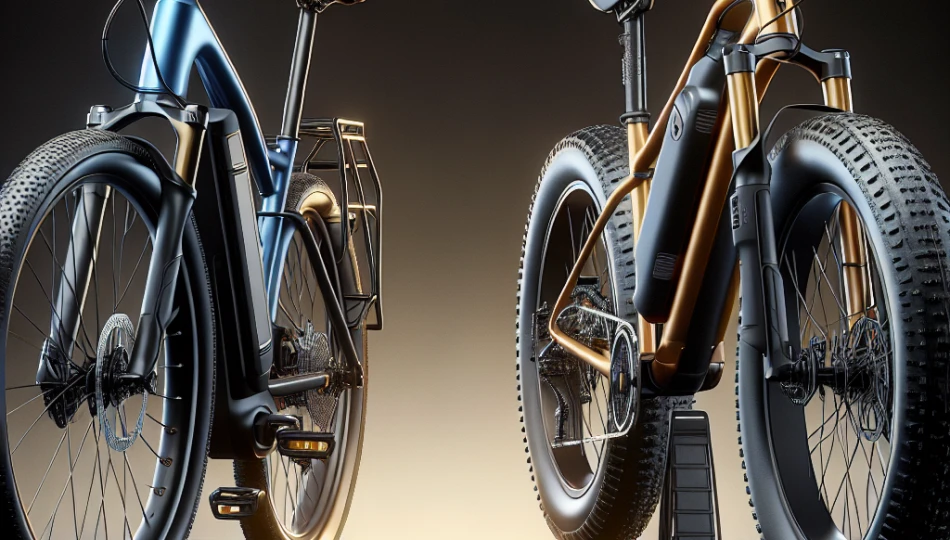
As urban cycling and outdoor adventures continue to gain popularity, the bicycle market has expanded to include various designs tailored to different needs and preferences. Among these, lightweight electric bikes and fat-tire bikes stand out for their unique features and benefits. If you’re considering a bicycle purchase or seeking to understand your options better, it’s essential to explore how these two types of bikes compare. How does a lightweight electric bike compare to a fat-tire bike? In short, lightweight electric bikes are designed for speed and efficiency, perfect for urban commuting, while fat-tire bikes excel in providing stability and traction on rough terrains.
1. Weight and Portability
One of the most noticeable differences between lightweight electric bikes and fat-tire bikes is their weight and ease of transport. Lightweight electric bikes typically weigh between 35 to 50 pounds, making them easier to carry, maneuver, and store. In contrast, fat-tire bikes tend to be heavier due to their thicker tires and frame construction, often weighing upwards of 50 pounds or more.
- Lightweight electric bikes allow for convenient carrying on public transportation.
- They are easier to lift and carry up stairs or in and out of vehicles.
- Fat-tire bikes, while robust, can be cumbersome, especially in urban settings.
For individuals who live in environments where they need to carry their bikes frequently, such as apartments without elevators or regions with many stairs, a lightweight electric bike may be the more practical choice.
2. Speed and Performance
Speed is another area where lightweight electric bikes shine in comparison to fat-tire bikes. The lightweight frame and the electric motor allow for higher speeds, typically reaching over 20 MPH with minimal effort. This makes them ideal for commuting in urban environments where time matters.
- Electric assistance can help you maintain speed even on inclines or against headwinds.
- Fat-tire bikes, although fun and stable, are generally built for leisurely rides.
Fat-tire bikes, on the other hand, are designed for traction over unstable surfaces rather than speed. While they can handle rough terrains like dirt trails and sandy beaches well, they usually don’t compete with lightweight electric bikes in terms of speed and acceleration.
3. Terrains and Riding Conditions
The terrains these bikes are designed for significantly influence their performance and suitability. Lightweight electric bikes are optimized for smooth roads and moderate inclines, making them an excellent choice for city commutes and paved paths.
- They perform best on well-maintained surfaces and can tackle small hills with ease.
- They offer a more rigid frame for effective handling and a responsive ride.
Contrarily, fat-tire bikes are engineered for more rugged terrains, such as gravel paths, snow, or sand. Their larger tires provide better traction and stability, allowing riders to explore diverse environments confidently.
The specific tire design of fat-tire bikes aids in dispersing the bike’s weight over a larger surface area, reducing the risk of sinking into soft ground, which is especially beneficial during off-road adventures.
4. Comfort and Riding Experience
Both bike types offer unique riding experiences informed by their design and intended use. Lightweight electric bikes generally provide a sportier feel, making them suitable for more aggressive riding styles or swift commutes. Their lightweight design facilitates quicker handling and a nimble ride.
- Saddle designs and geometry often prioritize speed and aerodynamics.
- Less weight equals less fatigue on longer rides.
Fat-tire bikes, in contrast, are renowned for their comfort, especially over rough terrain. The cushioning effect of the larger tires absorbs bumps and impacts, providing a smoother ride experience even on uneven ground. This makes them appealing to casual riders or those who enjoy leisurely explorations in remote areas.
Additionally, many fat-tire bikes feature a more relaxed riding position, promoting a comfortable posture that reduces strain during long rides.
5. Battery Life and Range
The battery systems in lightweight electric bikes provide riders with varying experiences. Most lightweight electric bikes are designed for urban rides and commuting, which typically require shorter ranges. On average, they deliver battery ranges between 20 to 50 miles, depending on usage and terrain.
- Battery efficiency can be affected by the level of pedal assist used.
- More power-heavy settings lead to faster depletion, especially with sustained high speeds.
Fat-tire bikes, being mechanical and not reliant on a motor, do not have battery concerns. This absence of electrical components allows for longer rides without the need for charging, making them a great choice for all-day adventures in the wilderness or on back trails. Riders do not have to worry about battery management, ensuring a longer exploration without interruptions.
6. Cost and Maintenance
When it comes to cost and maintenance, lightweight electric bikes typically come with a higher upfront price due to their added technology and components. A quality electric bike can cost anywhere between $1,500 to over $3,000, depending on brand, features, and materials used.
- Electric bike maintenance may involve servicing the motor and battery, which can add to costs.
- Replacement parts for electric bikes, such as batteries, are often expensive.
On the other hand, fat-tire bikes are usually more affordable upfront. A decent fat-tire bike can range from about $800 to $2,000. Maintenance tends to be simpler and less expensive as they are mechanical; thus, repairs usually focus on the mechanical components like brakes and tires. The absence of electrical parts can make them more durable in environments where components might be at risk of damage.
7. User Preferences and Purpose
Ultimately, choosing between a lightweight electric bike and a fat-tire bike may come down to personal preferences and intended use. If you’re looking for a fast, efficient ride for daily commutes in the city or to keep up with a busy lifestyle, a lightweight electric bike could be the ideal option.
- Great for health-conscious individuals who still want the support of an electric assist.
- Perfect for urban dwellers needing to weave through traffic effortlessly.
Conversely, if your goal is to explore unpaved trails, traverse rugged landscapes, or engage in leisurely rides with friends and family, a fat-tire bike will likely be more appropriate. The stability and comfort of these bikes make them excellent companions for adventures beyond the city limits.
Terrain-Specific Accessories
When choosing between a lightweight electric bike and a fat-tire bike, considering terrain-specific accessories becomes crucial. Besides the bicycles themselves, various accessories can enhance performance and comfort depending on the intended riding environment.
Accessories for Lightweight Electric Bikes
Lightweight electric bikes benefit from accessories designed for speed and efficiency. Riders may opt for aerodynamic handlebar grips and lightweight storage solutions like a compact rear rack that doesn’t add significant weight. A quality helmet designed for speed and airflow can enhance comfort during commutes.
Bike lights and reflectors are vital for enhancing visibility during urban rides, especially in low-light conditions. Many urban cyclists also add phone mounts to keep navigation accessible. Also, choosing lightweight puncture-resistant tires can further reduce overall weight while maintaining performance.
Accessories for Fat-Tire Bikes
For fat-tire bikes, accessories focus on optimizing stability and comfort in rough terrains. High-volume tire pumps and multi-tools that fit well in larger bags become essential for handling diverse trail conditions.
Riders often equip their fat-tire bikes with fenders to protect against mud and water during off-road adventures. Comfortable grips and ergonomic handlebar designs help reduce fatigue during long rides over bumpy terrains. Additionally, exploring options for bike bags with increased storage capacity becomes easier with the larger frames typical of fat-tire bikes, allowing riders to carry gear for camping or long-distance cycling trips.
Environmental Impact
As eco-consciousness rises globally, the environmental impact of chosen bikes should also be considered. Lightweight electric bikes and fat-tire bikes offer different ecological footprints depending on their usage and material compositions.
Lightweight Electric Bikes
Lightweight electric bikes, while electric-powered, can be environmentally friendly options, especially when used for commuting instead of short car rides. E-bikes typically contribute to lower urban congestion and less air pollution, especially in cities where congestion leads to increased vehicle emissions.
However, the production and disposal of batteries come with environmental challenges. It’s crucial for users to consider battery recycling programs to ensure responsible disposal. Additionally, opting for bikes from manufacturers who have sustainable practices, such as using eco-friendly materials, can further minimize environmental impacts.
Fat-Tire Bikes
Fat-tire bikes are mechanically powered, producing zero emissions when riding. Their straightforward construction means they usually require less energy-intensive manufacturing processes compared to electric bikes. Riders can also use fat-tire bikes to explore local parks and natural reserves, promoting ecologically sustainable practices without damaging the trails.
The durability of fat-tire bikes often enables longer lifespans, resulting in fewer replacements and waste over time. Many riders find that they can maintain mechanical bikes more easily without relying on external services, further reducing their environmental impact through self-repair and maintenance.
Frequently Asked Questions
1. Can I convert a fat-tire bike to electric?
Yes, you can convert a fat-tire bike to electric using a conversion kit designed specifically for this purpose. These kits typically include a motor, battery, and controller that can be installed on the bike. However, ensure that the bike’s frame and components can handle the added weight and power of an electric system.
2. How do I maintain my lightweight electric bike?
Maintaining a lightweight electric bike involves regularly checking the battery, motor, and physical components. Battery maintenance includes keeping it charged properly and preventing over-discharge. Routine checks on the brakes, tire pressure, and chain cleanliness can ensure optimal performance. Regular services with a bike technician familiar with electric systems are recommended for more complex maintenance needs.
3. Are fat-tire bikes good for city commuting?
Fat-tire bikes can be suitable for city commuting, particularly when road surfaces are less maintained, as they provide excellent stability and cushioning. However, their heavier weight might slow down travel compared to lightweight electric bikes. For urban environments with both paved and unpaved paths, some riders appreciate the versatility of fat-tire bikes.
4. How far can I ride on a lightweight electric bike?
The range of a lightweight electric bike varies based on the battery capacity and level of pedal assist. Most provide between 20 to 50 miles on a single charge. Riders can maximize this by choosing efficient routes, moderating assist levels based on terrain, and maintaining optimal tire pressure.
5. Will I get a workout on an electric bike?
Yes, riding a lightweight electric bike can provide a good workout, especially if you use the pedal-assist feature rather than relying solely on the motor. Riders can control the exertion levels by adjusting how much they pedal. Using higher assist levels can feel similar to traditional cycling while still providing a cardiovascular workout.
6. Which bike is better for long-distance adventures?
Choosing the better bike for long-distance adventures depends on the terrain and rider preference. Lightweight electric bikes are advantageous for paved paths and urban commutes where speed is valued. Conversely, for more rugged adventures through trails or challenging terrains, fat-tire bikes provide stability and comfort, allowing for multi-day excursions if equipped properly.
7. Are there any legal considerations for electric bikes?
Yes, there can be legal considerations for riding electric bikes, which vary by location. Many areas classify electric bikes into categories based on speed and motor power, influencing where they can be used. Riders should verify local laws regarding electric bike classifications, registration requirements, and any trails or paths that restrict e-bike usage.
Summing It Up
Understanding the differences between lightweight electric bikes and fat-tire bikes is crucial for making an informed choice based on your lifestyle and cycling preferences. Lightweight electric bikes offer speed, efficiency, and are ideal for urban commuters and active city living. The convenience of electric assistance enhances the cycling experience, allowing riders to tackle longer distances and challenging inclines more easily.
On the other hand, fat-tire bikes deliver unmatched stability and comfort on varied terrains, making them perfect for adventure enthusiasts and casual riders who prioritize leisure and exploration. The added traction and cushioning of fat tires ensure smooth rides over rugged landscapes, offering the simplicity of mechanical cycling without the complexities of electrical components.
Ultimately, whether you choose a lightweight electric bike or a fat-tire bike, both options provide unique benefits tailored to specific purposes and riding conditions. Assessing your needs, preferences, and the environments you plan to ride in will lead you to the perfect biking option for your lifestyle.