
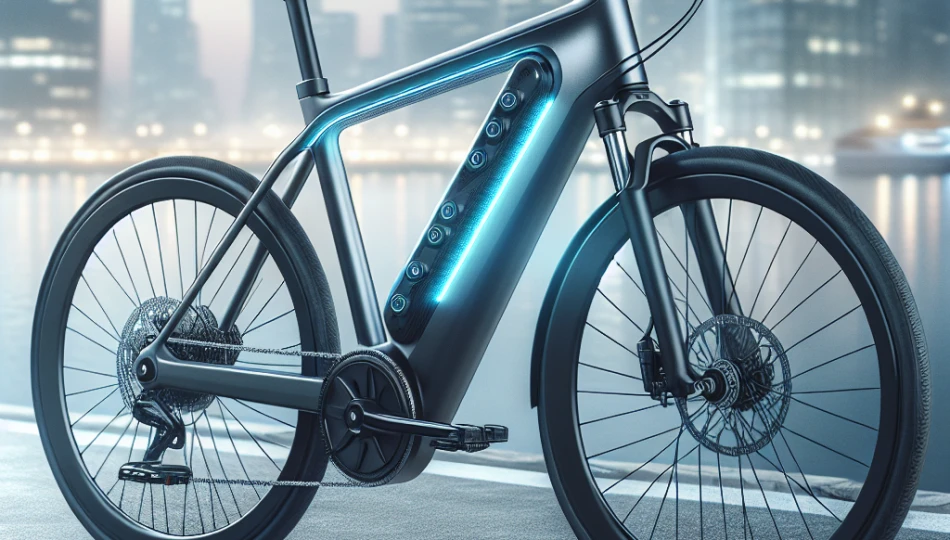
The world is in a constant search for sustainable and efficient means of transportation as the effects of climate change become more pronounced. Among the numerous alternatives to traditional fuel-based vehicles, electric bikes have gained immense popularity over the past decade. However, as technology evolves, the spotlight is shifting towards hydrogen-powered bikes. But are hydrogen-powered bikes a future alternative to electric bikes? Yes, they are a promising alternative due to their eco-friendliness, faster refueling times, longer ranges, and reduced reliance on electricity from the grid.
1. Eco-Friendly and Sustainable
One of the most compelling reasons for adopting hydrogen-powered bikes is their eco-friendliness. Hydrogen bikes emit only water vapor as a byproduct, making them an incredibly clean mode of transportation. This contrasts sharply with electric bikes that, while they have no tailpipe emissions, can still be indirectly responsible for carbon emissions depending on how the electricity used to charge them is generated.
The production of hydrogen can also be sustainable. When produced through green methods—such as electrolysis powered by renewable energy sources—hydrogen becomes an entirely carbon-neutral solution. This means that the total lifecycle emissions associated with hydrogen bikes can be significantly lower than their electric counterparts. Some points to consider include:
- Hydrogen production has the potential to utilize excess energy from renewable sources.
- The water generated as a byproduct can be considered an environmental benefit.
- Enhanced recycling processes for hydrogen fuel cells are being developed, further reducing waste.
2. Faster Refueling Times
Refueling is a significant consideration for any vehicle. One of the advantages of hydrogen-powered bikes is their fast refueling capabilities. While electric bikes can take anywhere from 1 to 8 hours to charge, depending on their battery capacity and charging infrastructure, hydrogen fuel refueling can take as little as 3 to 5 minutes.
This quick turnaround is especially beneficial for users who need to get back on the road quickly. Imagine a busy commuter who just needs to stop and refuel before continuing their journey or a delivery person who requires a reliable vehicle for time-sensitive packages. The efficiency of hydrogen refueling can reduce downtime significantly, which is critical in urban environments. Additionally, some aspects to consider are:
- Hydrogen infrastructure is still being developed, but initial efforts suggest a growing network of refueling stations.
- Faster refueling means less planning required for long trips, making hydrogen bikes more practical for daily use.
- It opens the door for potential business uses where productivity is paramount.
3. Longer Range
Hydrogen-powered bikes often have a longer range compared to electric bikes. While the average electric bike can range from 20 to 50 miles per charge, hydrogen bikes can potentially cover over 200 miles on a single tank of hydrogen. This extended range stems from the energy density of hydrogen, which is significantly higher than that of lithium-ion batteries used in electric bikes.
This longer range allows riders to undertake longer journeys without the constant worry of running out of power. For adventurers or individuals who enjoy extended rides in the countryside, this feature opens up new possibilities. It extends the practical applications of hydrogen bikes beyond just city commuting to long-distance touring. Consider these aspects:
- Fewer stops for refueling can mean more time enjoying the ride.
- Greater freedom to explore rural areas without the need for frequent charging stations.
- Ideal for users who travel regularly between cities or regions.
4. Lower Weight and Improved Performance
Another noteworthy advantage of hydrogen bikes is their potential for a lower overall weight compared to electric bikes. With bikes that utilize a hydrogen fuel cell, there’s less need for heavy batteries that can add significant weight. This can result in a lighter, more agile bike that enhances performance and ride quality.
The performance benefits of hydrogen bikes can lead to improved handling, faster acceleration, and an overall more enjoyable riding experience. Additionally, lighter bikes put less strain on components, which can contribute to longer life and reduced maintenance costs. Some notable points include:
- Lower weight often translates into less physical effort required to ride, making it accessible for a wider range of riders.
- Improved aerodynamics and handling characteristics can enhance the safety of riding.
- The potential for specialized designs that take full advantage of the benefits of hydrogen as an energy source.
5. Diversification in Technology and Market Options
The emergence of hydrogen-powered bikes adds an exciting layer of diversity to the personal transportation market. As the technology matures, consumers may see an increase in options, allowing for tailored bikes that meet specific needs or preferences. This can lead to a more competitive market where innovation flourishes.
Diversification can also bring about a healthier ecosystem for businesses. Manufacturers will be incentivized to explore various technologies to enhance their product lines, which can yield significant improvements in user satisfaction, reliability, and affordability. Points to consider include:
- A broader range of models could cater to different needs, from casual riding to high-speed commuting.
- Competition in the market can drive prices down for consumers.
- Innovation in related technologies, like recycling methods and fuel-cell efficiencies, can benefit all types of bikes.
Advantages of Hydrogen Infrastructure Development
For hydrogen-powered bikes to thrive, it is crucial that a reliable infrastructure for hydrogen refueling is developed. Currently, the infrastructure for hydrogen fueling is limited compared to the widespread network of electric vehicle charging stations. However, several countries are increasingly investing in hydrogen refueling stations. Governments and private entities see the potential of hydrogen as a clean energy alternative, fueling interest in creating this necessary infrastructure.
As hydrogen production methods advance and become more cost-effective, this will encourage the establishment of refueling stations. Hydrogen can be produced on-site using renewable energy, which could further decrease transportation costs and increase the viability of hydrogen-powered modes of transportation. Enhanced infrastructure will not only benefit individual consumers but could also support commercial hydrogen vehicles, expanding the market’s adoption. Additionally, collaborative efforts between governments, research institutions, and the private sector can accelerate the pace of hydrogen infrastructure expansion, mirroring how electric vehicle charging networks developed over time.
Environmental Impact and Lifecycle Analysis
A comprehensive environmental analysis is crucial when comparing hydrogen-powered bikes with electric bikes. While hydrogen bikes produce only water vapor, the environmental impact of hydrogen production must be critically assessed. The two main methods of hydrogen production are steam methane reforming and electrolysis. The former utilizes fossil fuels and can result in greenhouse gas emissions, thereby posing challenges for sustainability if not produced via renewable means. In contrast, when hydrogen is generated through electrolysis using wind, solar, or hydro power, it can be incredibly eco-friendly.
Lifecycle analysis of both types of bikes should consider not just emissions, but also the environmental effects associated with battery production for electric bikes. The extraction of lithium, cobalt, and nickel used in batteries can have significant environmental costs. Moreover, unlike hydrogen, the recycling processes for batteries are still developing, which means that as the demand for electric bikes increases, it could result in considerable waste. Therefore, it’s important to take a holistic view of both technologies to understand their true environmental impacts comprehensively.
Market Potential and Economic Factors
The potential market for hydrogen-powered bikes is influenced by various economic factors, including consumer awareness and the cost of technology. As awareness regarding environmental issues rises, consumers are more inclined to opt for sustainable transportation options. The rising cost of oil and increasing fuel prices also present an economic incentive to explore alternatives like hydrogen. With advancements in fuel cell technology and economies of scale, the costs associated with hydrogen bikes may drop, making them more accessible to the average consumer.
Moreover, the emergence of fuel cell technology has attracted significant venture capital investment. Companies in the automotive sector have begun to explore hydrogen not only for cars but also for two-wheelers. This influx of investment will likely accelerate research and development, leading to more efficient hydrogen solutions. The development of partnerships between manufacturers and public transport systems can enhance hydrogen’s market presence and application, further solidifying its place in the transportation landscape. A quicker transition to hydrogen-powered mobility could thus stimulate growth across various sectors of the economy.
Technological Innovations in Hydrogen Power
The field of hydrogen technology is evolving rapidly, with ongoing research focusing on making hydrogen-powered bikes even more viable, efficient, and appealing to consumers. Innovations in fuel cell design and hydrogen storage solutions can lead to lighter, more compact, and more efficient systems. For instance, breakthroughs in membrane technology could improve the efficiency and longevity of fuel cells, extending the life of the bikes while simultaneously reducing maintenance costs.
Moreover, the development of renewable hydrogen production processes, such as using solar or wind energy, ensures that hydrogen remains a sustainable alternative as it keeps pace with the global push for cleaner energy sources. Partnerships with tech firms and universities could result in accelerated innovation, bringing forth new safety features, improvements in energy efficiency, and the introduction of smart technology in these bikes. Innovations in rider connectivity could enable travel planning based on hydrogen station locations, creating a seamless user experience.
Frequently Asked Questions
1. How does the technology of hydrogen fuel cells work in bikes?
Hydrogen fuel cells work by converting hydrogen gas into electricity through a chemical reaction with oxygen. The fuel cell comprises an anode, a cathode, and an electrolyte membrane. Hydrogen enters the anode where it splits into protons and electrons. The protons move through the electrolyte membrane to the cathode, while the electrons travel through an external circuit, creating an electric current that powers the bike. Meanwhile, at the cathode, the protons and electrons recombine with oxygen, producing water vapor as the only byproduct. This process is efficient and produces high energy output relative to its weight.
2. Are there any downsides to hydrogen-powered bikes?
While hydrogen bikes offer numerous advantages, several challenges persist. The primary issue is the current limited availability of hydrogen refueling stations, which restricts practicality for everyday use. Additionally, hydrogen production must improve to ensure it is consistently generated using renewable sources in order for the entire lifecycle of hydrogen bikes to be environmentally friendly. The storage and transportation of hydrogen can also present safety concerns, as hydrogen is highly flammable and requires special handling and technology. Finally, as the market is still developing, initial costs for hydrogen bikes might be higher compared to traditional electric bikes, although costs are anticipated to decrease over time with advancements in technology.
3. How do hydrogen bikes compare to traditional bikes?
Hydrogen bikes have significant advantages over traditional pedal bikes, especially regarding their ability to cover longer distances quickly. While traditional bikes depend exclusively on human power, hydrogen bikes provide pedal assist, giving riders a more comfortable experience, especially on hilly terrains or long-distance rides. Moreover, the weight associated with a fully electric bike is reduced with a hydrogen bike, as they do not require large battery packs, which adds to the overall riding comfort. However, traditional bikes remain the most energy-efficient option, as they don’t rely on any fuel sources aside from human effort.
4. Will hydrogen bikes work in various weather conditions?
Yes, hydrogen bikes are generally robust and designed to function in various weather conditions. Like electric bikes, they can be fitted with features such as weather-resistant casings for fuel cells, enabling them to operate effectively in rain, snow, or hot weather. However, riders may need to take precautions, particularly in extreme conditions. Cold temperatures can affect the efficiency of hydrogen production, while heavy rain may potentially impact vehicle components. Proper maintenance and the selection of high-quality parts can mitigate many of these concerns, ensuring long-lasting reliability.
5. Can you use hydrogen bikes for commuting and long trips?
Absolutely! Hydrogen bikes are well-suited for both short commutes and long-distance travel. Their fast refueling capability allows riders to quickly regain power for extended journeys, which makes them convenient for commuters who may not have long charging breaks available. Additionally, with a range that can exceed 200 miles, these bikes can support long rides without frequent refueling stops. This versatility makes them ideal for various user needs, from urban commuting to leisurely weekend rides in the countryside.
6. What are the costs associated with owning a hydrogen bike?
The costs of owning a hydrogen bike can vary significantly based on the model, manufacturer, and features. Initial purchase prices might be higher than conventional electric bikes due to the nascent stage of hydrogen technology. However, the lower operating costs associated with hydrogen bikes can offset these costs over time. Hydrogen as a fuel source tends to be more affordable compared to electricity in specific markets, with its energy density allowing for longer rides per refuel. Ongoing maintenance costs are generally comparable to those for electric bikes, combining efficient fuel cell longevity with the durability of the bike itself.
Summing It Up
In conclusion, hydrogen-powered bikes hold significant promise as an alternative to electric bikes, particularly as societies seek sustainable transportation solutions. Their eco-friendliness, quick refueling times, extensive range, lighter weight, and diverse market options position them as a compelling choice for environmentally conscious consumers. While challenges such as infrastructure development and public awareness remain, the trend toward cleaner energy solutions keeps them in the spotlight.
As technological innovations advance and production methods become more efficient, the future of hydrogen-powered bikes looks brighter. Their advantages could potentially lead to widespread acceptance, revolutionizing personal transportation and contributing positively to climate change mitigation. With the commitment from manufacturers, consumers, and governments alike, hydrogen-powered bikes could significantly reshape the landscape of sustainable transportation.