
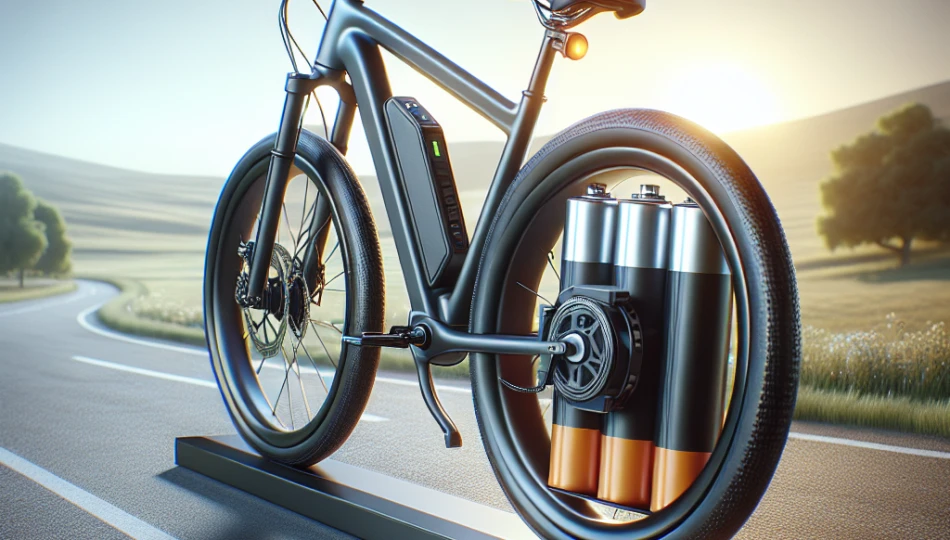
Electric bikes (e-bikes) have surged in popularity in recent years as a sustainable alternative to traditional bicycles and motor vehicles. With advancements in battery technology, e-bikes are becoming more efficient, offering longer ranges, shorter charging times, and improved performance. But what are the latest advancements in electric bike batteries? Recently, we have seen significant breakthroughs in battery composition, charging solutions, and overall efficiency that are transforming the e-bike landscape.
1. Lithium-Sulfur Batteries
Lithium-sulfur (Li-S) batteries are emerging as a game changer in the electric bike battery market. Unlike traditional lithium-ion batteries, Li-S batteries combine lithium and sulfur to create a higher energy density. This means they can store more energy in a lighter package, which is essential for e-bike enthusiasts who prioritize performance without adding unnecessary weight.
- Higher Energy Density: Li-S batteries offer up to five times the energy capacity of standard lithium-ion batteries. For e-bike users, this translates to longer riding distances between charges.
- Lighter Weight: The use of sulfur, which is abundant and low in weight, means these batteries can significantly reduce the overall weight of the bike, improving handling and efficiency.
- Cost-Effectiveness: With sulfur being a cheaper material than cobalt or nickel, Li-S batteries could lead to lower production costs, making e-bikes more accessible.
As manufacturers continue to research and develop this technology, we can expect to see a surge in e-bikes equipped with lithium-sulfur batteries, providing riders with exciting opportunities for long-distance travel without the burden of heavy battery packs.
2. Solid-State Batteries
Solid-state batteries represent another exciting advancement that promises to address many limitations of current lithium-ion technologies. Instead of using a liquid electrolyte, solid-state batteries utilize a solid electrolyte, enhancing safety and performance.
- Safety Improvements: Solid-state batteries are less susceptible to leaks and thermal runaway, which can cause fires in traditional batteries. This aspect significantly improves the safety of electric bikes.
- Longer Lifespan: These batteries typically exhibit greater durability, meaning they can endure more charge cycles than conventional batteries, resulting in less frequent replacements.
- Faster Charging: With advancements in solid electrolytes, these batteries can theoretically be charged more quickly, providing users with more flexibility and convenience.
Although still in the development phase, solid-state batteries are burgeon on the brink of practical use in e-bikes, offering potential for a safer and more efficient future in electric mobility.
3. Battery Management Systems (BMS)
Battery management systems have become increasingly vital in improving the performance and longevity of electric bike batteries. These sophisticated systems monitor battery conditions and optimize performance, providing an array of benefits to users.
- Cell Balancing: BMS technology ensures that each cell in the battery pack is charged equally, preventing overcharging and prolonging overall battery life.
- Thermal Management: Advanced BMS can regulate temperature, ensuring that batteries operate within optimal ranges, reducing the risks associated with overheating.
- Real-Time Monitoring: Many BMS units provide user-friendly interfaces that display battery health, charge levels, and estimated remaining range, allowing riders to plan their journeys effectively.
The integration of sophisticated BMS into e-bike designs translates into improved user experience, safety, and battery life, making rides more enjoyable and reliable. As technology continues to advance, the inclusion of smarter BMS options will likely become standard practice.
4. Fast Charging Technology
Time is often of the essence for e-bike users, especially for those who rely on their bikes for daily commuting. Fast charging technology has made substantial progress recently, reducing the amount of time required to recharge batteries significantly.
- High-Capacity Chargers: Innovative charging solutions allow higher voltages and currents to be delivered to the battery, enabling charging times to be cut down to as little as one hour for full charges.
- Smart Charging Stations: The development of smart charging stations that optimize charging speed based on battery condition ensures that e-bikes can be charged safely and quickly.
- Public Charging Infrastructure: With an expanding network of fast-charging stations in urban locations, e-bike riders can enjoy convenient recharging during their daily routines.
As fast charging technology continues to evolve, e-bike users will experience increased freedom and reduced anxiety about battery levels, helping to promote wider acceptance of these eco-friendly vehicles.
5. Integrated Energy Storage Systems
Integrated energy storage systems (IESS) are a revolutionary approach to power management in electric bikes. These systems work by incorporating battery technology with energy-harvesting solutions, optimizing energy usage during rides.
- Energy Recovery: IESS can harvest kinetic energy during pedaling and braking, converting it into usable energy to recharge the batteries, thus extending the range of the bike.
- Solar Integration: Some advanced systems can integrate solar panels, allowing e-bikes to self-charge while stationary or during rides on sunny days.
- Seamless User Experience: With integrated systems, riders receive real-time feedback on energy savings and battery levels, creating a user-friendly experience focused on energy efficiency.
This convergence of technology not only enhances the functionality of e-bikes but also promotes a more sustainable approach to electric mobility, making it easier for users to embrace eco-friendly commuting.
6. Modular Battery Designs
Modular battery designs are quickly gaining traction as a solution for e-bike owners who desire flexibility and convenience. This approach involves batteries that can be easily swapped out or upgraded, appealing to a diverse range of users.
- Interchangeable Packs: Riders can purchase additional battery packs, extending their travel range without being tied to a single charge.
- Upgradable Technology: As battery technology improves, users can upgrade their packs without having to replace the entire bike, making it a cost-effective solution.
- Ease of Use: The ability to simply swap batteries helps alleviate range anxiety and promotes a more enjoyable riding experience.
By implementing modular designs, manufacturers can also cater to users with varying needs, from casual riders to long-distance commuters, providing them with tailored options for their e-biking journeys.
7. Enhanced Battery Recycling Programs
With the growing popularity of electric bikes comes the need for efficient recycling methods for spent batteries. Enhanced battery recycling programs are emerging as a crucial aspect of creating a sustainable future for e-mobility.
- Resource Recovery: Programs aim to recover valuable materials, such as lithium, cobalt, and nickel found in batteries, reducing the need for new mining operations.
- Environmental Impact: Proper recycling reduces the environmental footprint by minimizing hazardous waste and promoting a circular economy.
- Consumer Awareness: By educating consumers about recycling practices, manufacturers are fostering a more responsible attitude towards e-bike ownership.
As responsibility towards environmental preservation increases, advancements in battery recycling will play a vital role in enhancing the sustainability of electric bikes, encouraging more people to choose these eco-friendly modes of transportation.
Advanced Battery Chemistry Developments
The future of electric bike batteries is being significantly influenced by advanced battery chemistry research. Innovations in materials and chemical compositions promise to create lighter, more efficient, and safer batteries.
Nanoscale Materials
Nanoscale materials are paving the way for more efficient batteries. By enhancing the surface area at the nanoscale, researchers are improving the charge-discharge rates of batteries. This means that e-bike batteries can potentially charge faster and store more energy in a smaller footprint.
For example, carbon nanomaterials can be used to create anodes that significantly improve conductivity, enabling more efficient cycling of lithium ions. This translates to better battery performance, enhancing rider experience with more power on demand. The ongoing exploration into nanoscale materials indicates a transformative potential for e-bike technology in the near future.
Cobalt-free Batteries
Cobalt has long been a key component in lithium-ion batteries, but its mining raises ethical and environmental concerns. As a result, lithium-ion batteries using alternative materials are gaining attention, offering a promising path toward sustainable manufacturing practices. Cobalt-free batteries could be produced with materials that are both more affordable and sustainable.
Developments in nickel-rich batteries are already showing promise; these batteries not only reduce reliance on cobalt but also maintain or even enhance energy density. The implementation of cobalt-free alternatives in e-bikes would not only lead to more environmentally friendly practices but also potentially lower costs for consumers.
Future Charging Solutions
The progression of charging technologies is vital for making e-bikes more user-friendly and accessible. As e-bikes gain traction, innovative charging solutions are becoming essential to meet growing consumer demands.
Inductive Charging
Inductive charging, or wireless charging, is emerging as a streamlined solution to battery management in electric bikes. This contactless technology uses electromagnetic fields to transfer energy from a charger to a battery without the need for physical connections.
The convenience offered by inductive charging is remarkable; riders won’t have to fuss with plugs and wires. When implemented widely, it could revolutionize the way e-bike users think about charging, enabling them to simply park over a charging pad and go about their day with minimal hassle. As this technology becomes more affordable, it’s likely to gain traction in residential and public charging stations.
Charging Battery as You Ride
Another exciting development is the concept of charging batteries while the rider is in motion. Technologies such as regenerative braking enable energy recovery during deceleration, while advanced energy-harvesting solutions can convert kinetic energy from pedaling into charge.
Applied effectively, this technology could significantly reduce the need to plug in for charging, allowing riders to cover longer distances with less downtime. For daily commuters, transitioning to such a setup could mean less reliance on charging stations and greater freedom in transportation.
Battery Safety Innovations
With the growing use of electric bike batteries, safety remains a paramount concern for manufacturers and users alike. Recent advancements focus on ensuring that batteries operate safely throughout their life cycles.
Advanced Protective Enclosures
Recent innovations in battery packaging have led to the development of more robust protective enclosures that safeguard against impact, moisture, and extreme temperatures. New materials are being utilized that are not only lightweight but also highly durable, providing e-bike batteries with enhanced protection during everyday use.
Such advancements not only promote the longevity of the batteries but also bolster the overall safety of the bike. Riders can enjoy their e-bikes without the constant worry of battery damage due to environmental factors or accidents, which promotes greater adoption of electric biking.
Self-Diagnostics and Alerts
Battery systems now increasingly incorporate self-diagnostic technologies that can notify users of potential issues before they require maintenance or indicate imminent failure. This proactive management assists in maintaining safety standards and minimizes the risk of incidents while riding.
For instance, by using sensors within the battery management system, riders can receive alerts directly via their connected devices about battery health status, temperature indicators, and overall performance metrics. Such technologies enhance user awareness and contribute to a safer riding experience.
Frequently Asked Questions
1. What is the average lifespan of an electric bike battery?
The lifespan of electric bike batteries typically ranges from 500 to 1,000 charge cycles, depending on the technology used. Most lithium-ion batteries last around 3 to 5 years, while newer technologies like solid-state batteries may offer even longer service life. Proper charge and discharge cycles, along with good maintenance, can also help extend battery lifespan.
2. How long does it take to fully charge an electric bike battery?
Charging times can vary significantly based on the battery size, capacity, and charger type. Standard chargers may take anywhere from 4 to 8 hours to fully charge a battery, while fast chargers can reduce that time to as little as 1 to 3 hours. With ongoing advancements in charging technologies, we anticipate further reductions in recharging times.
3. Are electric bikes safe in wet conditions?
Most electric bike batteries are designed with a certain level of water resistance, making them safe for use in wet conditions. However, riders should ensure that their e-bike meets the necessary safety ratings and that all connections are secured. Riders should exercise caution in heavy rain and avoid deep water that can cause equipment damage.
4. Can I replace my electric bike battery with a different brand?
While it is technically possible to replace an electric bike battery with a different brand, compatibility should be carefully considered. Batteries need to match in voltage, amp-hour rating, and physical size to ensure proper function. It’s always best to consult manufacturer guidelines or a professional before making any replacements.
5. What should I do with my old e-bike battery?
It’s important to dispose of old e-bike batteries responsibly. Many manufacturers and retailers offer recycling programs that allow you to return your spent battery for proper recycling. Check with local authorities for hazardous waste disposal options if a formal program is not available. Recycling helps conserve resources and minimizes environmental impact.
6. How do I know when my e-bike battery needs to be replaced?
Key signs that your e-bike battery may require replacement include a significant reduction in range, failure to hold a charge, or noticeable swelling or leakage. Regular monitoring using a battery management system can also alert you to performance declines. If you’ve consistently had to charge your battery more frequently without achieving expected performance, it may be time for a replacement.
7. Will using my e-bike more frequently affect the battery life?
Using your e-bike regularly can benefit the battery by keeping it active and preventing it from deteriorating from disuse. However, frequent deep discharges can shorten lifespan. It’s advisable to follow manufacturer recommendations on charge cycles and maintenance to promote longevity while enjoying your e-bike frequently.
Summing It Up
The advancements in electric bike batteries play a crucial role in enhancing the overall experience of e-bike users. Innovations in battery chemistry, safety features, and charging methods are paving the way for a brighter future in electric mobility. With developments such as lithium-sulfur and solid-state batteries promising greater energy density and safety, users can look forward to more efficient and reliable rides.
Furthermore, the rise of modular designs and integrated energy storage systems is ensuring that users can have flexible options, catering to different travel distances and usage scenarios. Alongside these technological enhancements, improved recycling programs emphasize sustainability and responsible consumption, making e-biking an even more attractive alternative.
As the electric bike market continues to evolve, these advancements will shape a greener, more efficient future for urban mobility, addressing some of the core challenges posed by traditional transportation. The integration of cutting-edge battery technologies will no doubt play a pivotal role in encouraging more people to adopt e-bikes as a sustainable travel solution.