
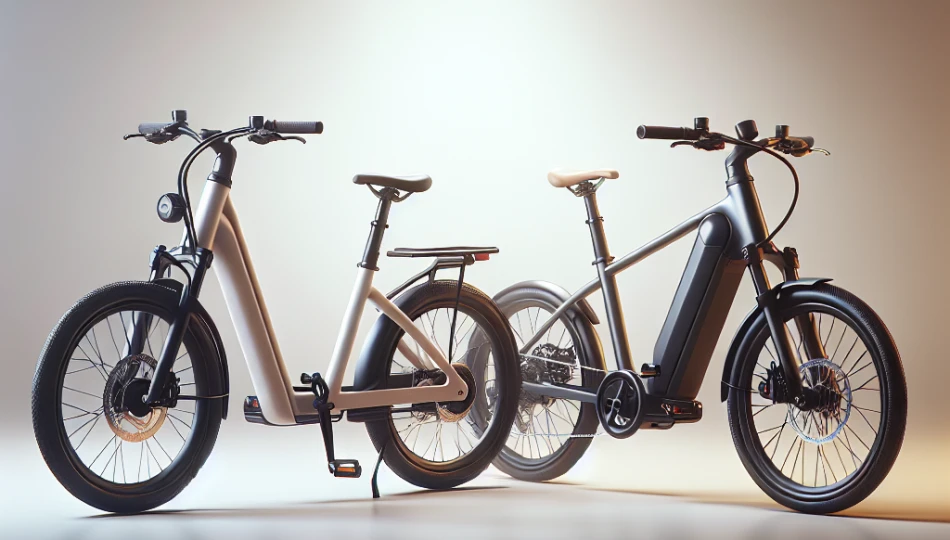
In recent years, electric bikes (e-bikes) have surged in popularity as an eco-friendly mode of transportation and a great way to enjoy outdoor adventures. With the market overflowing with options, potential buyers often find themselves torn between entry-level and premium models. How do entry-level electric bikes compare to premium models? The answer lies in several critical aspects, including performance, features, price, and intended use. In this article, we’ll explore the seven key differences to help you make an informed decision.
1. Price Point
One of the most significant differences between entry-level and premium electric bikes is their price. Entry-level e-bikes typically range from $500 to $1,500, making them accessible to a wide audience. In contrast, premium models often start at around $2,000 and can exceed $5,000.
- Entry-level bikes offer basic features and components, which help keep costs down.
- Premium bikes, while expensive, often justify their price with high-quality materials, cutting-edge technology, and enhanced performance.
For many, the lower price of entry-level bikes makes them an attractive choice. However, it’s essential to consider long-term value when investing in an e-bike. Premium bikes may be initially more costly, but they often come with superior warranties, durability, and resale value, which can make them a worthwhile investment.
2. Motor Power and Performance
The motor’s power is a critical factor that can greatly influence an e-bike’s performance. Entry-level models generally feature less powerful motors, often between 250W to 500W, which are sufficient for leisurely rides and flat terrains. Premium e-bikes, on the other hand, can have motors ranging from 500W to over 1,000W, allowing for higher speeds and better handling of steep hills.
- Entry-level motors are designed for basic commuting and recreational use.
- Premium motors provide robust performance suitable for more demanding terrains and longer commutes.
For instance, if you live in a hilly area and plan to use your e-bike for daily transportation, opting for a premium model with a more powerful motor could significantly enhance your riding experience, making it easier to conquer inclines without exhausting yourself.
3. Battery Life and Range
Battery capacity is another distinguishing feature between entry-level and premium e-bikes. Typically, entry-level e-bikes come with smaller batteries, generally around 300Wh to 500Wh, allowing for a range of about 20 to 40 miles on a single charge. In contrast, premium models usually sport larger batteries of 500Wh and up, often providing a range of 40 to 100 miles.
- Entry-level e-bikes might require more frequent charging, especially on longer rides.
- Premium e-bikes offer extended range, making them suitable for longer commutes or recreational rides without the hassle of frequent stops to recharge.
Imagine planning a day-long cycling trip. With an entry-level bike, you might need to keep an eye on your battery percentage and could risk running out of power before you reach your destination. Conversely, a premium e-bike can give you the freedom to ride over longer distances comfortably, knowing that you have enough battery power to make it back home.
4. Build Quality and Materials
When it comes to build quality, premium e-bikes typically utilize higher-grade materials such as aluminum or carbon fiber, which not only contribute to a lighter weight but also enhance durability. Entry-level bikes often use heavier materials or lower-grade aluminum to keep production costs low, which can affect their longevity.
- Entry-level models may experience wear and tear more rapidly, particularly under frequent use.
- Premium models are built to withstand the rigors of regular riding and often come with better warranties.
For example, if you plan to use your e-bike for daily commuting, investing in a premium model with sturdy construction can save you money on repairs and replacements in the long run. The robustness of premium bikes also translates to improved safety while riding, particularly in challenging conditions.
5. Features and Technology
Another stark contrast lies in the features and technology that come with entry-level and premium e-bikes. Entry-level models usually include basic components and functionalities such as simple pedal-assist settings and standard displays. Premium e-bikes, however, are often equipped with advanced technology, including comprehensive displays with GPS navigation, smartphone connectivity, and multiple riding modes.
- Entry-level bikes are easy to use but lack many of the modern conveniences that come with premium options.
- Premium models often feature advanced braking systems, integrated lighting, and theft protection systems.
Consumers drawn to tech-savvy bikes will appreciate the enhanced experience that premium models provide. Features like customizable ride settings and diagnostic displays can improve the riding experience and provide essential performance feedback, making them an attractive choice for avid cyclists.
6. Weight and Portability
Weight plays a crucial role when determining the practicality of an electric bike, especially for users who need to transport their bikes or carry them up stairs. Entry-level bikes tend to be heavier, often due to the materials used and the size of the battery. Premium models, conversely, often prioritize lightweight designs, making them more portable.
- Heavier bikes can be cumbersome to transport and may not be well-suited for users who frequently ride in urban environments where bike racks are available.
- Lighter e-bikes are easier to handle and are favored by commuters who might need to carry their bike into buildings or on public transportation.
If your commuting situation requires lifting the bike, a premium model’s reduced weight can be a significant advantage, making your daily travels more convenient and less physically taxing.
7. Customer Support and Service
Finally, customer support and service quality can vary greatly between entry-level and premium e-bikes. Premium models often come from established manufacturers known for their customer service, providing better after-sales support, warranties, and sometimes even extended service plans.
- Entry-level bikes may lack comprehensive customer service, leading to longer resolution times for any issues.
- Premium e-bikes frequently have dedicated support teams and extensive networks of authorized service centers.
The added assurance that comes with premium brands can be a deciding factor for many buyers. Knowing you can access quick support, parts replacements, or maintenance services gives peace of mind and enhances the ownership experience, particularly for those who depend on their e-bikes for daily transportation.
Choosing the Right E-Bike for Your Needs
When considering whether to opt for an entry-level or premium electric bike, it’s essential to evaluate your personal needs and riding goals. For casual riders who may just want to ride around the neighborhood or commute short distances, an entry-level bike can be a perfect fit. They offer the necessary comfort and functionality without overwhelming users with advanced features that may never be utilized.
On the contrary, if you plan to engage in more rigorous biking, need a bike that serves your long-distance travel needs, or you commute in hilly areas, then investing in a premium model offers long-term advantages and comfort. These bikes generally provide a better overall riding experience, integrated features that enhance safety and connectivity, and strong performance that can make even challenging rides enjoyable.
Maintenance and Care for E-Bikes
Understanding the maintenance needs of different e-bikes is a crucial aspect when choosing between entry-level and premium models. Entry-level bikes might require more frequent upkeep and can be more challenging to service due to the use of lower-quality components. Users may find themselves facing issues more often, and sourcing replacement parts might not always be straightforward since the manufacturers of these bikes may not have a comprehensive dealer network.
Premium e-bikes, conversely, often feature parts that are not only higher in quality but also designed for longevity, which can lead to fewer repairs over time. Manufacturers of premium models frequently provide extensive service manuals and support, making it easier to find compatible parts. Additionally, some premium e-bikes include features that indicate when components need servicing, which can save users both time and money in upkeep.
Impact on the Environment
When purchasing an e-bike, considering the environmental impact is becoming increasingly important for many consumers. Both entry-level and premium e-bikes contribute to reducing carbon footprints compared to traditional vehicles; however, the long-term sustainability of the materials and manufacturing processes can significantly differ between the two categories.
Entry-level e-bikes are often produced at a lower cost, which can result in the use of materials that may not be as environmentally friendly. In comparison, premium e-bikes are typically crafted with sustainable materials and manufacturing processes. Companies producing premium bikes often emphasize eco-friendly practices and may even participate in recycling programs or efforts aimed at reducing waste. Investing in a premium e-bike can not only offer personal benefits in terms of quality but also align with a sustainable lifestyle choice.
Customization Options
Customization is another area where premium e-bikes usually surpass entry-level models. Many premium bike manufacturers allow riders to personalize their bikes according to preferences, which can involve everything from frame size to color, components, and tech features. This level of customization ensures that the bike fits the specific requirements and style of the rider, enhancing both comfort and enjoyment during rides.
Entry-level bikes, on the other hand, usually offer limited customization options and come in standard models. While this simplicity works for many, advanced riders who have particular needs or preferences may find entry-level bikes lacking in the ability to tailor their riding experience. Premium models give riders the chance to invest in specific features that matter most to them, such as dropper posts for easier adjustment of the saddle, upgraded tires for improved traction, or advanced display units for better data tracking during rides.
Frequently Asked Questions
1. Are entry-level e-bikes suitable for everyday commuting?
Yes, entry-level e-bikes are suitable for everyday commuting, particularly for those who ride in urban environments or on flat terrain. They are cost-effective and provide sufficient power for short trips and leisurely rides. However, if your commute involves long distances, steep hills, or requires specific features, you may want to consider investing in a premium model.
2. How often do I need to charge an e-bike?
The frequency of charging an e-bike depends on your riding habits and the capacity of the bike’s battery. Entry-level e-bikes, with smaller batteries, may require more frequent charging, especially if used regularly for longer rides. In contrast, premium e-bikes generally have larger batteries and longer ranges, reducing the need to charge as often. As a rule of thumb, charge your e-bike after every significant ride or once the battery level indicator shows low.
3. Can I upgrade my entry-level e-bike in the future?
While some components of entry-level e-bikes can be upgraded, the scope is often limited compared to premium bikes. Upgrading features like tires, lights, or even the seat is generally feasible. However, upgrading components such as the motor or battery may be challenging if the existing parts are not designed to be swapped out. Premium e-bikes frequently support upgrades due to their design flexibility and higher-quality parts, allowing for a more tailored riding experience over time.
4. Are premium e-bikes worth the investment?
For many riders, premium e-bikes are worth the investment due to their enhanced performance, build quality, durability, and available features. If you anticipate using your e-bike frequently or for more demanding rides, a premium model can offer greater value through longevity and lower upkeep costs. For casual, infrequent riders, an entry-level bike might suffice.
5. What should I consider when choosing between entry-level and premium e-bikes?
When deciding between entry-level and premium e-bikes, consider factors such as your riding needs, regular travel distance, terrain, and budget. Evaluate how often you will use the bike, your experience level, and features that matter most to you. Taking these elements into account will help you make a well-informed decision tailored to your lifestyle.
6. Do premium e-bikes have better resale value?
Typically, premium e-bikes retain their value better than entry-level models. The higher quality, brand reputation, and advanced features of premium bikes attract buyers looking for quality used models. In contrast, entry-level bikes may depreciate more quickly due to their lower initial cost and quality. Thus, if resale value is important to you, investing in a premium model may be the better choice.
7. Is insurance necessary for electric bikes?
While insurance for electric bikes isn’t mandatory, many e-bike owners opt for it as a precautionary measure. Premium e-bikes, which are more expensive, may benefit from comprehensive insurance plans that cover loss from theft or damage. If you live in a high-theft area or use your bike frequently, considering insurance can provide peace of mind and financial protection.
Summing It Up
In conclusion, the differentiation between entry-level and premium electric bikes is vast and influenced by multiple factors such as performance, quality, features, and price. For those new to e-bikes or those who ride casually, entry-level options can be a practical choice. They provide sufficient functionality at a lower cost, making them appealing for various riders.
On the other hand, for avid cyclists looking for advanced performance, higher durability, and more sophisticated features, investing in a premium e-bike is often justified. Premium models offer a more satisfying riding experience, practical tech integrations, and superior build quality that significantly enhance overall value.
Ultimately, the right bike for you will depend on how you intend to use it, your riding environment, budget, and personal preferences. Whether you opt for an entry-level model or a premium powerhouse, both types of e-bikes can transform your outdoor experiences and commute, contributing to a more active lifestyle and a reduced environmental impact.