
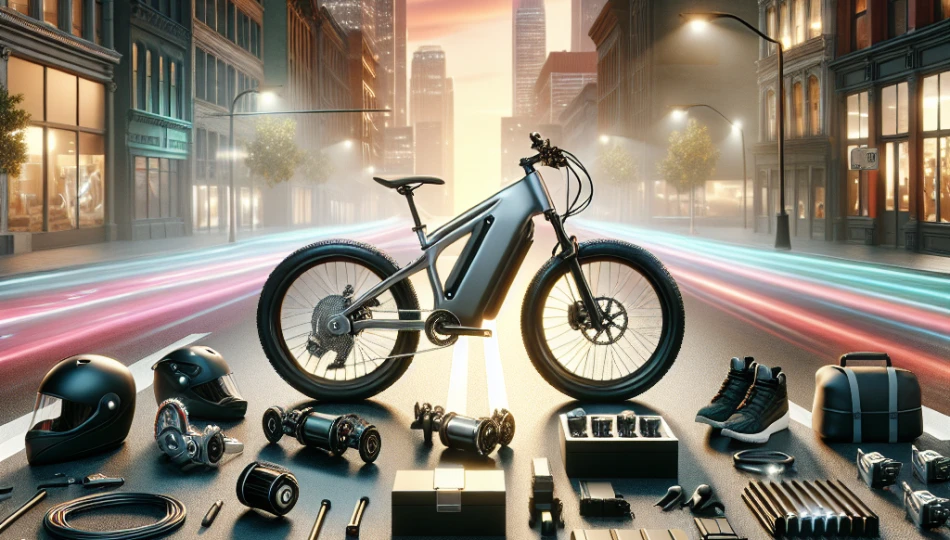
The popularity of electric bikes, or e-bikes, is surging as more people appreciate the convenience and eco-friendliness they provide. With this rise in popularity, electric bike kits have become a common choice for cyclists looking to convert their traditional bicycles into electric ones. However, potential buyers often wonder about the legality of these kits. Are electric bike kits legal in all areas? The answer is no; the legality of e-bike kits varies by region and is influenced by local laws and regulations.
1. Understanding Local E-Bike Regulations
Each jurisdiction has its own rules regarding e-bikes and the kits that convert traditional bikes into electric vehicles. Generally, laws may classify electric bikes into different categories based on their power output, speed, and design.
- Some places may categorize e-bikes as bicycles, allowing them to be used freely on bike paths and streets.
- Others may classify them as motor vehicles, which could require licensing, registration, or insurance.
These classifications impact where e-bikes can be operated. For example, in areas where e-bikes are treated as bicycles, they may enjoy full access to bike lanes and paths, while those classified as motor vehicles may face restrictions. It’s essential for riders to familiarize themselves with local statutes to ensure compliance.
2. Legal Maximum Power and Speed Limits
Your electric bike kit must adhere to the legal power and speed limits set by your area to remain street-legal. In many regions, electric bikes are allowed to have a maximum power output of 750 watts (1 horsepower) and a speed limit of 20 mph when operated on electrical power alone.
- If the kit exceeds these limits, it may classify the bike as a motor vehicle, imposing additional regulations.
- Some states might even have stricter regulations that lower these caps.
For example, California defines e-bike classes and mandates that Class 3 e-bikes, capable of speeds up to 28 mph, must meet specific conditions, including bicycle lane restrictions. Understanding these limits assures you that your converted bike remains compliant with local regulations.
3. Usage Areas and Restrictions
Even when electric bike kits are legal, specific areas may impose restrictions on where you can ride them. Some regions might ban e-bikes from bike paths, stating that only traditional bicycles are permitted, while others promote sharing spaces.
- National Parks and certain conservation areas may have their own rules against using motorized vehicles, including e-bikes.
- Additionally, cities with crowded sidewalks might have specific ordinances prohibiting e-bike use in pedestrian-heavy zones.
Before taking your e-bike out for a ride, it’s wise to check the local regulations concerning the usage of e-bikes in specific areas. Understanding which areas are off-limits can save you from fines or legal issues.
4. Registration and Insurance Requirements
Another critical aspect of e-bike legality revolves around registration and insurance. In many instances, jurisdictions that classify e-bikes as motor vehicles will require riders to register their bikes with the local Department of Motor Vehicles. This process can involve fees and specific documentation.
- Some places go a step further, necessitating liability insurance for e-bike riders.
- These requirements serve various purposes, such as ensuring safety, tracking ownership, and protecting riders in case of accidents.
For instance, Florida mandates e-bike registration for certain classes, while other states do not require registration at all. Therefore, it’s vital to explore the specific obligations in your area to avoid any legal complications.
5. Manufacturer Guidelines and Safety Standards
Manufacturers of electric bike kits must comply with safety standards and regulations, which can differ widely by region. These standards dictate the construction, performance, and labeling of e-bikes to ensure they are safe for public use.
- In some areas, e-bike kits must adhere to specific quality and safety provided by organizations like the Consumer Product Safety Commission (CPSC).
- This compliance is not just a legal this ensures that the product is safe for consumers.
For example, a manufacturer might need to clearly label their product information, including the maximum speed and power output. Owners should also keep in mind that installing a kit incorrectly can expose them to liability issues, especially in the event of an accident. Knowing the manufacturer’s guidelines and safety standards can help shed light on your responsibilities as a rider.
The Impact of Local Advocacy and Legislation
As the e-bike phenomenon continues to grow, local advocacy groups have emerged to promote pro-e-bike legislation. These organizations often work closely with local governments to draft new regulations that are more inclusive for cyclists. For example, they may advocate for the designation of specific bike lanes for e-bike users and push for legislation that eases restrictions on where e-bikes can ride. Such efforts are crucial in shaping the regulatory landscape surrounding e-bikes.
In cities with vibrant cycling communities, there could be considerable pushback against overly restrictive laws. Advocates emphasize the environmental benefits of e-bikes, arguing that they serve as an excellent alternative to cars, thereby reducing traffic congestion and emissions. Support from the cycling community can influence local government decisions about cycling infrastructure, which can ultimately lead to more favorable laws regarding e-bike kits.
Understanding Classifications of E-Bikes
The classification system which differentiates electric bikes is pivotal as it directly influences their legal status. Many jurisdictions categorize e-bikes based on their power output and speed, primarily divided into three classes:
- Class 1: E-bikes that assist pedaling only and cease to provide assistance when the bicycle reaches 20 mph.
- Class 2: E-bikes equipped with a motor that can propel the bicycle without pedaling (up to 20 mph).
- Class 3: E-bikes that assist pedaling and can reach speeds of up to 28 mph but are subject to additional restrictions.
Understanding these classifications not only helps in determining whether your e-bike complies with local laws but also informs riders about where they are allowed to operate. For instance, many bike paths that prohibit Class 3 e-bikes might still allow Class 1 and Class 2 models. Riders need to be vigilant about these distinctions as they can have significant implications for where you can legally ride your e-bike.
The Role of Manufacturers in Ensuring Compliance
When you purchase an e-bike kit, it is essential to ensure that the manufacturer has taken the necessary steps to comply with safety regulations and standards. Quality manufacturers invest in adhering to guidelines set forth by local and national organizations, which can prevent legal troubles for customers. This commitment to compliance not only safeguards users but also bolsters the reputation of their brands.
On a practical level, this means that kits sold in the marketplace should come with adequate information regarding their specifications and limitations. For instance, if an e-bike kit exceeds power thresholds but is marketed without appropriate warnings, it could lead to liability issues for both the manufacturer and the rider. Therefore, always look for certifications and quality marks that demonstrate adherence to safety standards when selecting an e-bike kit.
Frequently Asked Questions
1. Can I use an electric bike kit on any bicycle?
It’s generally possible to install an electric bike kit on most bicycles; however, compatibility is crucial. The frame, brakes, and other components should be able to withstand the extra weight and power. Additionally, check if the bike’s frame supports the torque generated by the motor, especially for off-road use. It’s advisable to consult your bike manufacturer or a professional before installation.
2. Are there age restrictions for riding e-bikes?
Many areas enforce age restrictions when it comes to riding electric bikes. Usually, riders must be at least 16 years old to operate Class 3 bikes since they can reach higher speeds. Local laws may vary, so it’s vital to check your specific area. Compliance with age restrictions is essential not only for safety but also to follow legal guidelines.
3. Do I need a license to ride an e-bike?
License requirements depend on how your jurisdiction classifies e-bikes. In most cases, riders of Class 1 and Class 2 e-bikes do not need a license. However, if you operate a Class 3 e-bike that exceeds local speed limits, especially if it’s classified as a motor vehicle, a motorcycle or a driver’s license could be necessary. Always double-check local regulations to avoid fines.
4. What happens if I ride in a restricted area?
Riding an e-bike in a restricted area can lead to various penalties, ranging from warnings to fines. Local law enforcement may issue citations, which can accumulate if repeated offenses occur. Moreover, if involved in an accident while infringing upon these regulations, you may face greater liability. Understanding where you can and cannot ride is integral to enjoying e-biking safely and legally.
5. How do I maintain compliance with changing laws?
Laws regarding e-bikes can change over time, so staying informed is crucial. Following local cycling groups, subscribing to newsletters from advocacy organizations, or regularly checking government websites can help you stay abreast of any new developments. Also, local bike shops often have information on compliance and upcoming legislation. By proactively keeping informed, you can ensure that your riding habits remain within legal boundaries.
6. What should I do if I encounter law enforcement regarding my e-bike?
If you are stopped by law enforcement while riding your e-bike, stay calm and courteous. It’s important to accept the situation respectfully, regardless of whether you believe you are in compliance. Inquire about any specific regulations regarding your e-bike that you may not be aware of. Should you be issued a citation, accept it, but consider researching the law further and consulting with a legal advisor if you feel the citation was inappropriate.
7. Are there insurance options available specifically for e-bikes?
Yes, several insurance companies provide specialized coverage for e-bikes. This insurance can protect against theft, damage, and liability in the event of an accident. Riders should consider this option, especially if they own high-value e-bikes or frequently ride in high-traffic areas. It’s advisable to shop around or consult with your current auto insurance provider for potential discounts or rider options that include e-bike coverage.
Summing It Up
The legality of electric bike kits varies widely based on local regulations, classifications, and community attitudes towards e-bikes. As more people embrace these two-wheeled alternatives for transportation, understanding the multifaceted legal landscape becomes increasingly important for any prospective e-bike owner.
By considering local regulations, adhering to power and speed limits, and knowing the areas where you can legally ride, you enhance your ability to comply with the law while enjoying the benefits of your electric bike. Furthermore, staying informed about the advocacy efforts and manufacturer guidelines ensures that you mitigate risk and enjoy a safe riding experience.
Ultimately, whether you’re converting a traditional bike or looking to purchase a pre-assembled e-bike, being informed and proactive about compliance will help you ride confidently and legally.