
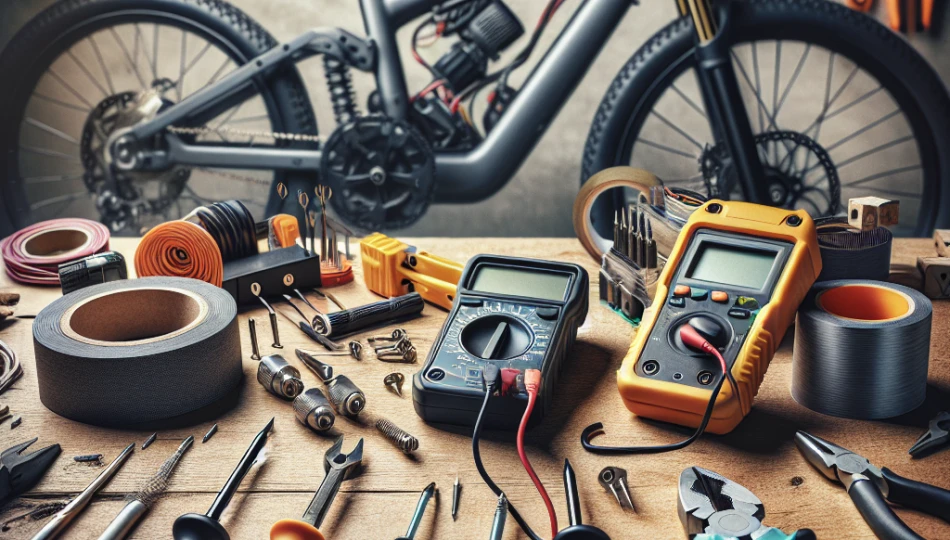
If you own an electric bike, it’s crucial to be equipped for maintenance and repairs. Electric bikes, or e-bikes, combine traditional cycling with electric assistance, providing a unique riding experience. However, like any vehicle, they may require repairs from time to time. Having the right tools on hand can save you money and time while ensuring your bike stays in top condition.
What tools are needed for electric bike repairs at home? The essential tools for electric bike repairs include a multi-tool, tire levers, a bike pump, a torque wrench, a chain tool, a multimeter, and a pedal wrench.
1. Multi-Tool
A multi-tool is an absolute must-have for any electric bike owner. This compact tool combines several essential functions into one handy device, making it convenient for on-the-go adjustments or repairs. Most multi-tools come with various wrenches and screwdrivers tailored specifically for bikes.
- The most common sizes often include hex wrenches (usually 2mm to 10mm).
- Flathead and Philips screwdrivers for adjustments on various components.
- Some models even include a spoke wrench and chain breaker.
Using a multi-tool allows you to quickly address issues such as loose components, misaligned handlebars, or even small adjustments to your brakes or gears. It’s smart to keep this tool in your bag or with your bike at all times to prepare for any unexpected issues mid-ride.
2. Tire Levers
Tire levers are essential for any maintenance related to your bike’s tires, and they are especially crucial when dealing with flat tires, a common issue for cyclists. Using tire levers simplifies the removal of tires from the rims without damaging either component.
- Typically made of durable plastic or metal, they are designed to fit between the tire and rim easily.
- You can often find lever sets with ergonomic grips for easier usage.
When you get a flat tire, a quick repair involves removing the tire to inspect the tube or replace it. Tire levers make this process much smoother, enabling you to pop the tires off with minimal effort. Keeping a pair of tire levers on hand ensures you can tackle flat tires promptly, allowing you to get back on the road quickly.
3. Bike Pump
Every electric bike owner should have a reliable bike pump. Keeping your tires properly inflated is essential for the bike’s performance and your safety. A bike pump allows for quick inflation and the ability to check air pressure regularly.
- Choose between a floor pump for at-home use and a portable hand pump for on-the-go inflation.
- A digital pressure gauge can be a valuable addition for precise inflation.
Regularly checking your tire pressure can prevent blowouts and enhance your riding efficiency. A well-inflated tire not only improves performance but also prolongs the life of the tires themselves. Having a bike pump ready ensures that you don’t get stuck with under-inflated tires that could compromise your ride.
4. Torque Wrench
A torque wrench is a tool used to apply a specific torque (or rotational force) to a fastener like nuts and bolts. E-bikes have various components that need to be tightened to a precise specification to avoid issues like structural damage or component failure.
- Important for sensitive parts, including the motor and battery mounts.
- Prevents over-tightening, which can strip screws or damage components.
With a torque wrench, you can ensure that all fasteners are tightened correctly according to manufacturer specifications. This can help you avoid any significant repairs that may arise from improper assembly. The ability to know that every component is securely put in place gives peace of mind while riding your e-bike.
5. Chain Tool
The chain tool is another vital instrument for e-bike maintenance. Chains can stretch, wear down, or break, which can happen due to regular usage or environmental conditions. A chain tool allows you to remove, replace, or repair your bike’s chain effectively.
- Ideal for adjusting chain length and removing damaged links.
- Usually compact, making it easy to carry on long rides.
Maintaining your bike chain is vital for the overall drivetrain performance. Regularly using a chain tool ensures that your chain doesn’t wear down other components like the cassette or derailleur, which can lead to expensive repairs. Carrying a chain tool on rides ensures you can always handle unexpected chain issues quickly.
6. Multimeter
A multimeter is a versatile electronic measurement tool that can be incredibly useful for electric bike owners. Given the electrical components within e-bikes, a multimeter can help diagnose electrical problems efficiently.
- Measures voltage, current, and resistance, allowing you to inspect the battery and motor connections.
- Great for monitoring battery health, ranging from voltage levels to identifying shorts or faulty connections.
Using a multimeter can save both time and potential hassle when troubleshooting issues like battery failures or lighting problems. For instance, if your bike’s motor isn’t functioning correctly, a quick voltage test can reveal whether there’s a power delivery issue. Understanding the readings will help you pinpoint the problem and determine if repairs or replacements are necessary.
7. Pedal Wrench
A pedal wrench is a specialized tool designed specifically for cycling that allows you to easily remove and install pedals. Pedals can become loose over time or require replacement due to wear and tear, making this tool invaluable for maintenance.
- Features a unique design that provides better leverage than standard wrenches.
- Commonly features a 15mm opening, which is the standard size for most bicycle pedals.
Having a dedicated pedal wrench can make the process of changing or adjusting your pedals straightforward. Changing pedals is often necessary, especially if you upgrade for better performance or comfort. A pedal wrench is a guarantee that this process will be smooth and quick.
Understanding Electric Bike Maintenance
Regular maintenance is key to prolonging the life of your electric bike, and it involves more than just knowing how to use the tools listed above. Understanding the routine maintenance checks and procedures is crucial for ensuring a safe and enjoyable riding experience.
Regular Checks
It’s important to perform regular checks on your e-bike to catch any potential issues before they become serious problems. Consider setting a routine that involves checking the following components:
- Tires: Before every ride, inspect the tires for wear and tear. Check for any punctures or embedded debris that could compromise their integrity. Ensure the tire pressure is where it should be for optimal performance.
- Brakes: Regularly check the brake pads for wear and ensure they provide enough grip. Squeezing the brakes before you ride can prevent any surprises mid-journey.
- Battery and Electrical Components: Look over the battery connections and wiring for any signs of wear or corrosion. Keep the contacts clean to ensure a strong connection.
Seasonal Maintenance
In addition to regular maintenance, consider seasonal checks, especially if you live in an area with drastic weather changes. For example, during winter, it is essential to inspect the bike for salt corrosion, which can occur if you ride in salty or snowy conditions. Similarly, after long rides in hot weather, check for overheating components or battery issues. Seasonal maintenance can prevent damage caused by extreme conditions.
Choosing the Right Tools
While the seven tools mentioned earlier are indispensable, it’s also important to understand how to choose the right tools for your specific bike type and riding style. For instance, some high-performance e-bikes may require specialized tools for certain tasks.
Specialized Tools for Performance Bikes
High-end electric bikes often come equipped with advanced features that might need specific tools for repairs or customizations. This could include tools to manage hydraulic disc brakes or specific torque wrench specifications for carbon fiber frames.
- Hydraulic Brake Tools: Specific tools might be needed to bleed hydraulic brakes due to their complexity compared to traditional brake systems.
- Carbon Fiber Repair Kits: If your bike frame has carbon elements, you might want a repair kit tailored for such materials, as traditional repair methods may not suffice.
Home Workshop Setup
Having a well-organized workspace can greatly enhance your repair experience. Consider setting up a designated area in your home where you can keep your tools handy and have space to work on your bike. A sturdy workbench, good lighting, and access to electrical outlets for tools like a multimeter are essential elements for an effective workspace.
Frequently Asked Questions
1. How often should I perform maintenance on my electric bike?
The frequency of maintenance largely depends on how often you ride and the conditions under which you ride. Generally, you should carry out a basic inspection before every ride and perform a more thorough check monthly. Seasonal checks are also recommended, especially regarding battery health and brakes.
2. Can I use regular bike tools on my electric bike?
While many tools, such as multi-tools and wrenches, are suitable for both standard and electric bikes, you should be cautious with tools designed for specific components. Tools for electric bike batteries and electrical systems may require specialized measurements or designs for safe and effective use.
3. What should I do if I experience electrical problems with my e-bike?
If you encounter electrical issues, first use your multimeter to check the battery and electrical components. Look for any loose connections or signs of corrosion. If the issue persists, you may need to consult with a qualified technician, as electrical repairs can be complex and require professional assistance.
4. Is it necessary to have a torque wrench for maintenance?
Yes, particularly for e-bikes. Many components require specific torque settings to ensure safety and integrity, especially those connected to the battery and motor. Over-tightening can cause damage, while under-tightening could lead to malfunction. A torque wrench helps eliminate guesswork.
5. How can I tell when my bike chain needs replacing?
You can measure chain wear with a chain checker tool. If your chain has stretched beyond the manufacturer’s specifications, it’s time to replace it. Other signs include skipping gears or noticeable rust and damage. Regular inspections will help catch these issues early.
6. What are the benefits of a well-maintained electric bike?
Regular maintenance enhances the bike’s performance, ensures rider safety, and prolongs the lifespan of components. A well-maintained e-bike provides a smoother ride and reduces the likelihood of costly repairs caused by neglect.
7. Can I perform all repairs myself at home?
While many repairs can be done at home, some advanced repairs, particularly those involving electrical systems or in-depth mechanical work, are best left to professionals. Knowing your limits can save you from making the situation worse.
Summing It Up
Owning an electric bike is a rewarding experience that offers both adventure and convenience. However, maintaining it requires the right tools and knowledge. The seven essential tools listed—multi-tool, tire levers, bike pump, torque wrench, chain tool, multimeter, and pedal wrench—are indispensable for effective DIY maintenance.
Understanding how to perform regular checks and establish a designated workspace further enhances your repair capabilities. Throughout this guide, we’ve emphasized the importance of regularly inspecting your bike, choosing the right tools for your bike type, and addressing any issues promptly. With the right approach, you can enjoy a safe, efficient, and reliable electric biking experience for years to come.