
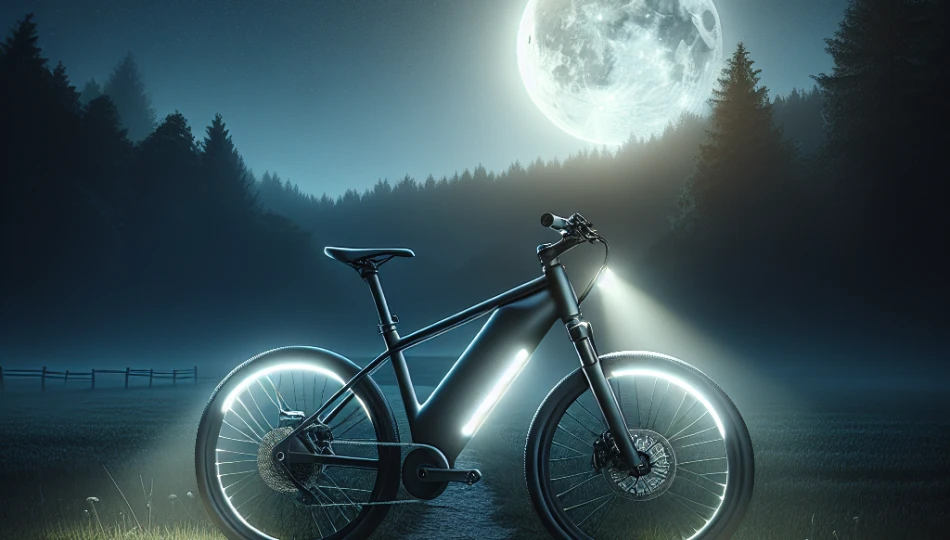
As the popularity of electric bikes continues to rise, so does the necessity for safe night-time riding. Whether commuting or enjoying a leisurely jaunt under the stars, the right lighting can dramatically enhance your visibility and safety on the road. But what are the best lights for night-time electric bike riding? The best lights are those that provide adequate brightness, are durable, have a long battery life, and offer various mounting options.
1. Front LED Bike Lights
Front LED bike lights are essential for any night-time cyclist. These lights illuminate the path ahead, allowing riders to see obstacles and avoid hazards effectively. Strong, focused beams can help distinguish between light and dark areas, making riding in low visibility a safer experience.
Choosing a front LED light with a brightness of at least 500 lumens is advisable for optimal visibility. Additionally, look for models that offer different brightness settings—high, medium, and flashing modes—allowing users to adjust the intensity based on their surroundings.
- Durability: Many front LED lights are waterproof, making them suitable for various weather conditions.
- Ease of Installation: Most come with easy-to-mount brackets that can be attached quickly without tools.
- Rechargeable Options: Selecting a rechargeable light can save money on batteries and encourage more frequent use.
2. Rear Safety Lights
Rear safety lights are critical for alerting drivers and other cyclists of your presence. These lights, typically mounted on the back of the bike, can either be steady or flashing to increase visibility. The function of a rear light is not only to provide a visual cue for those behind you but also to enhance overall road safety.
Look for rear lights that offer a 180-degree visibility angle, ensuring that you can be seen from all directions. Many models are equipped with multiple light modes, including steady, flashing, and pulse. These varying settings allow for adaptability based on road conditions and personal preferences.
- Different Mounting Options: Many rear lights can be attached to the seat post, bag, or helmet for versatility.
- Battery Life: Choose models with long-lasting batteries. Some offer up to 100 hours of usage on a single charge.
- Visibility in Daylight: Some rear lights are designed to be bright enough to enhance visibility even during daylight hours.
3. Bicycle Helmet Lights
Helmet lights are an innovative solution for cyclists who want to improve their visibility and field of vision while riding. Attachable to the top or back of the helmet, these lights not only increase visibility but also allow riders to direct light where they look, enhancing spatial awareness.
When selecting helmet lights, prioritize those that are lightweight and do not obstruct your vision or aerodynamics. They are exceptionally handy in the dark, especially when navigating through unlit trails or urban environments. Helmet lights can be especially beneficial for adventurous riders who tackle varied terrains.
- Versatile Visibility: Helmet lights can illuminate the path ahead as you turn your head.
- Adjustable Brightness: Many helmet lights offer multiple brightness settings and modes, from a strong beam for dark trails to low-light for conserving battery power.
- Lightweight Design: Choose models specifically designed for helmets to ensure they are adequately balanced and comfortable to wear.
4. Reflective Gear and Stickers
While not lights per se, reflective gear and stickers play an essential role in night-time biking safety. These accessories enhance your visibility without relying solely on powered lights. Reflective gear includes vests, jackets, or panniers that reflect light from cars and streetlamps, alerting drivers to your presence.
Applying reflective stickers to your bike frame, helmet, and bags can as well significantly increase visibility. Using these stickers is a simple way to boost safety without needing to invest in additional lighting systems.
- Cost-Effective: Reflective gear is often less expensive than high-quality lights.
- Lightweight: Unlike many lights, reflective pieces do not add much weight to your ride.
- Enhanced Visibility: They reflect existing lights, which can be especially useful in urban environments where cars and streetlights are prevalent.
5. Bike Wheel Lights
Bike wheel lights are a fun and effective way to increase your visibility while riding at night. These lights attach to the spokes of the wheels and create a glowing effect when the wheels turn, making them highly visible from the sides and indicating movement.
Wheel lights come as LED strips or individual lights that can be mounted on each spoke. They are particularly engaging for recreational cyclists, adding a unique flair while enhancing safety in low-light conditions. Riders often find them useful for making a statement as well as for preventive measures against accidents.
- Visibility from All Angles: Wheel lights can be seen from a 360-degree radius, making you noticeable from any direction.
- Add Fun to Your Ride: These lights can be colorful and entertaining, appealing especially to younger riders.
- Easy to Install: Most wheel lights are straightforward to install, requiring no special tools or expertise.
6. Handlebar Lights
Handlebar lights serve a dual purpose: they illuminate the path ahead and make the bike more visible to other road users. These lights are essential for urban cyclists navigating through traffic, as they help signal the cyclist’s intentions while enhancing visibility to oncoming vehicles.
When selecting handlebar lights, consider factors such as brightness, beam angle, and ease of installation. A good handlebar light should allow you to see farther down the road while also being adjustable to avoid blinding oncoming traffic.
- Variety of Modes: Many handlebar lights feature several modes, such as steady or flashing, allowing cyclists to switch settings based on their surroundings.
- Synchronization: Some models can sync with other bike lights for a coordinated lighting effect.
- Sturdy Design: Handlebar lights should be durable enough to withstand vibrations and impacts from uneven terrain.
7. Smart Bike Lights
Smart bike lights represent a significant innovation in cycling safety technology. These lights often include features such as automatic brightness adjustment based on ambient light, turn signals, and even integrated GPS. They provide cyclists with unparalleled safety and convenience while on the road.
Smart lights can significantly enhance visibility while also ensuring that the cyclist remains aware of their surroundings. Some models connect to smartphone apps for additional functionalities, such as tracking rides and real-time notifications for low battery.
- Integrated Features: Look for models that have turn signal capabilities to indicate your next move clearly.
- Automatic Adjustments: Smart lights that adjust based on surroundings ensure optimal visibility at all times.
- App Connectivity: Options that connect to smartphone apps can provide greater control and awareness of your cycling environment.
Choosing the Right Light for Your Riding Style
When it comes to selecting the best lights for night-time electric bike riding, it’s essential to consider different riding styles and the environments in which you’ll be cycling. Depending on whether you’re commuting, leisurely riding, or mountain biking, your lighting needs may vary significantly. In this section, we’ll explore how to choose the right lights based on these factors.
Commuting
If you’re using your electric bike for daily commutes, the focus should be on visibility and reliability. Front and rear LED lights are non-negotiable, as they help you be seen by vehicles on busy streets. For commuters, a good combination of a strong front light (at least 500 lumens) and a rear light with a wide visibility angle will provide safety in urban environments.
Moreover, consider smart bike lights that adjust based on the ambient lighting conditions. This means when you’re riding in well-lit streets, the light will automatically lower its brightness, saving battery life. Additionally, reflective gear can complement your lights and enhance visibility. Ensuring that your lights are rechargeable will save you from the hassles of battery replacements and allow you to maintain your lights effortlessly.
Leisure Riding
For those who enjoy leisurely evening rides, the lighting doesn’t have to be as robust as commuting lights since the pace is usually slower, and you might be exploring quieter paths. However, it’s still important to have adequate illumination.
A combination of a moderately bright front light, around 200 to 300 lumens, and some wheel lights can create a soothing ambiance while ensuring your safety. Since leisure rides may sometimes take you off the beaten path, consider helmet lights to enable you to see obstacles or route changes clearly. Furthermore, adding reflective stickers to your bike adds a fun aesthetic while enhancing spot visibility in dim light.
Mountain Biking
Mountain biking at night presents additional challenges due to uneven terrain and potential obstacles. Here, high-lumen front lights (800 lumens or more) are essential for illuminating trails, revealing rocks, roots, and other hazards. Many mountain bikers prefer helmet lights in conjunction with handlebar lights for a comprehensive view of the terrain.
When investing in lights for mountain biking, look for models that feature a wide beam pattern to allow you to see both near and far. The durability of lights is paramount in this case; they should withstand bumps and impacts without failure. Moreover, having a battery life that can last for several hours is crucial, as night rides can often stretch longer than expected. Combining these lights with reflective gear will ensure that you remain visible from behind, providing complete coverage on your ride.
Frequently Asked Questions
1. How bright should my bike lights be for safe nighttime riding?
The brightness of bike lights is measured in lumens, and for safe night riding, a minimum of 500 lumens for front lights is generally recommended. For rear lights, brightness is just as important; they should emit enough light to be visible from significant distances. Depending on your environment, higher lumens may be necessary. Dark, unlit areas may require lights with 600-1000 lumens to ensure safe navigation.
2. Are more expensive lights worth the investment?
Higher-priced bike lights tend to offer improved features, durability, and better brightness. While budget lights may work for occasional rides, investing in quality lights often leads to enhanced safety and reliability. Features such as longer battery life, water resistance, and multiple modes can maximize your riding experience and keep you safer over time. If you ride regularly at night, spending more on reliable lights is advisable.
3. How often should I replace my bike lights?
Your bike lights’ lifespan can depend on the quality of the components and usage. Typically, high-quality LED lights can last for many years, provided they’re well taken care of. Regularly check for any signs of wear or damage. If the brightness diminishes significantly or if there’s a malfunction in charging, it might be time to consider a replacement. Always have a backup plan by carrying spare batteries or a secondary light to ensure safety during longer rides.
4. Can I use regular flashlights as bike lights?
Using regular flashlights as bike lights can be done, but they may not provide the same level of visibility or functions specifically designed for biking. Bike lights often have features like quick-mount systems, water-resistance, and optimized beam patterns suited for road use. Flashlights may not provide the same broad illumination or the spectrum of light necessary for safe cycling, particularly at high speeds.
5. What are the best mounting options for bike lights?
Bike lights come with various mounting options, including handlebar mounts, helmet mounts, and rear seat post mounts. Handlebar mounts are excellent for front lights as they provide direct illumination of the path ahead, while helmet mounts allow for directional lighting where your head turns. Rear lights are typically mounted on seat posts or panniers. Some lights come with quick-release mechanisms for easy attachment and removal, which is a convenient feature if you park your bike in areas where theft is a concern.
6. Are there any alternatives to traditional bike lights?
Yes, several alternatives can enhance your visibility at night without relying solely on traditional bike lights. Reflective stickers and clothing can make a substantial difference by reflecting ambient light, making you noticeable to drivers. Additionally, bike wheel lights or LED strips can provide vibrant visibility and aesthetic appeal while enhancing your safety. Smart lights also offer innovative features that can supplement traditional lights effectively.
7. Is it legal to use certain types of lights on bicycles?
The legality of light usage on bicycles can vary by region. However, most places require at least one front light and one rear light for night riding. It’s best to check your local regulations as they may stipulate specific brightness requirements or define the types and colors of lights acceptable for use. Ensuring compliance with these laws helps maintain safety standards and avoids potential fines or issues with law enforcement.
Summing It Up
Lighting is an essential aspect of night-time electric bike riding that directly influences safety. Choosing the right lights, whether front or rear, helmet or handlebar, can make a considerable difference in visibility for you and awareness of your presence among other road users. Consider your riding style and typical environments when selecting the ideal lighting solutions.
Incorporating additional features such as reflectors, smart lights, and durable, waterproof options can enhance your riding experience while ensuring you stay safe on the road. By investing in quality biking lights and reflective gear, you can enjoy your night rides with peace of mind, knowing you are visible and safe. Always examine your lighting setup and be prepared, as it not only enhances your enjoyment of biking but significantly reduces the risks associated with nighttime cycling. Ride safe and illuminated!