
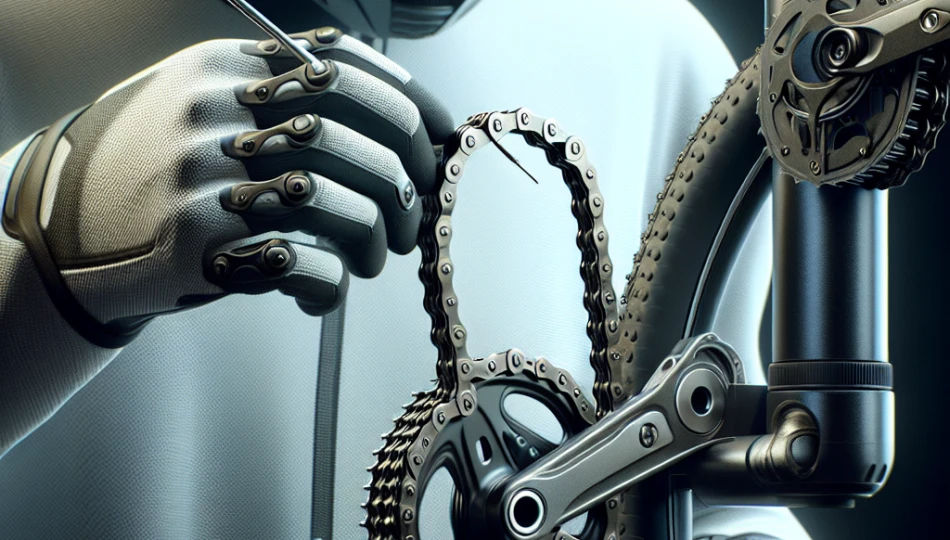
Electric bikes (e-bikes) have revolutionized the way we commute and explore our surroundings, offering a blend of traditional cycling with the added benefits of electric assistance. As with any bicycle, regular maintenance is crucial for ensuring optimal performance and longevity. One of the key components of an e-bike is the chain, which plays a vital role in the bike’s overall efficiency and ride quality. So, how often should you replace an electric bike chain? Generally, it’s recommended to replace the chain every 1,000 to 2,000 miles, but several factors influence this interval.
1. Riding Conditions
The environment in which you ride your e-bike can greatly impact how quickly the chain wears out. If you frequently ride in dirty, wet, or muddy conditions, the life of your chain can shorten significantly. In harsh environments, grime and moisture can accelerate rusting and degradation.
- Off-Road Riding: If you’re taking your e-bike onto dirt trails or through gravel paths, the increased friction and accumulation of debris can wear the chain faster.
- Urban Commuting: Riding in cities often involves stop-and-go traffic and navigating potholes, which can add stress to the chain.
In comparison, if you primarily cycle in clean, dry conditions on paved paths, you can expect your chain to last longer. Regular cleaning and lube can also mitigate wear caused by the environment.
2. Frequency of Use
How often you ride your e-bike plays a fundamental role in determining chain replacement intervals. Daily commuters may log many miles per week, calling for more frequent inspections and potential replacements than casual riders. For example:
- Daily Riders: If you ride your e-bike to work every day, you may reach the 1,000 to 2,000-mile mark within a few months.
- Causal Riders: If you’re an occasional weekend rider, it could take years to reach that mileage.
Keeping a travel log can help monitor your usage and establish a more personalized maintenance schedule, as well as pinpoint when your chain may need replacing sooner than expected.
3. Quality of the Chain
The type and quality of your e-bike chain also play a significant role in longevity and performance. Chains designed specifically for e-bikes tend to be more durable due to their construction and materials. Here are some factors to consider:
- Material: Higher-grade chains made from stainless steel or those coated with protective materials resist rust and wear better than lower-quality options.
- Brand and Design: Well-known brands often offer superior warranties along with tested and proven designs that stand up to wear from e-bike motors.
Investing in a quality chain may mean a higher upfront cost, but it will likely save you money in the long run due to reduced frequency of replacements.
4. Lubrication and Maintenance
Regular maintenance, including proper lubrication of the chain, plays a pivotal role in extending its lifespan. A well-maintained chain is less susceptible to wear from friction and dirt accumulation. Here’s how you can keep your chain in optimal condition:
- Cleaning: Wipe the chain clean with a rag after each ride to remove debris and dirt. This prevents contamination and rust.
- Lubrication: Apply appropriate chain lube every few rides, ensuring it’s well-distributed across the links.
- Inspection: Regularly check for rust, stiff links, and any potential wear signs to catch issues early.
Implementing an effective routine can significantly extend the life of your e-bike chain and improve the overall performance of your bike.
5. Signs of Wear
Recognizing the signs of wear can help you determine when it’s time to replace your e-bike chain. If left unchecked, a worn chain can lead to further damage, potentially affecting the gears and drivetrain. Key indicators include:
- Chain Stretch: A common phenomenon where the length of the chain increases, which can be measured using a chain checker tool.
- Noisy Performance: If your bike starts to sound noisier, it may indicate that the chain is grinding against the gears.
- Skipping Gears: Frequent skipping or jumping when shifting can be a sign of chain wear or misalignment.
Catching these issues early can save you the hassle and expense of broader repairs, emphasizing the importance of regular inspections for any avid e-bike rider.
Understanding Chain Compatibility
When it comes to replacing your e-bike chain, compatibility with your specific model is crucial. Not all chains are created equal, and choosing the right one can significantly affect your bike’s performance and longevity.
Each e-bike has different drivetrain specifications, such as the number of speeds, the type of gears, and chain widths. It is essential to consult your e-bike manufacturer’s guidelines or a bicycle mechanic to ascertain the right chain. For instance, an 8-speed e-bike chain will differ in width and design from a 10-speed chain, which can lead to shifting problems and increased wear if mismatched.
Additionally, some e-bike chains are designed with unique features that cater to electric bike specifications, such as reinforced links and a specific pitch suited for higher torque from the electric motor. Thorough research and possibly reviewing user manuals can guide you in selecting a chain that aligns with your e-bike’s mechanics.
Chain Replacement Process
Replacing your e-bike chain may seem daunting, but with the right tools and instructions, it can be a straightforward task. Firstly, you will need a chain tool, which allows for efficient removal and installation of the chain. Here’s a step-by-step breakdown:
- Remove the Old Chain: Using the chain tool, push the pin out to separate the links of the old chain. Be cautious to avoid damaging the other components of the drivetrain.
- Prepare the New Chain: Before installing, lay out the new chain beside the old one for comparison to ensure you have the correct length. If needed, use the chain tool to adjust the new chain length.
- Install the New Chain: Guide the new chain through the front and rear derailleur, ensuring it sits correctly on the chainrings and cassette. Use the chain tool to reconnect the links securely.
- Test Shifting: Once installed, manually shift through the gears to ensure everything is working smoothly and adjust as necessary.
By following these steps, you can ensure that your e-bike chain is replaced properly, contributing to a smoother and more efficient cycling experience.
Investing in Tools for Chain Maintenance
Keeping an electric bike chain in excellent condition requires not only diligence in practice but also the right tools. Investing in quality maintenance tools can save time and money in the long run.
Some essential tools include a chain cleaning kit, which often consists of a cleaning device, chain degreaser, and brushes dedicated to maintaining your chain. A good chain checker tool can also be invaluable. It measures the chain’s wear and stretch, helping you monitor when it’s time for a replacement without needing to guess or rely solely on miles ridden.
Moreover, a portable tool kit that includes a multi-tool can aid in making adjustments on the go, allowing cyclists to address minor issues promptly before they escalate. Thus, making the investment in proper tools not only facilitates a better maintenance routine but enhances the overall cycling experience.
Frequently Asked Questions
1. How do I know when my e-bike chain is stretched?
A stretched chain often exhibits symptoms like poor shifting performance and noisy operation. You can use a chain checker tool, which simply measures the wear on the chain. If the tool indicates that your chain has stretched beyond its acceptable limit (usually beyond 0.5% to 0.75%), it’s time to replace it.
2. Can I clean my e-bike chain with household products?
While you could use some household products for cleaning, it’s highly advisable to use degreasers and lubricants specifically designed for bike chains. Household products might leave residues that can attract dirt and grime, leading to quicker wear of your chain and other drivetrain components.
3. How does using an e-bike affect chain wear compared to traditional bikes?
E-bikes tend to wear chains more quickly due to the increased torque provided by the electric motor. The additional power means that the drivetrain components face greater stress, which can accelerate wear. This necessitates more frequent inspections and potentially more replacements compared to traditional bicycles, especially if you regularly use the electric assistance feature.
4. Is it safe to ride with a worn chain?
Riding with a worn chain is not advisable. A stretched or damaged chain can cause inefficient shifting, skipping gears, and can even lead to damaging the rear derailleur or cassette. In extreme cases, it can result in a complete mechanical failure, leading to accidents. Regular maintenance and timely replacements are key to safe riding.
5. Can I replace just a section of my e-bike chain?
While it’s technically possible to replace only a section of the chain, it’s generally not recommended. This is because mismatched lengths can lead to unequal wear patterns and poor shifting performance. Additionally, a new segment may not mesh well with an old section, leading to further complications. It’s best to replace the entire chain for optimum performance.
6. How do I store my e-bike to prolong the life of the chain?
Proper storage plays an important role in preserving the integrity of your e-bike chain. If possible, store your e-bike in a dry, climate-controlled environment. If you’ll be storing it for an extended period, consider applying a light coat of lubricant to prevent rust and degradation. Also, consider hanging the bike or placing it on a stand to avoid having the weight rest directly on the tires, which can cause damage over time.
Summing It Up
Understanding how often to replace your electric bike chain is essential for maintaining the bike’s performance and longevity. Factors such as riding conditions, frequency of use, chain quality, maintenance practices, and signs of wear all play a significant role in determining the lifespan of your chain.
By regularly inspecting and taking preventive maintenance measures, you can ensure your e-bike operates efficiently and you get the most enjoyment out of your rides. Remember that investing in quality replacement parts and tools will not only enhance your riding experience but can also save you money on repairs in the long run.
Ultimately, being proactive about your e-bike chain care is a wise investment, allowing for safer, more enjoyable rides while extending the life of your bike’s drivetrain components.