
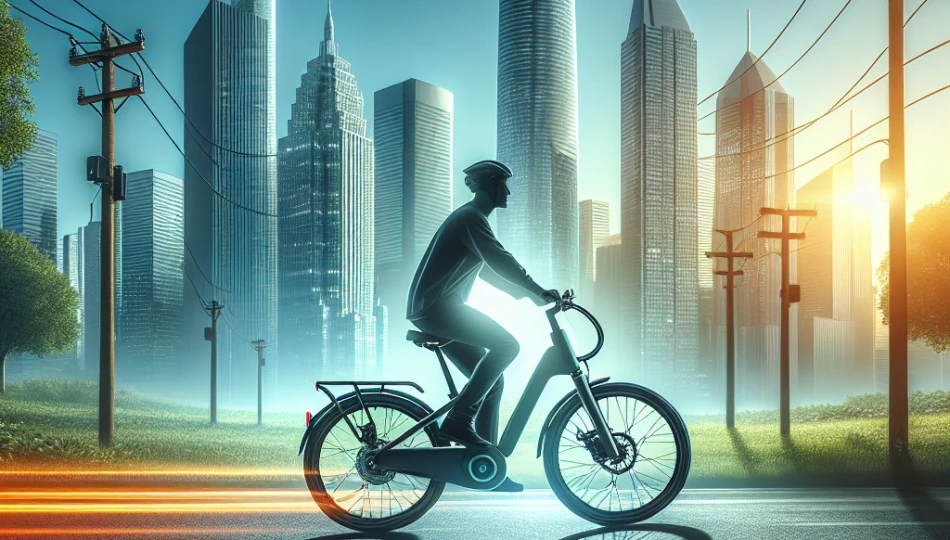
In recent years, electric bikes have surged in popularity, transforming the way we think about transportation and recreation. Their unique blend of convenience, sustainability, and health benefits appeals to a wide range of individuals, from commuters to outdoor enthusiasts. But what makes electric bikes so popular? The answer is multi-faceted, as they offer a variety of advantages that meet the evolving needs of modern society.
1. Eco-Friendly Transportation
One of the foremost reasons for the rising popularity of electric bikes is their eco-friendliness. With increasing concerns about climate change and pollution, more people are seeking greener modes of transportation. Electric bikes produce zero emissions while in use, which significantly reduces their carbon footprint compared to conventional vehicles.
Moreover, electric bikes are energy-efficient. They consume less power compared to cars, making them a sustainable alternative for short-distance travel. Many electric bike models use advanced battery technology that maximizes efficiency and minimizes environmental impact. Overall, by choosing to ride an e-bike, individuals contribute to cleaner air and help combat climate change.
- Zero emissions while riding.
- Less energy consumption compared to cars.
- Supports a sustainable lifestyle.
2. Cost-Effective Commuting
The cost of owning a car can be exorbitant, factoring in fuel, insurance, maintenance, and parking fees. Electric bikes present a significantly more affordable option. When you switch to an electric bike, you can save money in a variety of ways:
- Lower purchase price: Many e-bikes are less expensive than economical cars.
- Minimal maintenance costs: Electric bikes require less maintenance than traditional vehicles.
- No fuel costs: Electric bikes run on rechargeable batteries, which are cheaper than gasoline.
Additionally, e-bike riders often enjoy reduced transportation costs as they avoid expenses associated with owning a car, such as tolls and parking fees. Commuting with an electric bike can translate into significant savings, especially over time, making it an attractive option in urban environments.
3. Health Benefits
Another compelling reason for the popularity of electric bikes is the health benefits they offer. While they provide a boost from the electric motor, e-bikes still require pedaling. This means riders enjoy physical exercise without overexerting themselves. Studies have shown that cycling can lead to improved cardiovascular health, enhanced muscle strength, and increased stamina.
Moreover, e-bikes can help people of all fitness levels engage in physical activity. Those who may find traditional biking too strenuous can opt for an electric bike, making it accessible for older adults or individuals recovering from injury. Research indicates that regular cycling, even with assistance, can contribute to weight loss and improved mental health.
- Aids cardiovascular fitness.
- Supports weight management benefits.
- Boosts mental health through outdoor activity.
4. Increased Accessibility
Electric bikes have broadened the horizons of cycling by making it accessible to more people. Traditionally, cycling has not been an option for everyone, especially those with physical limitations, commutes involving steep hills, or long distances. However, e-bikes come powered with battery assistance, enabling a wider demographic to participate in biking.
This increased accessibility is particularly beneficial for urban dwellers seeking alternatives to public transport or driving. Many cities are investing in bike lanes and infrastructure to support e-bikes, making it easier to navigate crowded areas. As such, electric bikes provide not just mobility but also an opportunity for improved quality of life.
- Open cycling to seniors and those with limited mobility.
- Facilitates longer commutes without physical strain.
- Encourages more people to choose cycling over driving.
5. Convenience and Versatility
The convenience of electric bikes cannot be overstated. With their lightweight design and ease of use, e-bikes are ideal for a variety of situations, whether commuting to work, running errands, or enjoying a leisurely ride. Many models are foldable or compact, making them easy to store and transport.
E-bikes also eliminate many of the challenges associated with traditional cycling. Riders can easily tackle challenging terrains and long distances without breaking a sweat. Features such as pedal-assist modes allow riders to choose their level of exertion, adapting the bike to their preferences and fitness levels. This versatility makes electric bikes perfect for individuals with busy lifestyles.
- Lightweight and easy to store.
- Adaptable power modes for varying exertion levels.
- Convenient for commuting and leisure.
6. Reduced Traffic Congestion
In urban areas, traffic congestion is a growing problem, leading to wasted time and energy. Electric bikes offer a solution to this issue by providing a compact alternative for short-distance commuting. E-bikes can maneuver through traffic more easily than cars, allowing riders to reach their destinations faster.
Additionally, cities that embrace e-bikes often see a reduction in the number of cars on the roads, leading to less congestion overall. This can result in quicker travel times for all, not just for cyclists. As more people adopt electric bikes as their primary mode of transportation, urban areas can expect smoother traffic flow and improved overall mobility.
- Allows for quick travel through congested areas.
- Encourages less reliance on cars.
- Enhances overall urban mobility.
7. Technological Advancements
The final reason for the popularity of electric bikes is the continuous advancement in technology. Modern e-bikes are equipped with features that enhance the riding experience, including integrated GPS, smartphone connectivity, and advanced safety systems. These innovations not only make electric biking more enjoyable but also align with the tech-savvy lifestyle of many consumers today.
Battery life has also improved significantly, with many e-bikes now offering longer ranges that can handle longer journeys and commutes without the need for frequent recharging. The incorporation of smart technology means that riders can monitor their journeys, track fitness metrics, and even locate their bikes in case of theft.
- Modern features enhance riding experience.
- Improved battery technology for longer rides.
- Integration with smart devices for fitness tracking.
Exploring the Types of Electric Bikes
As the popularity of electric bikes continues to rise, different types designed to cater to various needs and preferences have emerged. Understanding these options can help potential buyers choose the e-bike that best suits their lifestyle.
City Electric Bikes
City electric bikes, also known as commuter e-bikes, are designed specifically for urban environments. They typically feature comfortable seating, upright handlebars, and accessories such as racks and fenders to accommodate city riding requirements. Many models come with integrated lights for safety and convenience during night rides. These bikes are optimized for short rides, making them ideal for commuting to work or running errands.
The lightweight nature of city e-bikes allows for agile navigation through crowded streets, while their battery-assisted motors help riders tackle the urban landscape with ease. With increasing bike lane infrastructure in many cities, commuters can enjoy efficient travel while reducing traffic congestion and pollution.
Mountain Electric Bikes
In contrast to city e-bikes, mountain electric bikes are built to handle rugged terrains and adventurous trails. These bikes come equipped with robust tires, advanced suspension systems, and powerful motors designed to tackle steeper hills and rough surfaces. Mountain e-bikes are particularly popular among outdoor enthusiasts seeking to extend their riding capabilities.
Many mountain e-bikes also feature trail and hill modes, allowing riders to adjust the motor’s output based on terrain difficulty. This not only aids in managing steep ascents but also enhances overall rider control on rougher paths. With the help of an e-bike, riders can enjoy longer excursions and explore terrains that might be daunting on traditional bikes.
Folding Electric Bikes
Folding electric bikes have gained traction among city dwellers with limited storage space. They offer a practical solution for urban commutes, as their compact design allows riders to fold them up and store them easily at home, in offices, or on public transport. Folding e-bikes typically weigh less than standard e-bikes, making them highly portable.
When purchasing a folding electric bike, it’s important to consider the folding mechanism, weight, and overall size once folded. Despite their compact form, many models still provide robust performance, making them an excellent choice for users seeking convenience without compromising on efficiency.
Benefits of Using Electric Bikes for the Environment
Beyond their individual advantages, electric bikes collectively contribute positively to the environment. The increase in e-bike usage can have a transformative impact on urban landscapes and overall energy consumption.
For starters, a shift from cars to electric bikes leads to reduced traffic congestion, which directly lowers emissions. Less idling traffic means decreased fuel consumption and cleaner air. Additionally, as cities implement more bike-sharing programs and favorable cycling infrastructure, neighborhoods can expect improved aesthetics and safer streets. Having dedicated bike lanes encourages more people to opt for cycling over driving, ultimately fostering a healthier urban ecosystem.
Moreover, electric bikes are typically manufactured using sustainable materials and manufacturing practices, further enhancing their green credentials. As the industry grows, many companies are prioritizing eco-friendly production methods, including recycling materials or sourcing batteries from manufacturers focused on remanufacturing and recycling technologies.
Frequently Asked Questions
What is the average range of an electric bike?
The range of an electric bike varies considerably based on several factors, including battery capacity, terrain, rider weight, and riding style. Generally, most e-bikes can travel between 20 to 60 miles on a single charge. Higher-end models may even provide ranges of 70 miles or more. It’s important for riders to assess their commuting or recreational needs to select an e-bike that meets their expected range.
Are electric bikes heavy?
Electric bikes tend to be heavier than traditional bicycles due to their added components, such as the battery and electric motor. On average, e-bikes weigh between 40 to 70 pounds, depending on their design and the materials used. However, advancements in technology have led to lighter materials being used in the construction of e-bikes, enabling easier handling. Riders should consider the weight when selecting an e-bike, especially if they plan on carrying it or transporting it frequently.
Do I need a specific license to ride an electric bike?
In most areas, riders do not need a special license or registration to operate electric bikes. However, laws can vary by region. Some places categorize e-bikes based on their speed and motor output, with specific rules surrounding each category. Riders should familiarize themselves with local regulations to ensure they adhere to any imposed restrictions and safely enjoy their biking experience.
How long does it take to charge an electric bike battery?
The charging time for an electric bike battery can range from 3 to 8 hours, depending on the battery’s size and the charger used. Most standard e-bike batteries take around 4-6 hours to fully charge. However, higher-end models may provide quicker charging capabilities. Riders should consult their e-bike’s user manual for specific charging recommendations to optimize battery life.
Are electric bikes suitable for all weather conditions?
Electric bikes can be suitable for various weather conditions, but riders should exercise caution in extreme weather. Many e-bikes come equipped with weather-resistant features, enabling operation during light rain or adverse conditions. However, rain can affect braking efficiency, and icy roads may pose a risk. Riders are encouraged to invest in proper gear and accessories to ride safely in poor weather and should always prioritize their safety and comfort.
Can I ride an electric bike without using the motor?
Yes, riders can choose to pedal an electric bike without the assistance of the motor. Most e-bikes feature a setting that allows riders to switch off the motor entirely, transforming the bike into a traditional cycle. This feature is beneficial for individuals who want to incorporate more physical exertion into their rides or conserve battery life for later use.
Summing It Up
Electric bikes have evolved from a niche market to mainstream transportation, finding a place in the daily routines of countless individuals. Their eco-friendliness, cost-effectiveness, health benefits, convenience, and versatility make them an appealing choice for various lifestyles. As technology continues to advance and infrastructure evolves, the popularity of electric bikes is likely to grow further.
Ultimately, the surge in electric bike usage offers a multifaceted solution to urban challenges, including traffic congestion and pollution, while promoting an active lifestyle. Whether commuting to work, biking through city streets, or enjoying off-road adventures, electric bikes are proving to be a sustainable and enjoyable alternative to traditional forms of transportation.