
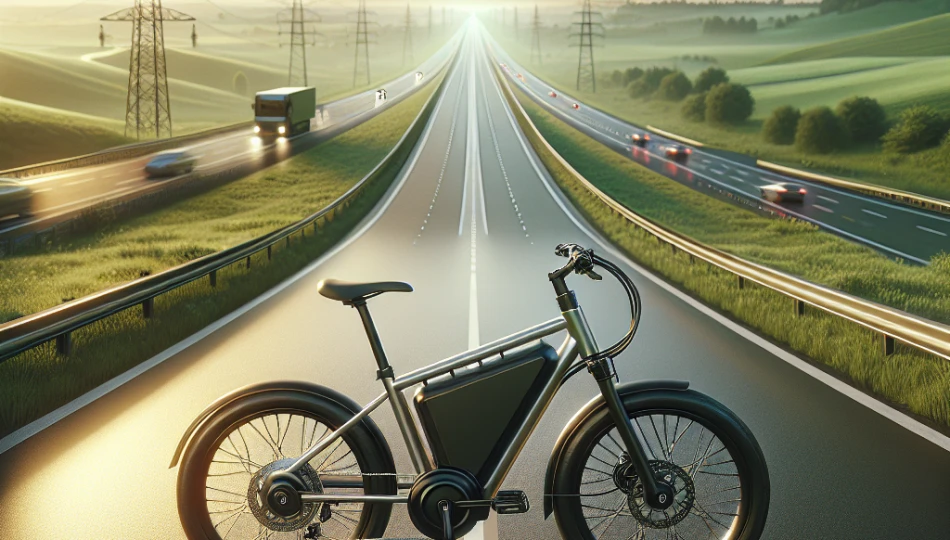
As the popularity of electric bikes continues to surge, more riders are interested in understanding where they can legally ride these efficient modes of transportation. The question arises: Are electric bikes allowed on highways? The answer is that it varies by location. In many places, electric bikes are not permitted on highways, especially those that accommodate high-speed traffic. Laws can be quite different depending on the state, country, or specific highway regulations. In this article, we will explore seven important facts to help clarify the rules and guidelines regarding electric bikes on highways.
1. Variability in Local Laws
The regulations concerning electric bikes and their usage on highways can change dramatically from one region to another. Each state, and sometimes even cities within the same state, have their own laws governing where electric bikes can be ridden.
- Some states have specific laws allowing electric bikes on certain types of roadways.
- Others completely prohibit electric bike usage on highways that are designed for motor vehicle traffic.
- Many areas have designated bike lanes or paths that allow for safe riding away from fast-moving vehicles.
It’s essential for electric bike riders to familiarize themselves with local legislation. For example, in California, electric bikes are categorized into three classes, each with different rules regarding usage in public spaces and on highways, compared to states like Florida, where such classifications may not apply. Riders should consult their state’s transportation or motor vehicle department’s website for detailed rules.
2. Classification of Electric Bikes
Understanding the classification system for electric bikes is crucial in determining where they can be used. Electric bikes are typically classified into three main categories:
- Class 1: Pedal-assist bikes that provide assistance only when the rider is pedaling and cease assistance at 20 mph.
- Class 2: Throttle-assisted bikes that can be powered without pedaling, with a maximum speed of 20 mph.
- Class 3: Pedal-assist bikes that provide assistance up to 28 mph.
These classifications affect whether riders can access certain roadways. For instance, Class 3 electric bikes often face stricter restrictions and may be prohibited from pedestrian paths and some bike lanes. Understanding these categories is crucial for riders to ensure they are abiding by local laws and to avoid potential fines or accidents.
3. Designated Bike Lanes and Paths
In many urban and suburban areas, designated bike lanes and paths provide safer alternatives to highways for electric bike riders. These lanes are designed specifically for cyclists, allowing them to ride away from high-speed traffic.
- These lanes often connect to parks, recreation areas, and commercial districts, enhancing the riding experience.
- Law enforcement generally encourages the use of these bike lanes for safety and to reduce the risks faced by cyclists on busy highways.
Riders should always prioritize using these paths whenever available, both for their safety and because it reduces congestion on regular roadways. In some cities, infrastructure improvements are underway to create more bike-friendly routes, further benefiting electric bike users.
4. Safety Concerns
One of the primary reasons why electric bikes are often prohibited on highways is safety. High-speed roads are designed for motor vehicles and cater to their specific dynamics. Electric bikes, traveling at lower speeds than cars, can become a hazard on such roads.
- Differences in speed create potential risks for collisions, not just for riders but also for motorists.
- Electric bike riders are more vulnerable due to their smaller size and less protective gear compared to larger vehicles.
Moreover, highway conditions can be unpredictable, with fast-moving vehicles, limited visibility, and fewer places to pull over in case of an emergency. These factors make riding on highways significantly more dangerous for electric bike users. Riders should also be aware of their skill level and experience—if they’re not comfortable riding in mixed traffic, they should opt for safer routes.
5. Environmental Considerations
Electric bikes are often promoted for their environmental benefits, and understanding how this interacts with travel on highways is pertinent. Highways can be environmental hotspots, contributing to air pollution and habitat disruption. By using electric bikes on designated paths instead, riders can help mitigate these impacts.
- Riding electric bikes reduces the reliance on fossil fuels for short commutes and errands, making it a greener choice compared to cars.
- When more people choose electric bikes over automobiles, there is a significant reduction in traffic congestion and emissions.
Policies promoting cycling infrastructure also lead to more awareness about public transport and shared mobility approaches which can dramatically affect urban emissions.
Incorporating bike pathways not only serves the electric bike community but also contributes positively to environmental sustainability efforts overall.
6. Insurance and Liability Issues
When it comes to riding electric bikes on highways, insurance and liability can pose significant concerns. Unlike traditional bicycles, electric bikes may require specific insurance depending on the motor output and speed capabilities.
- In some regions, riders may be required to have insurance coverage before they can legally operate an electric bike.
- If an accident occurs on a highway, insurance claims can become complicated, especially if riding in prohibited areas.
Understanding insurance requirements can safeguard electric bike riders from unexpected financial burdens. It’s advisable for riders to check local laws regarding insurance and ensure they have adequate coverage in case of accidents, especially on high-risk routes like highways. Always prepare for the possibility of liability in case of collisions, which could involve motor vehicles or other cyclists.
7. Recommendations for Electric Bike Riders
Given the complexities surrounding electric bike usage on highways, here are some recommendations for riders to ensure a safer and more compliant riding experience:
- Always check local laws regarding electric bike usage, including any specific restrictions on highways.
- Consider using bike lanes or trails that are specifically designated for cyclists.
- Utilize safety gear, such as helmets, lights, and reflective clothing, especially when riding during low visibility conditions.
- Engage with fellow riders through local biking communities to stay informed about best practices and changes in regulations.
By following these recommendations, electric bike riders can enjoy their rides while respecting local laws and ensuring their own safety and that of others on the road.
The Importance of Local Awareness
Electric bike riders should develop a thorough awareness of their local biking laws and regulations. This includes understanding bike-friendly areas, prohibitions, and the general culture surrounding cycling in their community. For example, some regions have embraced cycling heavily, offering extensive bike lanes and support systems, while others may not be as accommodating.
Riders can use local resources such as community biking organizations, social media groups, or even city council meetings to stay updated. Engaging with other cyclists allows individuals to share information about safe routes, upcoming bike events, regulations, and enforcement trends. This local knowledge can enhance both safety and enjoyment.
The Role of Electric Bikes in Sustainable Transportation
Electric bikes can play a significant role in promoting sustainable transportation solutions. By opting for an electric bike instead of a car for short to medium distances, several benefits materialize, including lower carbon footprints and reduced urban congestion. This can lead to cleaner air and a healthier urban environment.
Moreover, implementing infrastructure to accommodate electric bikes, such as charging stations and maintenance facilities, can encourage other community members to consider electric bikes as viable alternatives to other forms of transport. As more individuals utilize electric bicycles, cities can witness a transformation in commuting habits, positively affecting traffic patterns and overall public health.
Challenges and Considerations for Infrastructure Development
The effectiveness of electric bike usage is heavily dependent on the availability of supporting infrastructure. Efforts must be made to create dedicated bike lanes, charging stations, and spaces that promote safe riding. Urban planners should prioritize pedestrian and cyclist needs as they design roadways and pathways to ensure these alternative transport options are accessible and safe.
Challenges include limited city budgets, competing needs for road space, and often a lack of political will to invest in cycling infrastructure. However, pilot programs and community advocacy can help overcome these obstacles, ultimately leading to better-designed spaces for electric bike riders. Effective communication between city planners and residents can foster understanding about the value of biking infrastructure in enhancing urban life.
Frequently Asked Questions
1. Can I ride my electric bike on the sidewalk?
This largely depends on local laws and regulations, which can vary widely. In some areas, electric bikes are permitted on sidewalks unless otherwise posted. However, in places where sidewalk riding is prohibited, users might face fines or other penalties. It’s always advisable to check local ordinances before choosing to ride on the sidewalk.
If bike lanes or paths are available, they are usually the safest option. Downtown areas or congested streets may have high pedestrian traffic, making sidewalk riding unsafe, regardless of legality. Riders should remain vigilant to ensure they don’t compromise the safety of pedestrians while seeking a safer route.
2. Are electric bikes allowed on multi-use paths?
Multi-use paths often allow a variety of users, including pedestrians, cyclists, and joggers. Whether electric bikes can use these paths generally depends on local regulations, the classification of the electric bike, and the specifics of the path. Many municipalities permit Class 1 electric bikes on multi-use paths, while Class 3 bikes may face restrictions.
Riders should always be considerate and follow speed limits—often set at 15 mph—to ensure safety for all users. Understanding the multi-use path regulations, especially those in national parks or along certain trails, can enhance every rider’s experience while respecting the needs of fellow path users.
3. Do I need a license to ride an electric bike on the highway?
Licensing requirements for riding electric bikes can vary by state or country. In many places, riders do not need a specific license for Class 1 and Class 2 electric bikes. However, Class 3 electric bikes may have more stringent requirements, including a valid driver’s license or registration in some areas.
Riders should check their local motor vehicle department for comprehensive information on regulations related to charges, licenses, and registration. This proactive step ensures compliance and helps avoid potential fines or legal issues while riding on public roads.
4. What type of insurance is recommended for electric bike riders?
While insurance requirements can differ greatly by region, it is generally advisable for electric bike riders to consider insurance coverage. Standard homeowner’s insurance may cover damages incurred with the electric bike but may not extend to liability coverage in the event of an accident.
Some riders opt for specific bike insurance, which can cover theft, damage, and liability. Before choosing, it’s essential to evaluate personal vulnerabilities and needs, and consult with insurance providers to find fitting coverage options that ensure peace of mind while riding.
5. Can teens ride electric bikes on the highway?
Many jurisdictions have age restrictions regarding the operation of electric bikes. For instance, some areas may have a minimum age requirement of 16 or 18 years to ride Class 3 bikes. Therefore, teenagers might only be allowed to operate lower-powered Class 1 or Class 2 electric bikes, and even that depends on local regulations.
Moreover, parents and guardians should monitor their teen’s biking habits and ensure they follow safety protocols, especially on highways where accidents can be severe. Riding ability and understanding of traffic laws are critical factors in determining whether teens should legally and safely ride on certain roads.
6. How can electric bike riders advocate for better infrastructure?
Electric bike riders can advocate for better infrastructure through several approaches. Participation in local bike advocacy groups, attending city planning meetings, or organizing community rides to raise awareness about biking benefits can have meaningful impacts. Additionally, riders can reach out to elected officials, urging them to allocate resources for bike lanes and related projects.
Social media platforms provide another means of raising awareness. Riders can share experiences, photos, and challenges that demonstrate the need for improvements in biking infrastructure. By effectively communicating the demand for safe and accessible electric bike routes, riders can participate in community discussions that foster positive changes.
Summing It Up
Electric bikes present an incredible opportunity for more sustainable personal transportation, but riders must navigate local laws and regulations thoughtfully. Understanding where electric bikes are allowed—from sidewalks to highways and multi-use paths—is crucial for safety and compliance. Infrastructure development plays a significant role in supporting electric bike use, as cities work to integrate these eco-friendly options into the transportation system.
As the popularity of electric bikes grows, so does the importance of community advocacy and awareness of the local biking landscape. By staying informed, following best practices, and fostering community engagement, electric bike riders can contribute positively to their surroundings while enjoying a new and efficient means of transit.