
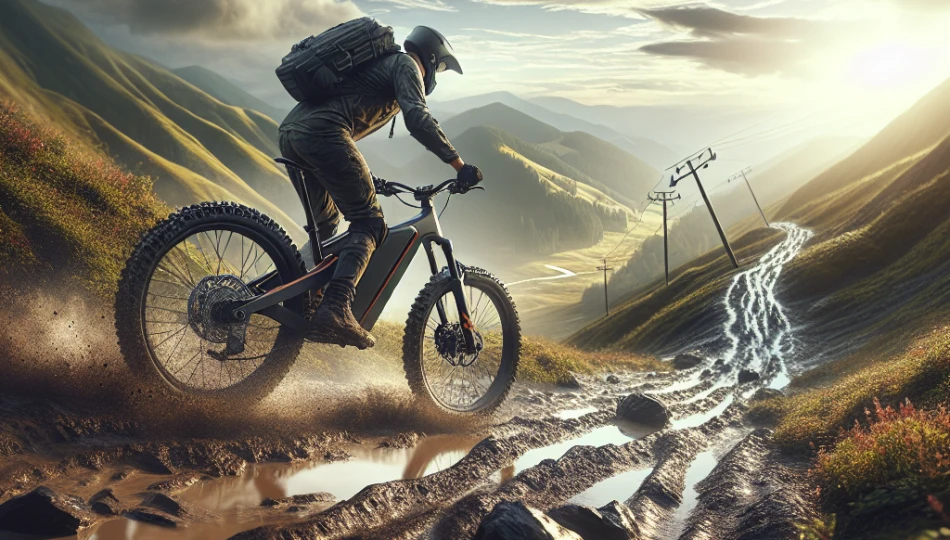
Electric bikes, or e-bikes, have surged in popularity in recent years, offering a fun and convenient way to navigate urban streets and nature trails alike. A significant question arises for adventure enthusiasts: Can electric bikes handle off-road terrains? The clear and concise answer is yes; electric bikes can effectively handle off-road terrains when equipped with the right features and specifications. In this article, we will explore the top seven reasons why electric bikes are well-suited for off-road adventures.
1. Robust Suspension Systems
One of the key features that make electric bikes suitable for off-road terrains is their advanced suspension systems. Off-road biking can involve tackling rough and uneven surfaces, which can lead to a jarring ride without proper suspension. E-bikes often come with high-quality front and rear suspension systems that absorb shocks and allow for enhanced stability.
- Absorption of Impacts: Suspension systems help absorb the bumps and jumps found in off-road conditions, providing a smoother ride.
- Improved Control: With effective suspension, riders can maintain better control of their bike while navigating tricky terrains.
- Zero Fatigue: A well-cushioned ride leads to less fatigue, allowing riders to go further and enjoy the experience without excessive strain.
Overall, an electric bike’s robust suspension enhances the riding experience, making it more enjoyable and less stressful, especially for longer excursions off the beaten path.
2. Powerful Motors and Batteries
Electric bikes are equipped with powerful motors and high-capacity batteries that give them an advantage when climbing steep inclines or traversing rugged paths. These motors can provide extra torque and power that is crucial for overcoming challenging terrains.
- Hill Climbing Capability: E-bikes can effortlessly tackle steep hills that would otherwise exhaust riders on traditional bicycles.
- Extended Range: The combination of robust batteries and efficient motors allows riders to cover large distances without worrying about running out of power.
- Variable Pedal Assistance: Riders can choose the level of assistance they need, allowing for a customizable riding experience based on terrain difficulty.
This blend of power and endurance makes electric bikes a suitable choice for those looking to explore mountainous routes or forest trails. They can handle rugged terrain with ease, making them ideal for adventurous spirits.
3. Durable Tires Designed for Traction
The tires on electric bikes made for off-road use are specifically designed to provide maximum traction and control, ensuring safety while navigating diverse surfaces. These tires have unique tread patterns and durability features that enhance performance in challenging conditions.
- Deep Tread Patterns: Off-road tires have deep treads that dig into loose soil or gravel, providing better grip.
- Puncture Resistance: E-bike tires are often reinforced to resist punctures, which is important in rough terrains.
- Wide Tires: Wider tires help distribute weight more evenly, reducing the chance of sinking in soft surfaces.
With the right tires, electric bikes can confidently traverse mud, sand, gravel, and rocky surfaces, making them an excellent choice for those who love to explore the great outdoors.
4. Enhanced Stability and Balance
Electric bikes are built with stability and balance in mind. Their design accommodates the added weight of the motor and battery, ensuring that riders maintain control even on rough trails. The positioning of components plays a vital role in achieving this stability.
- Lower Center of Gravity: Many e-bikes are designed with a lower center of gravity, helping to prevent tipping and offering more control on uneven ground.
- Wider Frames: E-bikes often come with wider frames for increased stability, particularly useful when navigating rocky or loose surfaces.
- Brake Stability: Electric bikes generally have powerful braking systems, providing confidence when speeding downhill or upon encountering sudden obstacles.
This enhanced stability allows riders to feel secure while facing unpredictable terrains, ultimately resulting in a more enjoyable ride.
5. Versatility in Riding Modes
Many electric bikes come equipped with various riding modes that can be tailored to the terrain and the rider’s skill level. This adaptability makes e-bikes more accessible for riders from all backgrounds and riding experiences.
- Eco Mode: For longer rides, riders can use the eco mode to save battery while still enjoying assistance on tricky terrains.
- Trail Mode: Perfect for off-road adventures, this mode provides more power and responsiveness for navigating through challenging areas.
- Throttle Mode: Riders can engage the throttle for instant acceleration, which is particularly useful when you need to quickly maneuver out of a tough spot.
The ability to switch between different modes depending on the riding conditions means that electric bikes can handle a wide range of off-road challenges, providing a tailored experience that suits each rider’s needs.
6. Lightweight and Portable Designs
Although electric bikes are generally heavier than traditional bicycles, many models are designed to be lightweight and portable, making them easier to transport and maneuver in off-road conditions. This feature is particularly valuable for adventurous riders who may need to carry their bikes over obstacles or load them into vehicles.
- Aluminum Frames: Many off-road e-bikes are constructed from lightweight aluminum, ensuring the bike is robust without being too heavy.
- Foldable Options: Some electric bikes have foldable designs, allowing for easy transportation and storage, especially in tight spaces.
- Removable Batteries: Detachable battery systems make it more convenient to carry the bike without being encumbered by battery weight.
This lightweight nature allows riders to tackle unpredictable situations, whether they are crossing streams or climbing over fallen logs, giving them an edge on their off-road journeys.
7. Eco-Friendly and Cost-Effective
Lastly, electric bikes are an eco-friendly alternative to traditional gas-powered off-road vehicles. They produce no emissions during operation and require less energy to charge than it takes to fuel a car or ATV. This environmentally conscious choice appeals to many who are concerned about their carbon footprint while still wanting to enjoy nature.
- Reduced Emissions: E-bikes help reduce road congestion and pollution, promoting cleaner air in outdoor spaces.
- Lower Operating Costs: Charging an e-bike is significantly cheaper than fueling up a gas-powered vehicle, making it an economical option for outdoor enthusiasts.
- Sustainable Transportation: E-bikes encourage outdoor activity in a sustainable manner, allowing riders to connect with nature without harming it.
Choosing an electric bike for off-road riding not only benefits the rider but also contributes positively to environmental preservation, making it a win-win situation for all.
Exploring Off-Road Trails with Electric Bikes
Off-road biking is an exhilarating way to connect with nature. The surge in popularity of e-bikes has opened doors to more riders, allowing everyone from seasoned cyclists to casual adventurers to explore diverse trails. With their unique capabilities, electric bikes enable riders to reach sublime vistas and captivating terrains that may have seemed daunting without the powered assistance of an e-bike.
Electric bikes provide the balance between exercise and enjoyment. They allow riders to tackle challenging trails without compromising on the thrill of biking. Riders are empowered to discover new routes and extend their journey times, making every outing an unforgettable experience. From the majestic Appalachian mountains to the sweeping deserts of the Southwest, e-bikes open new frontiers for off-road exploration.
Choosing the Right Electric Bike for Off-Road Adventures
When considering an electric bike for off-road riding, several factors should be taken into account. The right choice not only enhances the riding experience but also ensures safety and comfort.
Frame Geometry
The frame geometry significantly influences how well an e-bike performs off-road. Bikes designed with a slacker head angle and longer wheelbase provide improved stability, particularly when descending steep hills or navigating rough trails. Opting for a bike with a geometry suited to aggressive riding will enhance your grip and maneuverability.
Motor Placement
Motor placement is another critical element in off-road e-bikes. Mid-drive motors, located at the bike’s bottom bracket, improve weight distribution and handling, facilitating better traction and control over rough terrains. This positioning allows riders to feel more balanced, especially when cornering or climbing steep gradients.
Battery Size and Range
Battery size and range are also paramount when choosing an electric bike. A bike equipped with a robust battery will provide longer durations of pedal assistance, crucial for extensive off-road excursions. Riders should consider their typical routes and the terrain to determine the appropriate battery capacity for their needs.
Customization and Accessory Options
One of the greatest advantages of electric bikes is their customization potential. Riders can enhance performance and comfort through various accessories tailored for off-road biking.
Navigation Systems
Outdoor navigation is essential for off-road biking. Integrating GPS devices or smartphone mounts allows riders to explore unfamiliar trails without fear of losing their way. Many e-bikes also feature onboard navigation systems that display real-time information, making it easier to focus on the path ahead.
Protective Gear
Investing in protective gear is also vital for an enjoyable off-road experience. Quality helmets, gloves, and padded shorts improve safety and comfort during rugged rides. Moreover, additional features such as handlebar grips and saddle upgrades can enhance the riding experience, allowing for longer and more thrilling adventures.
Frequently Asked Questions
1. Are electric bikes legal for off-road trails?
The legality of electric bikes on off-road trails varies by region. Many areas allow e-bikes on multi-use trails, but restrictions may apply in specific parks or protected areas. It’s crucial for riders to check local regulations before embarking on their adventure to ensure compliance and avoid fines.
2. How do I maintain my electric bike for off-road use?
Maintenance is essential for the performance and longevity of your electric bike. Regular checks on tire pressure, battery health, and brake functionality should be routine. After off-road rides, clean the frame and drivetrain to remove dirt and debris, which can affect performance. Additionally, inspecting and lubricating moving parts will ensure a smooth ride during your next adventure.
3. What is the average range of an electric bike on off-road terrain?
The average range of an electric bike can vary significantly depending on the battery size, terrain, riding style, and assistance level utilized. Many e-bikes can travel between 20 to 60 miles on a fully charged battery. However, factors like steep inclines or rough trails may shorten this range, so riders should plan accordingly to avoid running out of power mid-ride.
4. Can I use an electric bike for commuting and off-roading?
Absolutely! Many electric bikes are versatile enough to serve both as commuting and off-road vehicles. Look for models that offer adjustable modes, so you can switch from a power mode suited for off-roading to a more energy-efficient mode for urban travel. This all-in-one capability allows riders to enjoy the functionality of an e-bike in a variety of scenarios.
5. What should I wear for off-road biking with an electric bike?
Proper attire is essential for off-road biking. Wear moisture-wicking fabrics that provide comfort and breathability during your ride. It’s also important to have sturdy shoes with good grip to navigate uneven terrains. Additionally, gloves and a helmet are non-negotiable for safety, helping protect against falls and potential injuries.
6. How fast can electric bikes go on off-road trails?
The speed of an electric bike largely depends on its motor output and local regulations. Most e-bikes feature a top speed of around 20 to 28 mph; however, riders often need to maintain lower speeds on technical off-road trails to navigate effectively and safely. Remember, adaptability is key to a safe and pleasurable riding experience.
Summing It Up
Electric bikes are redefining the way adventure enthusiasts explore off-road terrains. With their powerful motors, advanced suspension systems, and durable designs, they offer an exhilarating and accessible way to engage with nature. Whether you’re an experienced biker or a newcomer eager to explore the trails, e-bikes present an opportunity to enjoy outdoor activities without the fatigue and limitations associated with traditional bicycles.
From diverse terrains and the thrill of navigating steep inclines to the comfort of customized riding modes, electric bikes cater to the needs of everyone. The ability to adapt to various riding conditions enhances their versatility, ensuring joy and excitement on every ride. Moreover, with cost-effective and eco-friendly benefits, electric bikes promote a lifestyle that respects the environment while providing unmatched freedom and adventure.
For those seeking to enhance their outdoor experiences, embracing electric bikes for off-road adventures might just be the perfect choice. The trails are waiting, and the journey is yours to discover!