
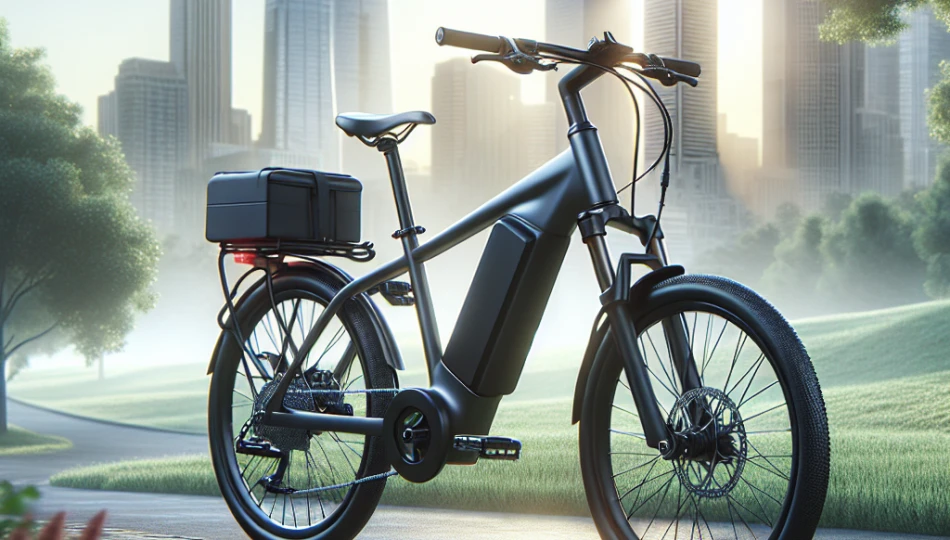
Electric bikes (e-bikes) are revolutionizing the way we commute, explore, and enjoy the great outdoors. With their growing popularity, many potential riders are curious about the unique aspects of operating these electric-powered bicycles. So, do electric bikes require special skills to ride? Yes, electric bikes do require some additional skills and knowledge compared to traditional bicycles, but they are generally user-friendly and accessible for most riders.
This article will explore seven essential skills that will enhance your riding experience on an e-bike. Whether you are a seasoned cyclist or a newcomer to the biking world, understanding these skills will help you navigate the roads, enhance your safety, and enjoy the many benefits that electric bikes offer.
1. Understanding E-Bike Controls
One of the first skills to master when riding an electric bike is understanding its specific controls. Unlike traditional bicycles, e-bikes come equipped with an array of features involving electrical components.
- Throttle control: Many e-bikes offer a throttle, which allows you to accelerate without pedaling. Knowing how to effectively use it can significantly enhance your riding experience.
- Pedal-assist levels: E-bikes usually provide multiple levels of pedal assist. Familiarize yourself with the different modes to optimize your riding efforts based on terrain, distance, and stamina.
- Braking systems: Some e-bikes come with hydraulic brakes or regenerative braking systems. Understanding how these work ensures better stopping control and safety.
Each e-bike model may vary in its specific controls, which makes it essential that you spend time with your bike’s manual or take it for a test ride to become comfortable with its features. This knowledge equips you to handle various situations during your ride effectively.
2. Adjusting To Different Speeds
Riding an electric bike often means experiencing higher speeds than you might be used to with a traditional bicycle. E-bikes can assist you in reaching speeds upwards of 20 mph (32 km/h) or more, depending on the model.
- Speed management: Learning to manage your speed, especially in urban areas or crowded environments, is crucial. Consistent practice can help you feel more confident in controlling your bike.
- Awareness of surroundings: At higher speeds, the level of awareness required increases. This includes being vigilant about pedestrians, road conditions, and drivers who may not expect cyclists to be traveling quickly.
Gradually adapting to the speed capabilities of your e-bike can not only enhance your safety but also enrich your overall riding experience. Consider starting in low-traffic areas before advancing to busier roads to build your comfort and confidence.
3. Mastering Hill Climbing
One of the standout features of electric bikes is their ability to assist with hill climbing. However, this feature still requires you to develop specific skills to make the most out of it.
- Proper gearing: Understanding how to switch gears effectively will help make climbing hills easier. Your e-bike’s assist functions can support you, but knowing when to change gears is vital.
- Pedaling technique: Using a smooth and consistent pedaling technique will maximize the bike’s performance. This results in a more efficient climb and reduces fatigue.
Practicing hill climbs in various conditions can dramatically improve your confidence. As you become more adept at managing the e-bike’s power assistance while climbing steep grades, you’ll find that hills become less of an obstacle and more of a challenge to enjoy.
4. Navigating Traffic Safely
Riding an electric bike in traffic introduces unique challenges that require heightened skills and awareness. Being adept at navigating traffic can ensure your safety and that of others on the road.
- Road positioning: Understanding how to position your bike on the roadway can affect both visibility and safety. Known as “taking the lane,” it is essential for increasing your presence to other motorists.
- Communication: Using hand signals to indicate your turns or lane changes can significantly improve your safety. Visibility is key, and clear communication helps prevent accidents.
Additionally, practice your observation skills—constantly scanning the roads for potential hazards or changes in traffic flow is essential. The better you can navigate these environments, the more enjoyable and safe your riding will be.
5. Maintaining Balance and Control
Riding any bike requires balance, but an electric bike may feel different due to the added weight of its components, such as the battery and motor. Developing balance and control is crucial, especially when maneuvering through corners or over rough terrain.
- Core stability: Strengthening your core can help improve your overall balance. Consider incorporating exercises that target core muscles to build the necessary strength.
- Handling techniques: Practice cornering and sudden stops to enhance your control. Learning how to ride with your body—shifting your weight appropriately—can help maintain stability.
Improving your balance on an e-bike not only enhances your riding pleasure but can prevent potential accidents, particularly in challenging riding conditions. Taking the time to practice these techniques will significantly benefit your handling skills.
6. Understanding Battery Management
Another significant aspect of riding an electric bike involves understanding the battery management system. It’s crucial to grasp how to maximize battery life to ensure you can make the most of your rides.
- Charging best practices: Knowing when and how often to charge your battery can extend its life. Always refer to your manufacturer’s guidelines for optimal charging routines.
- Energy-efficient riding: Learning how to ride in a manner that conserves battery life can serve you well. Utilizing lower assist levels when on flat terrain can make a significant difference in how far you can ride.
A solid understanding of your e-bike’s battery capabilities, including awareness of how it influences your total range, can help you plan rides better, especially for longer distance trips. Regular checks on your battery status can prevent unexpected issues while out on the road.
7. Emergency Response Skills
Lastly, being prepared for emergencies is an important skill that every electric bike rider should cultivate. Knowing how to respond to various situations will help you ride more confidently and safely.
- Basic first aid knowledge: Familiarizing yourself with basic first aid techniques can be invaluable should an accident occur. Carrying a first aid kit is also recommended.
- Biking essentials: Always keep necessities like a multi-tool, patch kit, and pump on hand. Being prepared for flat tires or minor mechanical issues can save you from being stranded.
Practicing emergency maneuvers, such as rapid stopping or swerving to avoid obstacles, can also enhance your reflexes, making them second nature. Developing these skills can be the difference between a close call and a serious accident.
Understanding the Types of Electric Bikes
Electric bikes come in various types, each designed for specific riding styles and terrains. Understanding the differences between these types can help riders select the appropriate e-bike for their needs and enhance their overall experience.
Classifications of E-Bikes
E-bikes are typically divided into three main classifications, each with its characteristics:
- Class 1: These are pedal-assist bikes that provide assistance only while the rider is pedaling. They usually have a maximum speed of 20 mph (32 km/h) and require no license or registration. This class of e-bikes is ideal for fitness enthusiasts and commuters who still want to engage in pedaling while receiving some assistance.
- Class 2: These bikes feature both pedal-assist and a throttle. Like class 1, they are limited to a maximum speed of 20 mph. Class 2 e-bikes are perfect for those who may not want to pedal continuously, such as older riders or anyone with mobility challenges.
- Class 3: These are high-speed pedal-assist bikes that can assist up to speeds of 28 mph (45 km/h). Riders must wear a helmet, and with their higher speeds, they are often used for commuting and longer distances. Class 3 bikes are an excellent option for commuters looking to cover greater distances quickly.
By knowing which class you are interested in, you can tailor your riding experience to various conditions, making your e-bike rides even more enjoyable.
Choosing the Right E-Bike for Your Needs
When selecting an e-bike, consider various factors including your riding style, terrain, and personal preferences.
- Terrain: If you plan to ride primarily on city roads or paved paths, a commuter or hybrid e-bike may be suitable. For off-road adventures, a mountain e-bike designed for rugged paths would be a better choice. Each terrain type dictates the design and features necessary for optimal performance.
- Riding range: Think about how far you plan to ride on a single charge. Battery capacity varies greatly among e-bikes, impacting the distance you can cover. If you often ride long distances, look for bikes with higher-capacity batteries.
Choosing the right type of e-bike will make a noticeable difference in terms of comfort and performance, leading to a more satisfying experience overall.
Frequently Asked Questions
1. Do I need a special license to ride an electric bike?
In most places, you do not need a special license to ride an electric bike. However, the regulations can vary by location and by the class of the e-bike. It’s essential to check your local laws regarding e-bikes to ensure compliance, particularly for Class 3 bikes, which may have specific licensing or age restrictions. Generally, Class 1 and 2 bikes can be treated similarly to traditional bicycles.
2. How do I maintain my electric bike?
Maintaining your electric bike involves routine checks and care to ensure its longevity and performance:
- Tires: Regularly check the tire pressure and tread wear. Well-maintained tires enhance the safety and comfort of your rides.
- Battery Care: Follow the manufacturer’s guidelines regarding charging and discharging methods, as proper battery management is crucial for battery health.
Also, perform routine maintenance on the chain and brakes, similar to traditional bicycles, to ensure all components function smoothly. A regular maintenance schedule can prevent issues before they become more serious and costly.
3. Are electric bikes heavy?
Electric bikes are generally heavier than traditional bicycles due to the added weight of the battery and motor. On average, e-bikes can weigh between 40 to 80 pounds (18 to 36 kg). While this weight can be challenging for some riders, modern designs have focused on balancing this weight distribution, so it feels more manageable while riding. Additionally, many e-bikes come with features that aid in propulsion, making it easier for the rider to handle the bike even with its added weight.
4. Can I ride an electric bike in the rain?
Most electric bikes are designed to withstand light rain, but it’s important to check the manufacturer’s specifications for water resistance ratings. While the electrical components are usually sealed to protect against moisture, it’s recommended to avoid heavy downpours or prolonged exposure to wet conditions. Consider using fenders to deflect water and keep your components cleaner and more effective in rainy conditions.
5. What should I wear while riding an electric bike?
While riding any bike, including e-bikes, safety gear is essential. Always wear a properly fitted helmet to protect your head in case of falls or collisions. Additionally, consider wearing:
- Reflective Clothing: Helps improve visibility, especially during low-light conditions.
- Gloves and appropriate shoes: For increased grip and protection during longer rides.
Proper attire enhances your safety and comfort while riding, contributing to an enjoyable cycling experience.
Summing It Up
Riding an electric bike can be an incredibly rewarding experience, offering environmental benefits, convenience, and enjoyment. However, mastering specific skills is crucial for maximizing both safety and pleasure while on your e-bike. Understanding your specific model’s controls, adapting to various speeds, and learning how to manage battery life can transform your ride.
As you develop your skills in navigating traffic, hill climbing, and maintaining balance on your e-bike, you’ll find that your confidence grows. Moreover, knowledge of emergency response and bike type selection will empower you to make informed decisions that suit your riding style and environment.
Ultimately, embracing these essential skills can take your e-biking experience to the next level, allowing you to enjoy every ride to the fullest. As you become a more adept rider, you’ll not only reap the health benefits of cycling but also discover the joys of exploring new places and enjoying the great outdoors on an electric bike.