
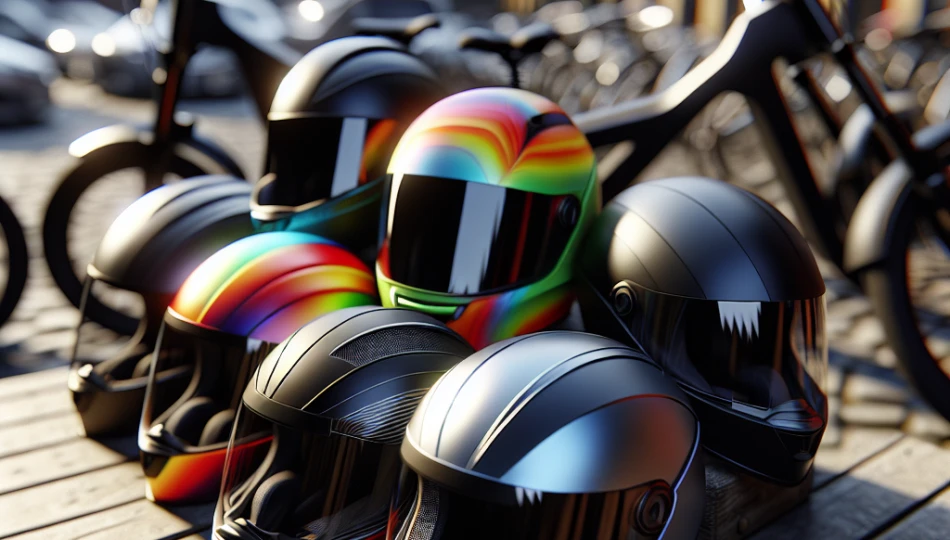
With the increasing popularity of electric bikes in the UK, understanding the legal and safety aspects associated with their use is crucial. Riders often wonder about the necessary regulations regarding helmets. What are the helmet requirements for electric bike riders in the UK? In short, while there is currently no legal requirement for electric bike riders to wear helmets, it is highly recommended for safety purposes. This article will delve into the helmet requirements for electric bike riders, outlining key considerations to keep in mind when riding.
1. Understanding the Classification of Electric Bikes
Before discussing helmet requirements, it’s essential to understand the classification of electric bikes in the UK, as regulations can vary based on the type. Electric bikes fall into two primary categories: ‘pedelecs’ and ‘speed pedelecs’ or ‘speed e-bikes.’
- Pedelecs: These are the most common type of electric bikes, equipped with a motor that assists the rider while pedaling. The motor cuts off at 15.5 mph (25 km/h).
- Speed Pedelecs: Also known as speed e-bikes, these assist up to 28 mph (45 km/h). They are classified as light electric vehicles, subject to more stringent regulations.
Each category has specific implications for helmet use and other safety regulations. While electric bikes are popular due to their convenience and eco-friendliness, understanding their classification helps establish appropriate safety equipment, like helmets.
2. Current Legal Requirements Regarding Helmets
In the UK, the law does not mandate electric bike riders to wear a helmet. Unlike in many other countries where helmet laws are strictly enforced, the UK adopts a different approach to cycling safety. This lack of legal requirement applies to both pedelecs and speed pedelecs.
However, local regulations may still exist in certain areas, so it’s advisable to check the specific laws in various jurisdictions. Despite the absence of a legal obligation, many cycling advocacy groups promote helmet use to prevent serious injuries in accidents. Understanding these guidelines can help individuals make informed decisions about their safety.
3. The Benefits of Wearing a Helmet
Although not legally required, wearing a helmet while riding an electric bike provides numerous advantages that cannot be overlooked. First and foremost, helmets significantly reduce head injuries in case of accidents, as they are designed to absorb impact energy and protect the head.
- Prevention of Serious Injuries: Helmets can dramatically decrease the severity of injuries sustained during falls or collisions.
- Bicycle Safety Etiquette: Wearing a helmet promotes safe riding practices and sets an example for fellow cyclists.
Research indicates that many electric bike accidents occur at relatively low speeds, yet the potential for serious injury remains. By wearing a helmet, riders can enjoy peace of mind, knowing they are taking steps to protect themselves while enjoying their ride.
4. Choosing the Right Type of Helmet
Selecting an appropriate helmet is crucial for effective head protection. With many styles and features available, riders need to consider several factors when making their choice:
- Fit: A properly fitting helmet should feel snug without being uncomfortable. It should sit level on the head and not wobble when moved.
- Certification: Look for helmets that comply with safety standards, such as the British Standard (BSEN 1078) or the American National Standards Institute (ANSI) guidelines.
Additionally, electric bike riders should consider the following factors:
- Weight: Lighter helmets often provide better comfort for longer rides.
- Ventilation: Good airflow can keep riders cool, especially during warm weather.
Investing in a high-quality helmet is a crucial step towards maximizing safety while riding electric bikes. Whether riders prioritize comfort, style, or aerodynamics, there are options available to meet their needs.
5. Wearing a Helmet Outside of Legal Requirements
While the lack of legal requirements may deter some from wearing a helmet, a cultural shift is gradually occurring toward prioritizing personal safety and responsibility. More riders are choosing to wear helmets regardless of the law due to personal choice and social influences.
- Increased Awareness: Campaigns promoting cycling safety emphasize the importance of helmet use, influencing more riders to adopt this practice.
- Insurance Considerations: Some insurance policies may have stipulations regarding helmet use during cycling accidents.
Additionally, many electric bike rental companies and cycling groups encourage helmet usage and even provide helmets as part of the rental package. This trend not only improves individual safety but also fosters a community culture that values responsible cycling practices.
6. The Role of Education and Training in Helmet Use
Education plays a vital role in promoting helmet use among electric bike riders. Understanding the dynamics of riding, the risks involved, and how to manage them can lead to better decision-making when it comes to safety gear. Many cycling organizations offer programs that address helmet use within the broader context of cycling safety.
- Safety Workshops: Workshops can equip riders with knowledge about traffic laws, riding techniques, and the importance of protective gear.
- Community Initiatives: Programs that partner with schools or local governments can raise awareness about the benefits of helmet use.
Through educational initiatives, riders can learn firsthand about the risks of cycling and the advantages of protecting themselves with a helmet. These programs also help to destigmatize helmet use by fostering a community of knowledgeable and safety-conscious riders.
7. Promoting a Culture of Helmet Use
Finally, promoting a culture of helmet use is paramount in advancing cycling safety across the UK. Riders can encourage one another to adopt safer practices by openly discussing the importance of wearing helmets and creating supportive environments.
- Community Rides: Organizing group rides with a designated focus on safety can help normalize helmet use.
- Social Media Campaigns: Sharing personal stories and successes can inspire others to prioritize safety.
Cycling safety is not only about individual responsibility but also about community influence. Riders can work together to build a culture that values and encourages helmet usage for everyone, regardless of the existing legal obligations.
The Importance of Helmet Maintenance
Once you’ve invested in a quality helmet, understanding the importance of its maintenance is crucial. Over time, helmets can experience wear and tear, which can compromise their ability to provide adequate protection during an accident. Regularly checking the condition of your helmet ensures it remains effective and safe to use.
- Inspect for Damage: After any significant impact or crash, inspect your helmet for cracks and dents. Even if the damage isn’t visible, the helmet may not offer the same level of protection it once did. If you notice any signs of wear, it’s wise to replace the helmet.
- Cleaning: Keep your helmet clean to maintain its appearance and hygiene. Use mild soap and water, and avoid harsh chemicals that may degrade the materials. Attention to hygiene not only ensures comfort but also prolongs the lifespan of the helmet.
Storage also plays a vital role in maintaining your helmet’s integrity. Always store it in a cool and dry place, away from direct sunlight, which can weaken the materials over time. By following these simple maintenance tips, riders can maximize the protection their helmets offer.
Helmet Innovations and Technology
Helmet technology has advanced considerably over the years, with many new safety features enhancing rider protection. Evolving designs, materials, and technologies aim to improve both safety and comfort for electric bike riders.
- Safety Features: Many modern helmets come equipped with MIPS (Multi-directional Impact Protection System) technology, which helps reduce rotational forces that can occur during an impact. This system is designed to enhance brain protection and significantly lowers the risk of concussions.
- Smart Helmets: Innovations like smart helmets are gaining popularity. These models may include built-in lights, Bluetooth technology for phone connectivity, and even speakers. By incorporating technological advancements, these helmets not only increase visibility but also allow riders to stay connected while ensuring they maintain road awareness.
The continual evolution of helmet technology highlights the industry’s commitment to providing riders with safer and more efficient gear. Staying informed about these advancements can help riders make better choices when selecting helmets for their electric bike rides.
Influence of Local Cycling Communities
Local cycling communities play an essential role in promoting helmet use among electric bike riders. These groups often cultivate environments that encourage safety and responsible riding practices while enhancing the overall cycling experience.
- Group Rides: Participating in organized rides can help riders feel more connected to their peers, thereby fostering a strong safety-first mentality. When riders see others wearing helmets, it reinforces safety norms and makes them more likely to wear one themselves.
- Educational Workshops: Many community cycling organizations host workshops aimed explicitly at educating riders about safety gear, including helmets. These events often include demonstrations on proper helmet fitting and maintenance, leading to a more informed group of cyclists.
By participating actively in local cycling communities, riders not only enhance their own safety practices but also contribute to building a broader culture of helmet use within the community.
Frequently Asked Questions
1. Are there any age restrictions for helmet use in the UK?
While there is no legal requirement for helmet use in the UK for adults, children under the age of 16 are encouraged to wear helmets. Some local authorities or cycling clubs have more stringent guidelines, recommending helmets for younger riders. It’s always a good idea to verify local regulations and observe safety practices, especially for younger riders.
2. Can wearing a helmet affect my visibility on the road?
The design of helmets has improved to account for visibility concerns. Many helmets feature reflective materials, bright colors, and even built-in lights to enhance visibility. However, riders should still be mindful of their surrounding environment. Proper use of additional lights and wearing bright clothing can further improve visibility while riding.
3. What should I do if my helmet is involved in an accident?
If your helmet has been involved in an accident, it is crucial to replace it immediately, regardless of whether there are visible signs of damage. Helmets are designed to absorb impact, and even minor accidents can compromise their protective capabilities. Always prioritize safety and invest in a new helmet to ensure optimal protection.
4. How often should I replace my helmet?
Most manufacturers recommend replacing your helmet every three to five years, depending on usage and perceived wear. If you frequently ride in challenging conditions or sustain an impact, replace your helmet sooner. Regular inspections for signs of wear and the age of the helmet are essential to maintaining riding safety.
5. Are there any subsidies or funding for helmet purchases?
Some local councils and organizations offer funding or subsidies for children’s helmets or community helmet-distribution initiatives. Riders should check with local cycling groups, schools, or community initiatives that may provide resources or financial assistance for purchasing helmets. This effort plays a significant role in promoting overall cycling safety in communities.
6. Can I adjust my helmet for a better fit?
Yes, most modern helmets come equipped with adjustable straps and fit systems that allow you to customize the fit. This ensures that the helmet sits snugly on your head without causing discomfort. The goal is to have a proper fit without compromising the helmet’s position or safety features. Seek guidance on adjusting your helmet at local bike shops or community workshops for the best practices.
7. Is a helmet effective in all types of accidents?
While helmets are effective for preventing head injuries in various cycling-related accidents, no safety gear can guarantee complete protection. Helmets are most beneficial in common types of accidents, such as falls and collisions. However, factors like the speed of the impact and the nature of the accident can influence their effectiveness. Riders need to combine helmet usage with other safety measures, such as proper cycling skills, obeying traffic laws, and being aware of their surroundings.
Summing It Up
The discussion surrounding helmet use for electric bike riders in the UK underscores the importance of safety in this growing mode of transportation. While there are no strict legal requirements regarding helmet use, wearing a helmet is an essential practice that can significantly reduce the risk and severity of head injuries during accidents. Understanding the various types available, maintenance needs, and advancements in helmet technology can empower riders to make informed choices that prioritize their safety.
Cultivating a culture of safety within cycling communities, along with educating riders about best practices, lays the groundwork for a more responsible and safety-conscious riding environment. Individual riders can lead by example, advocating for helmet usage and fostering a sense of personal responsibility within their networks. By committing to using helmets while riding electric bikes, cyclists can enjoy their rides with peace of mind, contributing to the overall safety of all road users.